Stay in Funchal's finest holiday apartments, and step straight into Portugal's island sanctuary.
Why Madeira?
Known as the Island of Eternal Spring, Madeira offers lush mountains, levada trails, volcanic beaches and a food-and-wine culture as warm as its climate.
Rising from the Atlantic 600 km off the coast of Morocco, Madeira is a volcanic archipelago that belongs to Portugal. The main island covers just 741 km² yet packs an extraordinary range of microclimates, from subtropical coastline to misty peaks above 1,800 m. Average temperatures stay between 16 °C in winter and 25 °C in summer, earning it the nickname 'Island of Eternal Spring.'
The UNESCO-listed Laurisilva forest, one of the largest surviving laurel forests on Earth, dates back over 20 million years. Combined with dramatic sea cliffs like Cabo Girão (580 m, Europe's second highest), terraced vineyards, and colourful fishing villages, the island offers a landscape that feels both ancient and alive.
Funchal, the capital, is a cosmopolitan harbour city with year-round direct flights from most European capitals. Its Old Town is packed with street art, markets, and Michelin-recognised restaurants, while the surrounding hills are laced with levadas, historic irrigation channels turned into over 2,500 km of walking trails.
Natural landscapes
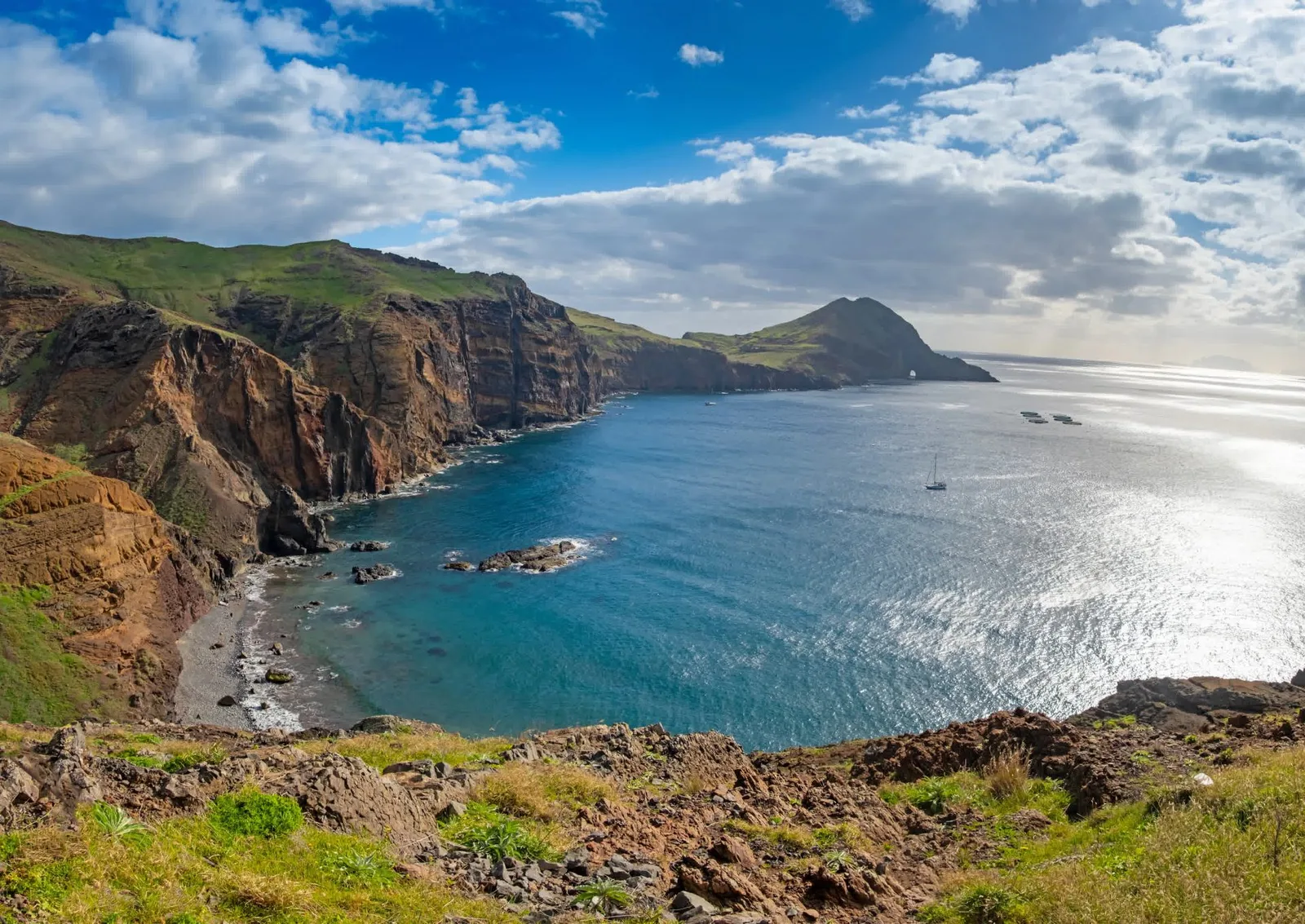
Madeira's terrain is strikingly vertical: deep valleys carved by ancient rivers, basalt columns sculpted by the sea, and peaks like Pico Ruivo (1,862 m) that pierce the clouds. The island's laurisilva, a UNESCO World Heritage Site since 1999, shelters endemic species found nowhere else, including the Madeira long-toed pigeon and the Madeira orchid. Photographers and nature lovers return season after season to capture the ever-changing interplay of light, mist, and green.
Explore dramatic cliffs, volcanic peaks & ancient laurel forests that captivate the senses and inspire adventure.
Outdoor adventure
The island's network of levadas, hand-carved water channels dating to the 15th century, doubles as one of Europe's most unique trail systems, with routes for every fitness level. Beyond walking, Madeira offers canyoning in Ribeira das Cales, coasteering along the north shore, paragliding above Arco de São Jorge, and year-round mountain biking. The island hosted the Ultra Madeira trail race and regularly features in global adventure-travel rankings.
Engage in levada walks and canyoning that showcase Madeira's unique geography and rich biodiversity.
Oceanic treasures
Madeira sits along deep-ocean migration routes, making it one of Europe's top cetacean-watching destinations, with over 20 species of whales and dolphins recorded in its waters. The Garajau Natural Reserve protects pristine underwater habitats with visibility up to 30 metres, attracting divers to explore lava formations, manta rays, and loggerhead turtles. Natural volcanic pools at Porto Moniz and Doca do Cavacas offer swimmers a dramatic Atlantic bathing experience.
Spot whales and dolphins on open-sea excursions or scuba dive through reefs in Madeira's crystal-clear waters.
Gastronomy & wine
Madeira Wine has been world-famous since the 17th century, and it was even used to toast American independence in 1776. Today, the island's food scene blends Atlantic freshness with centuries of tradition: black-scabbard fish with banana, lapas grelhadas (grilled limpets), bolo do caco (garlic bread baked on basalt), and poncha made from local sugarcane rum. The Mercado dos Lavradores in Funchal is a sensory feast of exotic fruits, spices, and flowers. Several restaurants now hold Michelin stars or recommendations, cementing Madeira's place on the European culinary map.
Savor the island's famous cuisine, including Madeira Wine, Poncha, and heartwarming traditional dishes.
Live the island
Experience the vibrant culture and breathtaking landscapes of Madeira. Discover activities that connect you to the island's natural beauty.
Levada Walks
On Madeira, levada walks trace the island's historic irrigation channels through laurel forests, terraced hillsides, and misty valleys, turning a simple stroll into a journey through living heritage. The magic lies in their gentle, water-led pathways that reveal viewpoints and hidden corners most travelers would never reach by road.
Hike ancient irrigation paths through emerald valleys.
As you follow the narrow canals, expect a tapestry of scenery, lush tunnels of greenery, waterfalls spilling into ravines, and sudden clearings with Atlantic panoramas. Routes range from easy, family-friendly paths to more adventurous sections with rock-cut trails and occasional tunnels, often accompanied by birdsong and the soft rush of flowing water.
Start early to enjoy cooler temperatures, quieter trails, and the best light for photos, especially on popular routes like Caldeirão Verde or the 25 Fontes area. Bring a light rain jacket and a headlamp for tunnel sections, and consider a guided walk if you'd like transport logistics handled and local insights woven into the route.
Whale & dolphin watching
Off Madeira's dramatic Atlantic coastline, whale and dolphin watching feels like stepping into a living seascape where deep ocean waters meet volcanic cliffs. The island's position along migratory routes, paired with nutrient-rich currents, makes sightings remarkably frequent and wonderfully varied. It's a rare chance to witness wild marine life in a setting that's as cinematic as it is serene.
Sail the Atlantic and meet its gentle giants.
Most excursions depart from Funchal or nearby marinas aboard a catamaran, RIB, or traditional wooden boat, with trained spotters scanning the horizon and sharing insights along the way. Expect the thrill of dolphins riding the bow wave, the hush that falls when a whale surfaces, and moments of pure stillness between encounters. Many trips also include time to admire the coast from the water, with sweeping views of Madeira's cliffs and coves.
For the most rewarding experience, choose a responsible operator that follows strict wildlife guidelines and prioritizes respectful distances. Early morning departures often bring calmer seas and clearer visibility, while spring is a standout season for baleen whales migrating past the island. Pack a light jacket, reef-safe sunscreen, and a small dose of seasickness prevention if you're sensitive to motion.
Cabo Girão Skywalk
Perched high above the Atlantic on one of Europe's tallest sea cliffs, the Cabo Girão Skywalk is a thrilling showcase of Madeira's dramatic coastline. Its glass-floored platform invites you to step into the sky, where sheer rock faces plunge to terraced vineyards and the ocean shimmers far below. Few places capture the island's bold beauty so instantly and so memorably.
Step onto Europe's highest sea-cliff glass platform.
Visitors arrive at a well-maintained viewpoint and walk out onto the transparent deck, where the sensation of floating above the cliffs is both exhilarating and surprisingly serene. On clear days, panoramic views stretch across Câmara de Lobos, Funchal's bay, and the patchwork of cultivated terraces clinging to the slopes. Take your time, there are plenty of photo angles, and each step reveals new layers of sea, sky, and stone.
For the clearest vistas and the most comfortable experience, visit in the morning or late afternoon when the light is softer and the air tends to be calmer. If you'd like a quieter moment on the glass, aim for weekdays and avoid peak midday tour times. Bring a light layer, as the breeze at 580 meters can feel cooler than in Funchal.
Wine & poncha tasting
In Madeira, wine and poncha are more than drinks, they're a window into the island's sunlit terraces, maritime history, and warmhearted way of welcoming guests. From the amber glow of aged Madeira wine to the citrusy lift of poncha, each sip carries a sense of place that feels both refined and wonderfully local.
Sample world-famous Madeira wine and local punch.
Visitors can expect a guided tasting that moves from elegant, nutty Madeira styles to the lively ritual of poncha, traditionally mixed with aguardente de cana, honey, and fresh lemon. Many experiences include a behind-the-scenes look at cellars or small bars, along with stories of grape varieties, ageing methods, and the island's beloved "poncha stirrer" technique.
For the most atmospheric outing, plan your tasting in the late afternoon, when coastal light softens and it's easy to linger over conversation. Take it slow, pair your drinks with local bites when offered, and consider arranging transport if you're sampling several pours, Madeira's winding roads deserve your full attention.
Jardim Botânico
Perched on the hillside above Funchal, the Jardim Botânico (Botanical Garden) is a vibrant showcase of over 2,000 exotic plant species gathered from every corner of the globe. Established in 1960 on the grounds of the former Quinta do Bom Sucesso estate, the garden cascades down terraced slopes with sweeping views over Funchal's red rooftops and the Atlantic horizon beyond.
Explore Funchal's stunning tropical botanical garden.
Wander through themed sections dedicated to succulents, tropical fruits, medicinal herbs, and indigenous Madeiran flora, including rare species from the island's ancient laurel forest. The garden's bird park adds another dimension, with parrots, cockatoos, and other colourful species providing a lively soundtrack to your stroll among orchids, proteas, and towering palms.
Visit in the morning for the softest light and fewer crowds, and allow at least ninety minutes to explore at a relaxed pace. The garden is easily reached by city bus or the Monte cable car, which itself offers spectacular aerial views. Bring comfortable shoes, the terraced paths involve steps, and a camera, because every turn reveals a new composition of colour and landscape.
Câmara de Lobos
Just fifteen minutes west of Funchal, Câmara de Lobos is a picture-perfect fishing village that captivated Winston Churchill, who set up his easel here to paint the harbour in 1950. Today, brightly coloured boats still bob in the sheltered bay, fishermen mend nets on the quayside, and the dramatic cliffs of Cabo Girão rise behind the village like a natural amphitheatre.
Discover the charming fishing village painted by Churchill.
Stroll through narrow cobblestone streets lined with pastel-coloured houses, stop at a harbourside bar for a glass of poncha, and watch the daily catch of espada (black scabbard fish) being brought ashore. The village's restaurants are some of the best on the island for fresh seafood, and the recently revitalised waterfront promenade connects the harbour to scenic coastal viewpoints.
For the most photogenic experience, visit in the late afternoon when golden light bathes the harbour and the fishing boats return. Walk up to the Miradouro da Torre for panoramic views over the bay and Cabo Girão. The village is well connected by public bus from Funchal, making it an easy half-day excursion that pairs perfectly with a visit to the nearby vineyards.
Porto Moniz
On Madeira's wild north-western tip, Porto Moniz is famous for its natural lava pools, volcanic rock formations carved by centuries of Atlantic waves and filled with crystal-clear seawater. These sheltered basins offer a unique swimming experience where you float in calm, warm water while ocean swells crash dramatically against the outer rocks just metres away.
Swim in natural volcanic rock pools on the north coast.
The village itself is a peaceful contrast to Funchal's bustle, with a handful of seafood restaurants, a small aquarium built into the rocky coastline, and walking trails that follow the rugged shoreline. The drive from Funchal is an experience in itself, winding through dramatic mountain passes, eucalyptus forests, and terraced hillsides with stops at viewpoints that reveal the island's most untamed landscapes.
Plan your visit for a sunny morning when the pools are at their warmest and the light reveals every shade of turquoise. Bring water shoes for comfort on the volcanic rock, and arrive early in summer to secure a good spot. After swimming, explore the coastal path toward Seixal or enjoy a leisurely lunch of limpets and grilled fish at one of the village's waterfront restaurants.
Santana
Nestled on Madeira's lush northern coast, Santana is instantly recognisable for its casas de colmo, charming triangular thatched houses with brightly painted facades of red, blue, and yellow. These A-frame dwellings, once common across the island, date back centuries and served as homes for farming families. Today, a cluster of restored examples in the town centre stands as a living museum of Madeiran rural heritage.
Visit the iconic triangular thatched houses of Madeira.
Beyond the famous houses, Santana is the gateway to some of Madeira's most spectacular hiking, including trails into the Queimadas forest park and the dramatic Caldeirão Verde levada walk through tunnels and waterfalls. The surrounding countryside is a patchwork of terraced fields, fruit orchards, and dense laurel forest that earned the region UNESCO Biosphere Reserve status.
Allow a full morning or afternoon to explore the village and its surroundings. Visit the Santana Theme Park for an interactive overview of local traditions, or drive the scenic route through Faial to enjoy coastal viewpoints along the way. The journey from Funchal takes around 40 minutes and passes through some of the island's most verdant interior landscapes, pack a picnic and make a day of it.
Where city meets sea
Bask in vibrant Funchal, a city where 16th-century lanes open onto the Lido promenade, the island's longest oceanfront walk. Wander the colourful Mercado dos Lavradores, glide by cable car to Monte for sweeping views, then stroll seaside paths toward Praia Formosa at sunset. Cafés, marinas and subtropical gardens lie just beyond your doorstep.
Funchal is the vibrant capital of Madeira Island, home to around 110,000 residents and the heart of everything the island has to offer. Founded in the 15th century by Portuguese explorers, the city blends centuries of history with a modern, cosmopolitan energy. Its Old Town, known as Zona Velha, is famous for the colourful painted doors of Rua de Santa Maria, while the elegant Avenida Arriaga leads past the Sé Cathedral and the São Lourenço Palace.
The city's subtropical climate delivers mild temperatures year-round, with averages between 17 °C in winter and 25 °C in summer, making it a popular destination for travellers seeking sunshine without extreme heat. Funchal's south-facing amphitheatre-shaped bay shelters the harbour from northerly winds and creates a unique microclimate where banana plantations, jacaranda trees and exotic flowers thrive alongside urban life.
From the bustling Mercado dos Lavradores, where vendors sell passion fruit, custard apples and fresh tuna, to the panoramic Monte Palace Tropical Garden reached by cable car, Funchal offers experiences for every type of visitor. The city is also the starting point for many of Madeira's famous levada walks, and its marina serves as a departure point for dolphin and whale watching excursions along the island's coast.
- Historic charm
- Seaside promenade & beaches
- Dining & nightlife
- Just 25 min from Cristiano Ronaldo airport
Travel suggestions & inspiration
Explore the beauty of Madeira through our insights.
How to get around Madeira in 2026: the Aerobus and taxis from the airport, whether you need a car, car hire and driving tips, parking and trail fees, the renumbered SIGA buses and the ferry to Porto Santo.
Miguel Filipe · 2026-10-12T18:45:17+00:00 · 14 min read
Read more →
A half day in Monte above Funchal: the cable car up, Monte Palace Tropical Garden, the church and the toboggan ride down, with 2026 prices, opening hours and how to get back from Livramento.
Miguel Filipe · 2026-10-12T17:10:53+00:00 · 16 min read
Read more →
Madeira has few sand beaches and a lot of sea: ten places to swim, from Funchal's bathing complexes to the natural pools of Porto Moniz and the long golden beach on Porto Santo, with prices, lifeguards and the honest catches.
Pedro Silva · 2026-10-11T15:55:37+00:00 · 12 min read
Read more →
When to go to Madeira, honestly: the weather in Funchal month by month from the official normals, the sea, the mountains, the festivals and the months with the best balance of weather and price.
Catarina Gomes · 2026-10-10T21:58:35+00:00 · 17 min read
Read more →
Madeira in December, honestly: the weather by the sea and in the mountains, the Christmas lights and the Noite do Mercado, the New Year's Eve fireworks over Funchal and how to get through the night.
Catarina Gomes · 2026-10-10T08:58:30+00:00 · 22 min read
Read more →
From the painted doors of Funchal's old town to sunrise above the clouds at Pico do Arieiro, this is the complete guide to Madeira's top sights, with verified 2026 prices, the new trail fee rules and a realistic 3-day itinerary.
Miguel Filipe · 2026-08-05T11:00:00+00:00 · 27 min read
Read more →
What Madeira is really like in November: honest weather numbers, sea temperature, what still works (almost everything), and why it beats staying in a European winter.
Catarina Gomes · 2026-08-03T21:49:00+00:00 · 22 min read
Read more →
Everything the Lido quarter of Funchal offers: the famous ocean bathing complex, the seafront promenade, Praia Formosa, where to eat, and why it's the best base for sun in the city.
Miguel Filipe · 2026-08-03T21:37:00+00:00 · 21 min read
Read more →
What is Quinta da Falésia? A guide to Funchal's clifftop seafront quinta in the Lido quarter: the gardens, the ocean views, the neighbourhood, and how to stay there.
Catarina Gomes · 2026-08-03T18:37:00+00:00 · 4 min read
Read more →
Funchal old town or the Lido seafront? A local host compares Madeira's areas honestly: where to base yourself for hiking, winter stays, first visits and travelling without a car.
Miguel Filipe · 2026-08-01T20:00:00+00:00 · 20 min read
Read more →
The ten viewpoints in Madeira worth the drive, with the hour to visit each one, how to reach them, and an honest note on which to skip when time is short.
Pedro Silva · 2026-03-08T21:27:00+00:00 · 16 min read
Read more →
Where to eat in Funchal, from the market and the old town tascas to Michelin tables and the everyday cafés, with what each dish is, what it costs and when to go.
Maria Santos · 2026-03-08T21:26:00+00:00 · 20 min read
Read more →