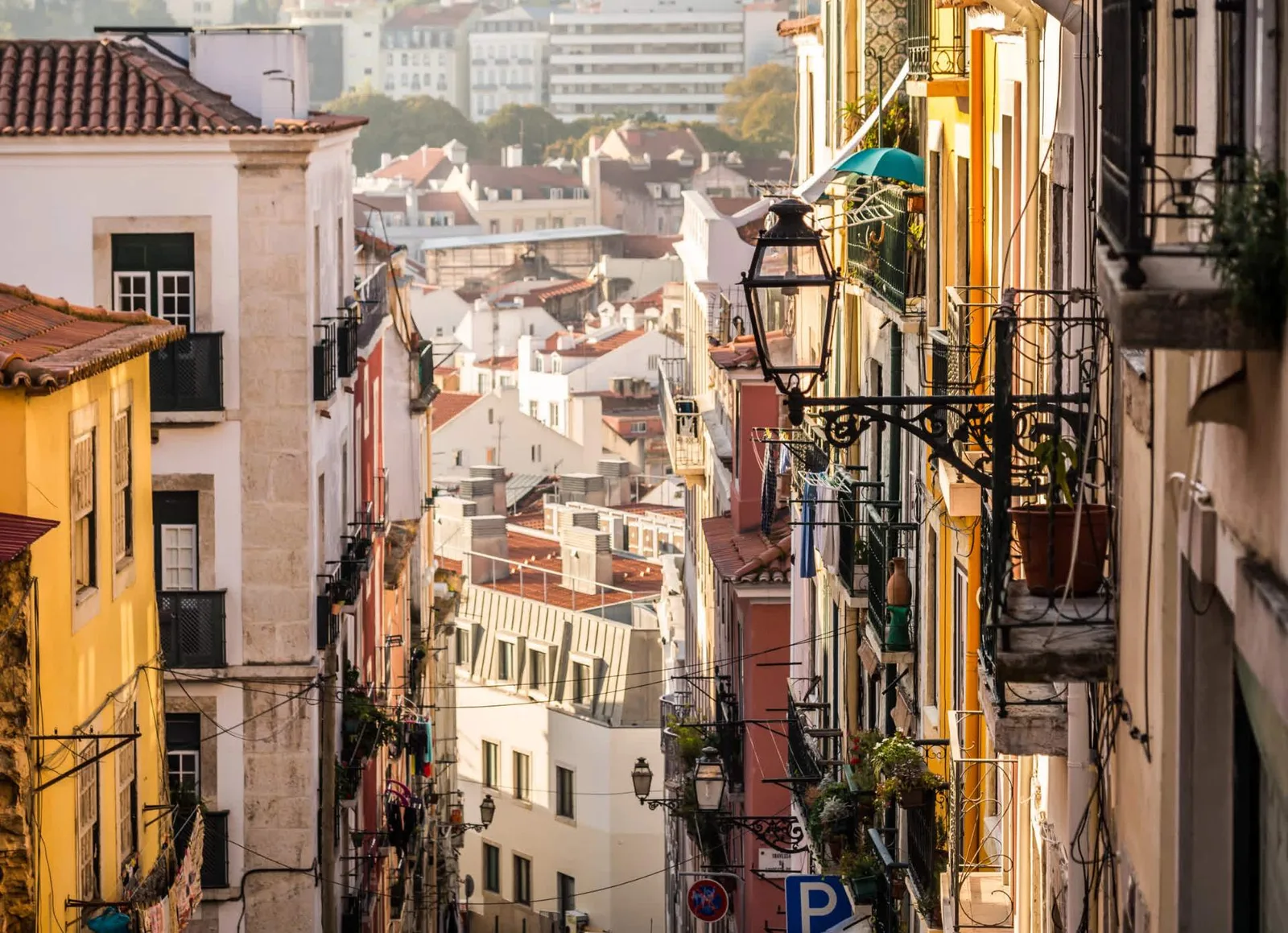
Experience the charm and vibrancy of Portugal's capital city. From rich history to stunning architecture, Lisbon invites you to explore its many treasures from our riverside holiday apartment in Parque das Nações.
Why Lisbon?
Lisbon blends centuries-old heritage with a vibrant modern pulse. Tile-clad façades, iconic trams and a sun-kissed waterfront create a city that feels both timeless and thrillingly new.
Known as the City of Seven Hills, Lisbon is one of Europe's oldest capitals, predating Rome by centuries. The Phoenicians, Romans and Moors all left their mark on a city that has reinvented itself after the devastating 1755 earthquake while preserving layers of history visible in every cobblestone street and azulejo-covered façade.
With more than 300 days of sunshine a year and average winter temperatures above 15 °C, Lisbon offers a Mediterranean climate that makes outdoor exploration a pleasure in any season. The broad Tagus estuary and Atlantic breezes keep summers comfortable, while mild winters invite long walks through the city's parks and miradouros.
Today Lisbon is a thriving blend of tradition and innovation, a UNESCO-rich capital with a booming tech scene, world-class gastronomy and a creative energy that has made it one of Europe's most desirable destinations for travellers, digital nomads and families alike.
300+ days of sunshine
Lisbon's exceptional climate is shaped by its position on the Atlantic coast at the mouth of the Tagus River. The city basks in roughly 2,800 hours of sunshine per year, more than any other European capital. Summers are warm and dry (25–30 °C) but tempered by ocean breezes, while winters remain mild (10–16 °C) with short rainy spells. This year-round warmth means café terraces stay busy in January, rooftop bars open by April, and outdoor festivals fill the calendar from Santos Populares in June to jazz evenings in the gardens of Belém well into October.
Lisbon enjoys one of Europe's sunniest climates, with mild winters and warm summers perfect for year-round exploration.
Historic neighborhoods
Lisbon's 28 parishes each have a distinct personality forged over centuries. Alfama, the oldest quarter, cascades downhill in a maze of Moorish alleyways where fado still echoes from tiny taverns. Neighbouring Graça offers sweeping panoramas from the Miradouro da Senhora do Monte, while Mouraria, the birthplace of fado, pulses with multicultural energy. Across the city, Príncipe Real is lined with concept stores and century-old cedars, Bairro Alto comes alive after dark with its legendary nightlife, and Belém stretches along the river with monumental Manueline architecture and the famous Pastéis de Belém bakery. Each neighbourhood rewards exploration on foot, revealing hidden courtyards, street art and local markets.
From Alfama's ancient alleyways to Bairro Alto's bohemian vibes, each of Lisbon's 28 neighborhoods tells its own unique story.
Culinary excellence
Portuguese cuisine has gained global recognition, and Lisbon sits at its creative heart. The city's 4,000-plus restaurants range from humble tascas serving bacalhau à Brás and caldo verde to innovative Michelin-starred kitchens reimagining Atlantic seafood. Time Out Market in Cais do Sodré gathers top chefs under one roof, while the Mercado da Ribeira and neighbourhood markets offer the freshest seasonal produce. Don't miss the iconic pastel de nata, best enjoyed warm from the oven with a bica (espresso), and explore the burgeoning natural wine scene in Intendente and Santos. Lisbon's food culture is inseparable from its social life: long lunches, late dinners and petiscos (Portuguese tapas) shared among friends.
Over 4,000 restaurants serve everything from Michelin-starred cuisine to traditional tascas, all celebrating Portugal's rich gastronomic heritage.
Day trip paradise
Few European capitals rival Lisbon's proximity to UNESCO World Heritage Sites and diverse landscapes. The fairy-tale palaces and misty forests of Sintra are just 40 minutes by train, and Pena Palace, Quinta da Regaleira and the Moorish Castle are all must-visits. The glamorous coastline of Cascais and Estoril offers golden beaches and seaside promenades within 30 minutes. Further afield, the medieval walled town of Óbidos, the monasteries of Batalha and Alcobaça, and the surf mecca of Ericeira are all easy day trips. Even the wild Arrábida Natural Park, with its turquoise coves, is under an hour's drive, making Lisbon the perfect base for exploring central Portugal.
Nine UNESCO World Heritage Sites within an hour's drive, including the fairytale palaces of Sintra and the stunning beaches of Cascais.
Live the capital
Immerse yourself in Lisbon's vibrant culture and discover unforgettable experiences
Uncover Lisbon's hidden gems
Slip beyond Lisbon's postcard vistas and you'll find a city of hushed courtyards, hand-painted tiles, and neighborhood rituals that feel wonderfully local. "Uncover Lisbon's Hidden Gems" is special because it trades crowded viewpoints for intimate discoveries, small, surprising places where the capital's character shines through. It's Lisbon at its most authentic, best savored slowly.
From lesser-known miradouros (viewpoints) to hidden cafés, uncover Lisbon's secrets.
Expect a meandering journey through lesser-known lanes in Alfama and Mouraria, where miradouros appear like secret balconies and tiny taverns hum with everyday life. You may duck into a family-run azulejo workshop, browse a tucked-away bookshop, or pause in a pocket garden that many visitors miss entirely. Along the way, you'll sample bites and sips in unpretentious spots where the welcome is as memorable as the flavors.
Go in the morning on a weekday for the calmest streets, the best light for photos, and easier conversations with shopkeepers before the day picks up. Wear comfortable shoes for Lisbon's cobblestones and hills, and bring a light layer, breezes can surprise you even under blue skies. For a perfect finish, time your last stop for late afternoon so you can toast the day from a quieter miradouro as the city turns gold.
Explore cultural highlights
Lisbon's cultural highlights unfold like a living mosaic, tile-clad façades, soulful fado drifting from doorways, and grand riverfront monuments catching the Atlantic light. What makes this experience special is how effortlessly the city blends everyday life with centuries of artistry, inviting you to wander from medieval alleys to modern galleries in a single afternoon.
Visit the iconic Belém Tower, the Jerónimos Monastery, and the famous Alfama district.
Visitors can expect a beautifully varied itinerary: start in Alfama's historic lanes, then step into the elegance of Belém for iconic landmarks and museum collections that trace Portugal's seafaring legacy. Along the way, pause for azulejo details, hidden courtyards, and viewpoint panoramas, with plenty of opportunities to pair culture with café stops and local flavors.
For the best experience, go early in the morning on a weekday to enjoy quieter streets and shorter museum lines, especially in Belém. Wear comfortable shoes for Lisbon's hills and cobblestones, and consider using trams or rideshares between neighborhoods to save energy for the galleries, viewpoints, and an evening fado performance.
Sail the majestic Tagus river
Lisbon reveals its most cinematic side from the Tagus River, where terracotta rooftops, tiled façades, and seven hills rise in luminous layers above the water. Sailing here feels both grand and intimate, an elegant way to experience the city's maritime soul while the Atlantic breeze softens the afternoon heat.
Embark on a scenic river cruise or enjoy outdoor adventures along the waterfront.
Expect a leisurely cruise past icons like the Belém Tower and the Monument to the Discoveries, with the 25 de Abril Bridge stretching overhead like a red ribbon. Many sails include welcome drinks and light bites, and some offer the chance to help trim the sails as the skipper shares stories of Lisbon's seafaring past. As the boat glides along the waterfront, the city's viewpoints and riverside neighborhoods unfold with a calm, panoramic rhythm.
For the most enchanting light, choose a late-afternoon departure that carries into sunset, when Lisbon turns honey-gold and the river mirrors the sky. Bring a light jacket, even in summer, the breeze on the water can feel cool once the sun dips. If you prefer a quieter experience, opt for a weekday sail or a smaller private charter for a more serene, tailored route.
Experience vibrant nightlife
As dusk settles over Lisbon, the city's nightlife hums to life, effortlessly blending old-world charm with a modern, creative edge. From tiled alleyways in Bairro Alto to the waterfront energy of Cais do Sodré, the evening feels like an invitation to linger, roam, and discover. What makes it special is the way music, conversation, and city lights spill naturally from intimate bars into the streets, creating a warm, shared atmosphere.
Discover Lisbon's buzzing nightlife in Bairro Alto and the pink street of Cais do Sodré.
Expect a playful mix of experiences, starting with petiscos and cocktails in a tucked-away wine bar before drifting to live music or a late-night dance floor. Many nights begin with relaxed bar-hopping in Bairro Alto, then shift toward the river for clubs, DJ sets, and stylish lounges around Pink Street. Along the way, you'll find everything from soulful fado to electronic beats, all within an easy walk or quick ride.
For the best rhythm, head out after 10 pm, Lisbon keeps late hours, and the buzz truly builds toward midnight and beyond. Wear comfortable shoes for the hills and cobblestones, and plan your route so you can wander on foot while saving rides for the trip home. If you're visiting on a weekend or in summer, arrive earlier for prime spots and consider reserving tables at popular venues.
The sound of saudade
From candlelit taverns in Alfama to intimate stages in Mouraria, where fado was born, the city offers unforgettable live performances nightly. Visit the Museu do Fado to trace its 200-year history, then experience it first-hand at legendary venues like Mesa de Frades or Tasca do Chico.
Lisbon is the birthplace of fado, a UNESCO-listed music tradition steeped in longing and emotion.
Fado is more than music, it's a window into the Portuguese soul. The genre blends melancholy, hope, and storytelling in a way that transcends language. In the right setting, with low lights and a single voice filling the room, even first-time listeners find themselves moved.
Whether over dinner or a late-night glass of wine, fado transforms any Lisbon evening into something deeply moving. For the most authentic experience, seek out smaller venues where the audience falls silent and the emotion is palpable.
Sun, surf & beaches
Cross the river to Costa da Caparica for an endless stretch of surf-friendly Atlantic coast, or hop on the train to the sheltered coves of Cascais and Carcavelos. The Arrábida Natural Park, under an hour south, hides turquoise coves rivalling the Mediterranean.
Golden-sand beaches lie just 20 minutes from the city centre, a rare luxury among European capitals.
Lisbon lets you combine a city break with genuine beach days, no second destination needed. Morning in a museum, afternoon on the sand, evening back in town for dinner, it's a rhythm that feels effortless and uniquely Lisbon.
For the best conditions, visit between June and September when water temperatures are warmest. Surf schools line Costa da Caparica for beginners, while experienced surfers head further south for bigger swells. Pack sunscreen and a light windbreaker for the Atlantic breeze.
Festivals all year
The Festas de Lisboa (Santos Populares) transform Alfama and Graça into open-air celebrations every June, with grilled sardines, folk parades and neighbourly revelry. Summer brings world-class music at NOS Alive and Super Bock Super Rock.
From sardine-scented street parties in June to Europe's largest tech conference in November.
Autumn hosts the Web Summit at Parque das Nações, while winter sparkles with Wonderland Lisboa's Christmas markets in Parque Eduardo VII. Spring brings the Lisbon Fish and Flavours festival, celebrating the country's extraordinary seafood heritage.
No matter when you visit, there's always something happening. The city's compact size means most events are easily accessible on foot or by metro, and the mild climate ensures outdoor celebrations are comfortable year-round.
Azulejos & street art
The Museu Nacional do Azulejo, housed in a 16th-century convent, is the only museum in the world dedicated to this Portuguese art form. Outside, entire façades tell centuries of history in blue and white.
Lisbon wears its art on its walls, from 500-year-old hand-painted tiles to bold contemporary murals.
Meanwhile, Mouraria and Avenida Fontes Pereira de Melo showcase some of Europe's most striking street art. Together, they make Lisbon an open-air gallery spanning five centuries of visual expression.
Take a self-guided walk through the city's layers of artistic heritage, from the ornate panels inside São Roque church to the towering murals near Picoas metro. The contrast between old and new tells the story of a city that has always valued beauty on its surfaces.
Stay in Lisbon's most modern district
Discover Parque das Nações – a riverside neighbourhood unlike any other in Lisbon. Built for Expo '98, this area features bold architecture, palm-lined promenades, panoramic river views, and easy access to top attractions.
Enjoy iconic landmarks like the Oceanário, world-class shows at the MEO Arena, public art displays and stylish cafés, all just minutes away from the airport and metro.
Parque das Nações was born from Lisbon's ambitious transformation of former industrial docks for Expo '98, creating a purpose-built riverside district that today ranks among the city's most desirable neighbourhoods. The area stretches along 5 km of the Tagus waterfront, anchored by Santiago Calatrava's striking Gare do Oriente station and connected to the rest of Lisbon by metro, bus and suburban rail, with Lisbon Airport just a 10-minute ride away.
Residents and visitors enjoy a rare combination of urban convenience and waterfront tranquillity. Tree-lined boulevards, dedicated cycling lanes, and open-air art installations make everyday life feel unhurried, while the Lisbon Oceanarium (Europe's largest indoor aquarium), the Telecabine cable car and the Vasco da Gama shopping centre ensure there's always something to see and do within walking distance.
The district is also home to the MEO Arena, Portugal's largest indoor venue hosting international concerts and sporting events, and a growing number of restaurants, craft-beer bars and weekend markets along the riverside promenade. For families, the area offers safe, car-free zones, playgrounds and the interactive Pavilhão do Conhecimento (Science Museum). It's a neighbourhood that combines Lisbon's modern ambitions with easy, everyday living by the water.
- Waterfront living
- Quiet & safe
- Walking & cycling paths
- Modern Architecture
Travel suggestions & inspiration
Explore the heart of Lisbon through our curated stories and insider tips
Belém Tower, the Jerónimos Monastery and Pastéis de Belém in one well-ordered morning: 2026 tickets and timed slots, opening hours, the queues, the Monument to the Discoveries and how to get there.
Ana Freitas · 2026-10-12T18:03:56+00:00 · 13 min read
Read more →
What to eat in Lisbon and where to eat it, from a €3 bifana to two Michelin stars: the dishes, the best pastel de nata, restaurants by type, brunch, Parque das Nações and the local rules on couvert and dinner time.
Maria Santos · 2026-10-12T11:31:15+00:00 · 22 min read
Read more →
Three days in Lisbon, one job per day: the centre and Alfama, Belém and the river, then the neighbourhoods at walking pace, planned around what closes on Mondays, with the 2 and 4 day versions.
Ana Freitas · 2026-10-11T21:51:33+00:00 · 20 min read
Read more →
Lisbon has no beach of its own, but the Atlantic is close: ten beaches and beach areas from the Cascais line to Costa da Caparica, the Arrábida, Sintra and Ericeira, chosen by how easy they are to reach.
Ana Freitas · 2026-10-11T13:44:12+00:00 · 18 min read
Read more →
Lisbon in December, honestly: the weather, Wonderland and the other Christmas markets, the lights from Chiado to Praça do Comércio, New Year's Eve by the river and what stays open over the holidays.
Catarina Gomes · 2026-10-10T13:26:58+00:00 · 20 min read
Read more →
Two Lisbons share the same tram stop: the postcard one, and the one where people carry their shopping up the same stairs. Twenty places in the order you would walk them, with 2026 prices, hours and the honest caveats.
Ana Freitas · 2026-08-31T16:30:00+00:00 · 20 min read
Read more →
Lisbon neighbourhood by neighbourhood, from Alfama to Parque das Nações: who each one suits, what a night costs, and the mistakes first-timers make when choosing where to sleep.
Ana Freitas · 2026-03-08T21:27:00+00:00 · 18 min read
Read more →
A day in Cascais from Lisbon: the train, the beaches, the historic centre and Boca do Inferno, and how long the trip really deserves.
Ana Freitas · 2026-03-08T21:27:00+00:00 · 19 min read
Read more →
A day in Sintra from Lisbon: train or car, which palaces to choose when you cannot see them all, when to book tickets, and how long it really takes.
Ana Freitas · 2026-03-08T21:27:00+00:00 · 20 min read
Read more →