Best time to visit Madeira: the weather month by month
Catarina Gomes · 17 min read · Updated 10/Oct/2026
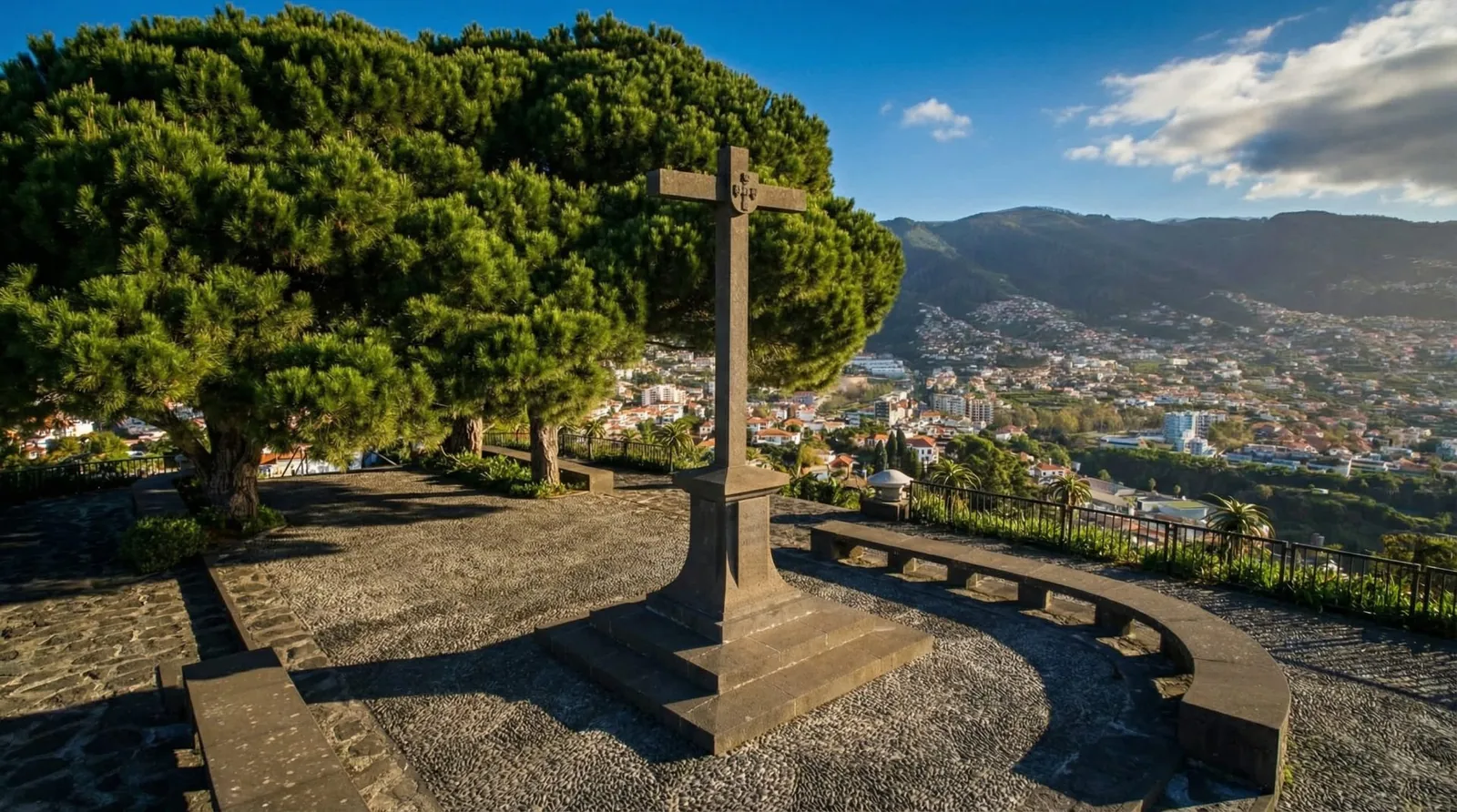
When to go to Madeira, honestly: the weather in Funchal month by month from the official normals, the sea, the mountains, the festivals and the months with the best balance of weather and price.
Best time to visit Madeira: the short answer
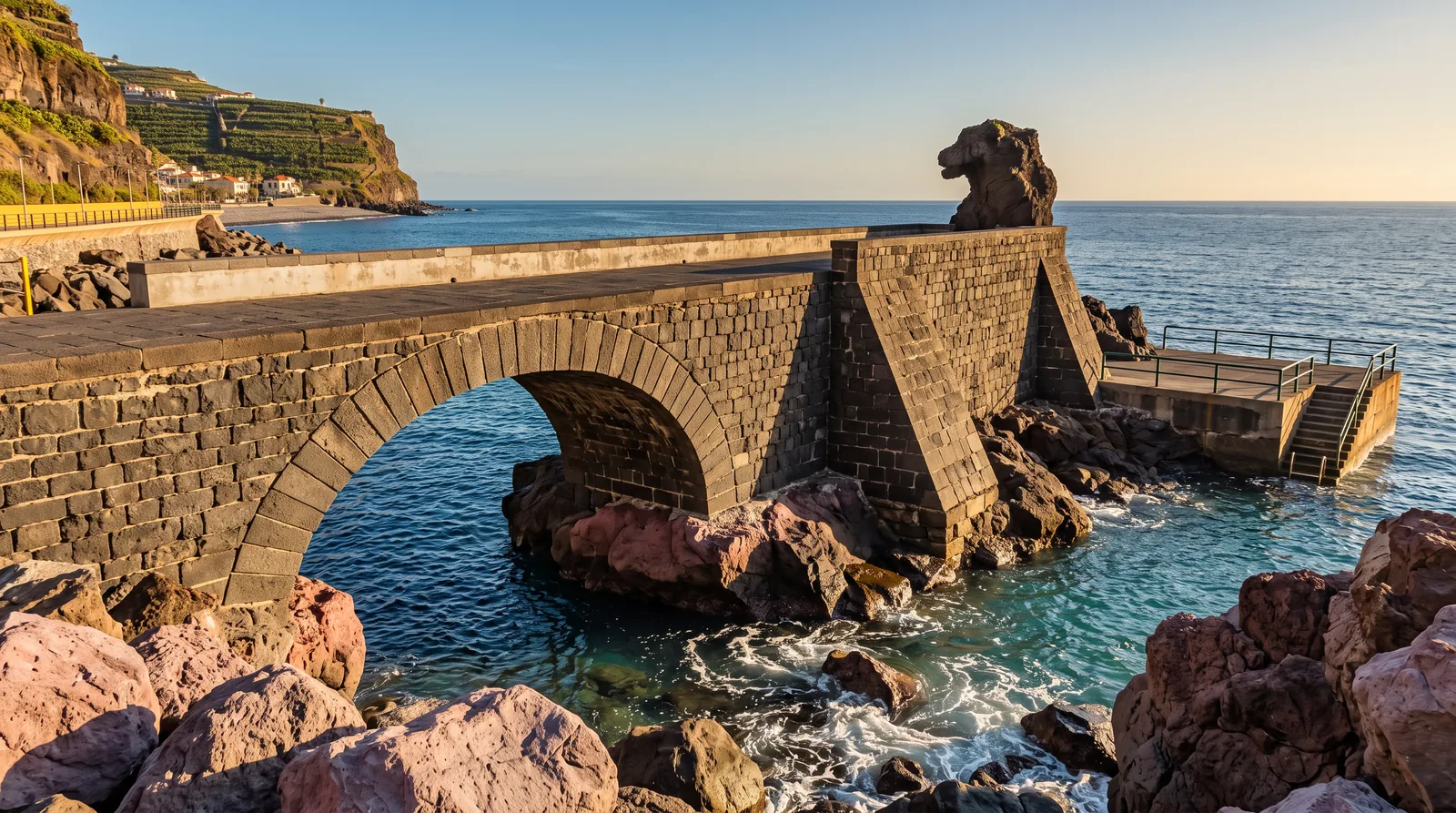
Madeira has no bad month, only months that are good for different things. The south coast, where Funchal and most beds are, stays between about 14°C on the coolest nights and 27°C on the warmest days, and it never freezes by the sea. What changes is the rain, the sea, the light, the crowds and the price. If you only read one part of this guide, read this one.
- Best overall: April to early June, and September to October.
- Warmest sea: August to October, around 23°C.
- Driest months: June to August, with almost no rain in Funchal.
- Wettest months: October to December, and January to March close behind.
- Hiking: April to June and September to October, before the summer haze and after the heat.
- Fewest visitors and lowest rates: January and early February, outside Carnival.
- Festivals that fill the island: Carnival in February, the Flower Festival in May, the Wine Festival from late August, and New Year's Eve.
My own favourites are spring and the start of autumn. I have been in February 2022, April 2023, May 2024, September 2024, March 2025 and October 2025, besides the November and December visits I wrote about elsewhere, and the months I come back to are the ones either side of summer. The island looks its best, there is less pressure than in summer, and it is still easy to spend most of the day outdoors.
Madeira weather by month
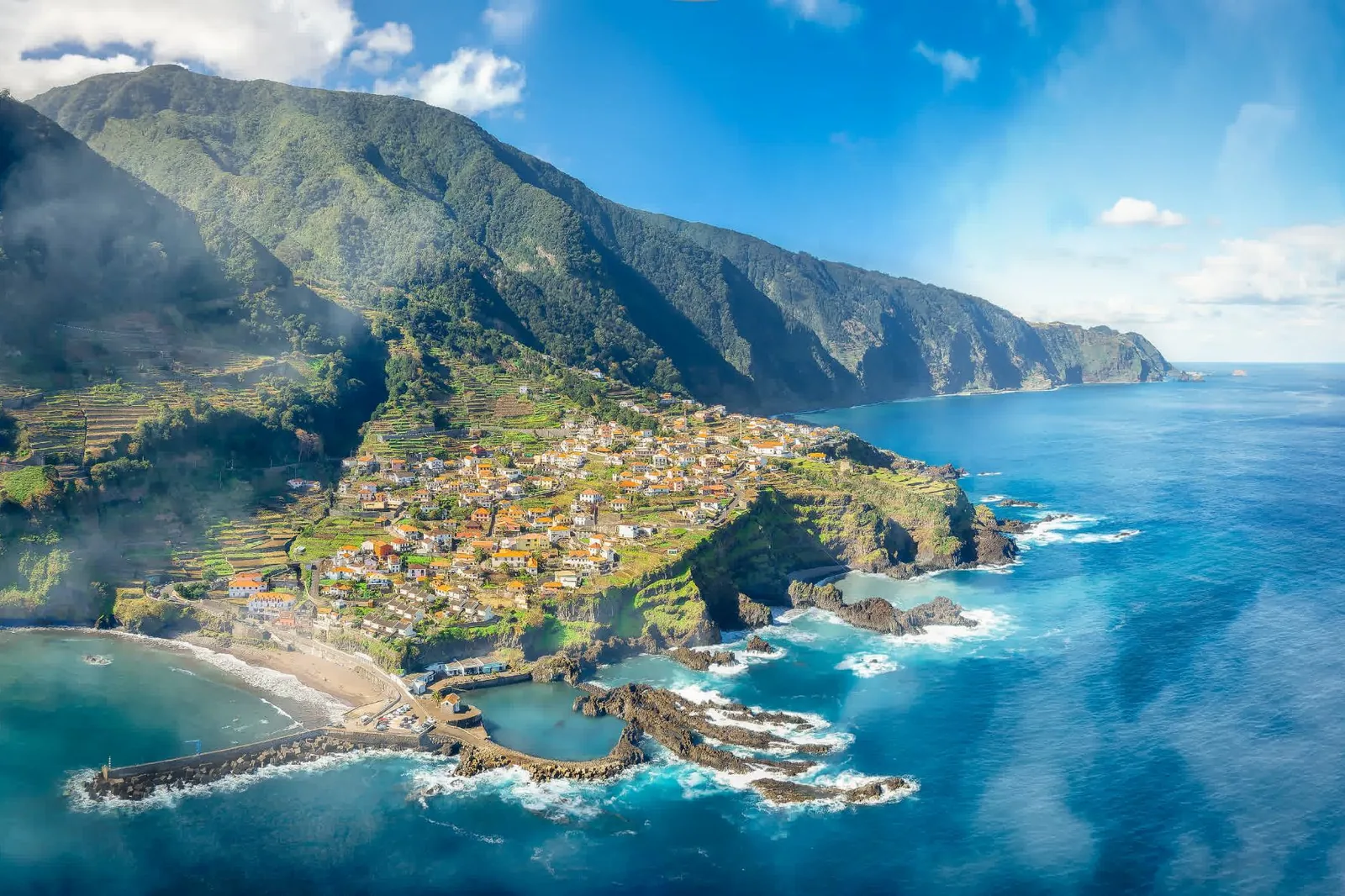
The figures below are the official IPMA climate normals for Funchal, 1991 to 2020, measured at a station 58 metres above the sea. They describe the coast where you sleep, not the mountains, which have a climate of their own (more on that below). Sea temperatures are monthly averages off Funchal from satellite records, which agree with the island's own harbour series: coldest in March at about 18°C, warmest in September at about 23°C. Daylight is for the middle of each month, on local time.
Read the rain line with care. A "rain day" is any day with at least a millimetre, and on the south coast most of them bring a shower, not a grey day from end to end.
1. Madeira in January
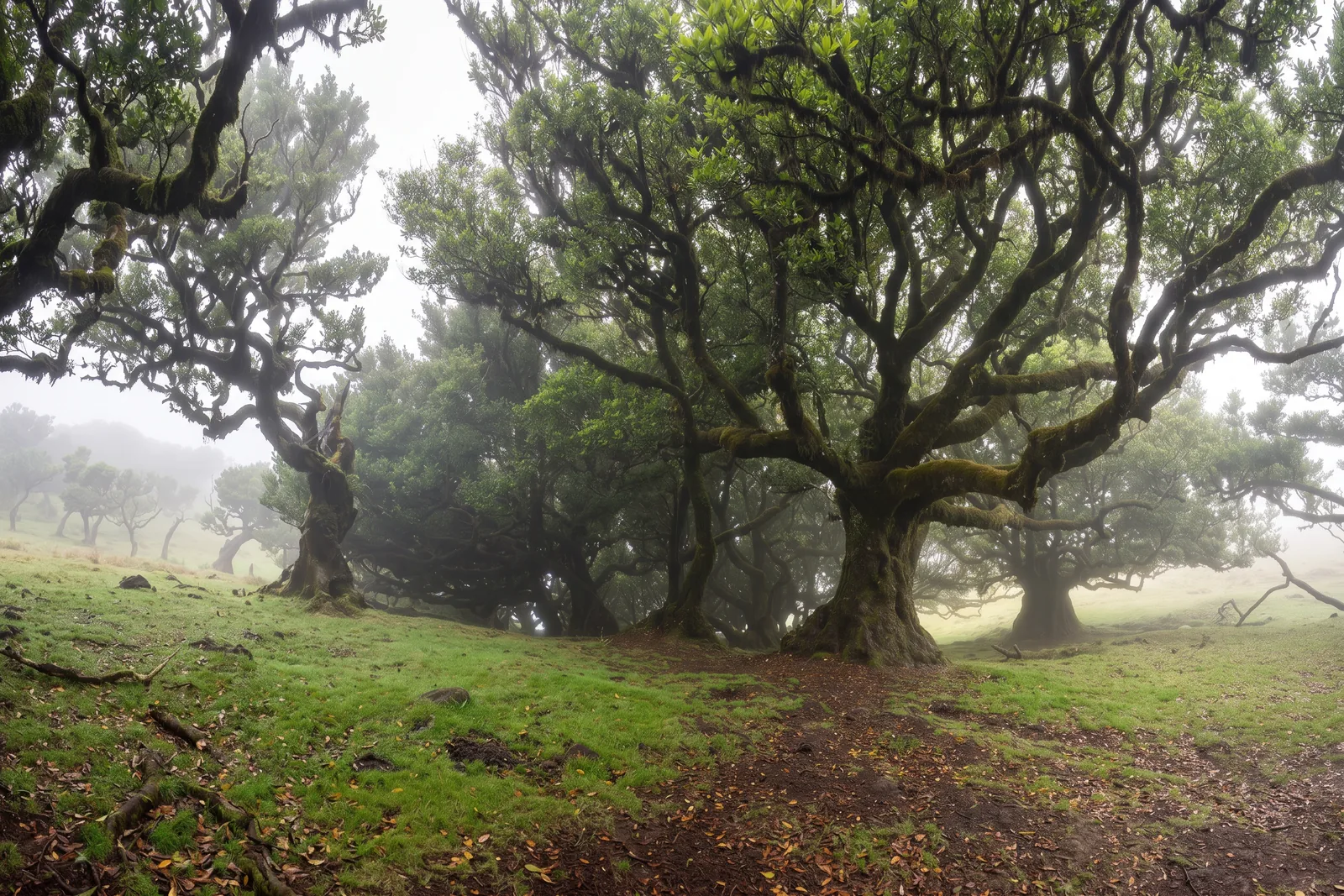
January is the quietest month of the year, and it feels like it. The Christmas lights stay up until around 10 January, then the island exhales. Days are short and soft, the sun is low over the bay by half past five, and the mountains are at their coldest and wettest: this is when the peaks can wake up white for a morning. On the coast it is mild enough to sit outside at lunch in a shirt.
- Air: about 20°C by day and 14°C at night.
- Sea: about 18.5°C.
- Rain: 67 mm over 6 days.
- Daylight: just over 10 hours, sunset around 18:25.
- Best for: quiet city days, gardens, museums and some of the lowest rates of the year.
- Watch out: the ferry to Porto Santo usually stops for maintenance from early January to early February.
2. Madeira in February
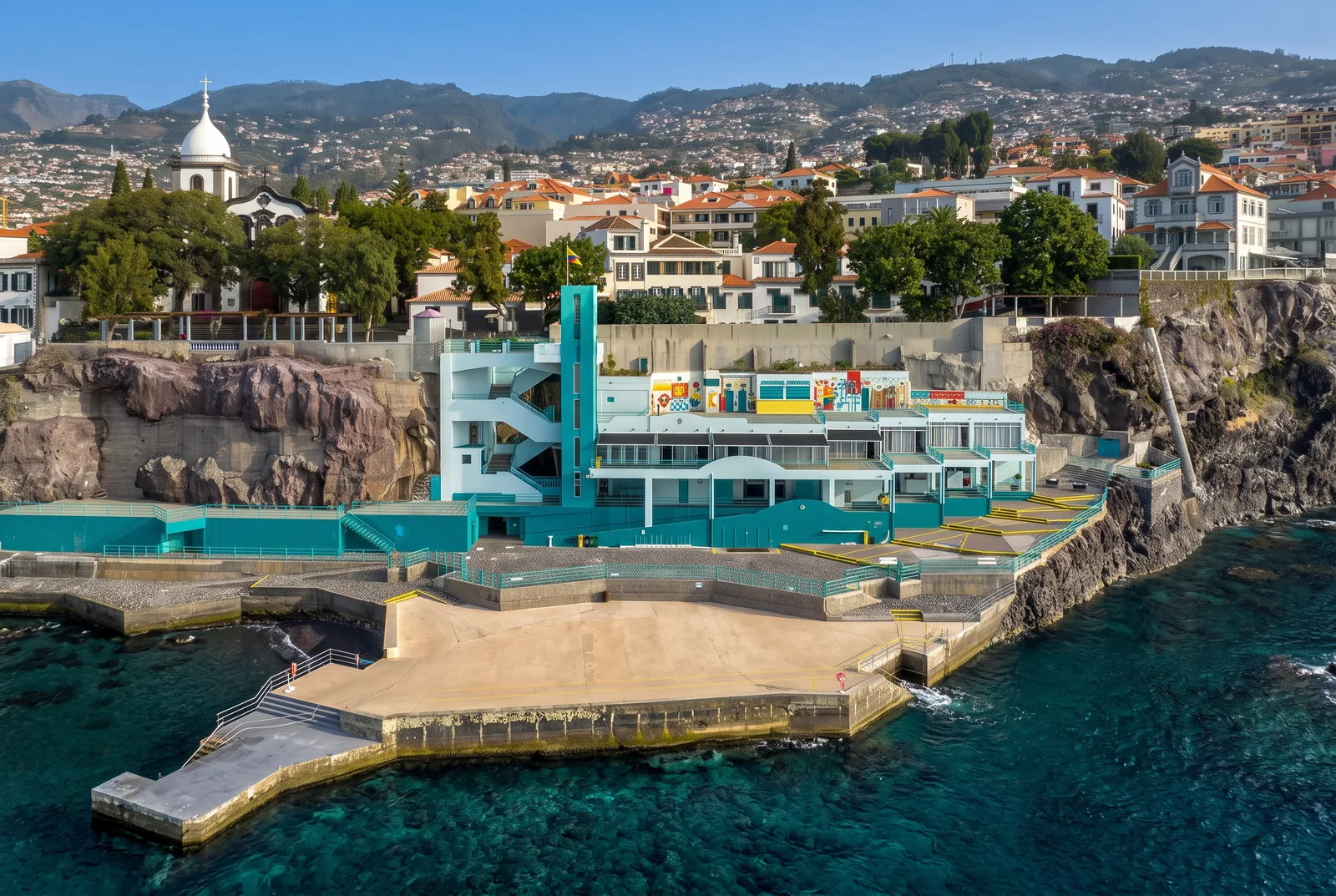
February belongs to Carnival. In 2027 it runs from 3 to 14 February, with Shrove Tuesday on the 9th; the two big allegorical parades fill central Funchal on 5 and 6 February, and the satirical Cortejo Trapalhão follows on the Tuesday. Outside those days the island is still in its low season. One mistake I see is assuming that Madeira means a beach holiday in any month. In February there can be lovely days by the sea, but I would not book the trip counting on a week of sunbathing.
- Air: about 20°C by day and 14°C at night, the coolest month by a fraction.
- Sea: about 18°C.
- Rain: 72 mm over 5 to 6 days.
- Daylight: about 11 hours, sunset just before 19:00.
- Best for: Carnival, and low prices outside the Carnival days.
- Watch out: the Carnival parade days book out like a festival, which is what they are.
3. Madeira in March
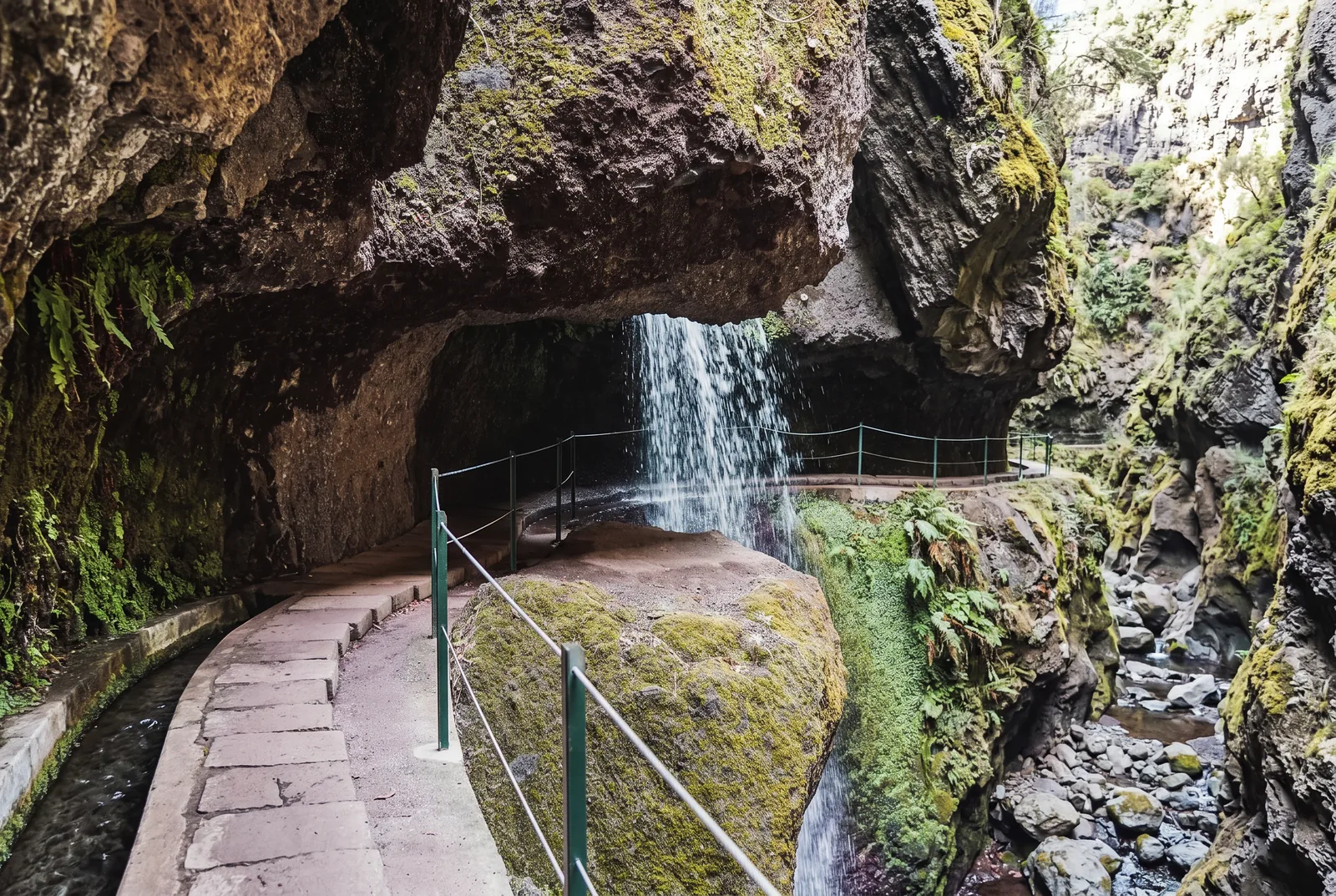
March is the month the island turns, and it does not always do it gracefully. The days lengthen fast, the first long walks become pleasant again, and the sea is at its coldest of the year. Up high it is still winter: in 2026 the Pico do Areeiro station recorded its lowest reading of the year so far, minus 3.3°C, on 19 March. Easter falls on 28 March in 2027, and with it the first wave of school holidays from the UK and Germany.
- Air: about 21°C by day and 14°C at night.
- Sea: about 18°C, the coldest of the year.
- Rain: 62 mm over 6 days.
- Daylight: about 12 hours; clocks go forward on the last Sunday.
- Best for: walking at lower altitudes, waterfalls running full after the winter.
- Watch out: sunrise at Pico do Arieiro can mean ice on the road and wind that cuts through a fleece.
4. Madeira in April
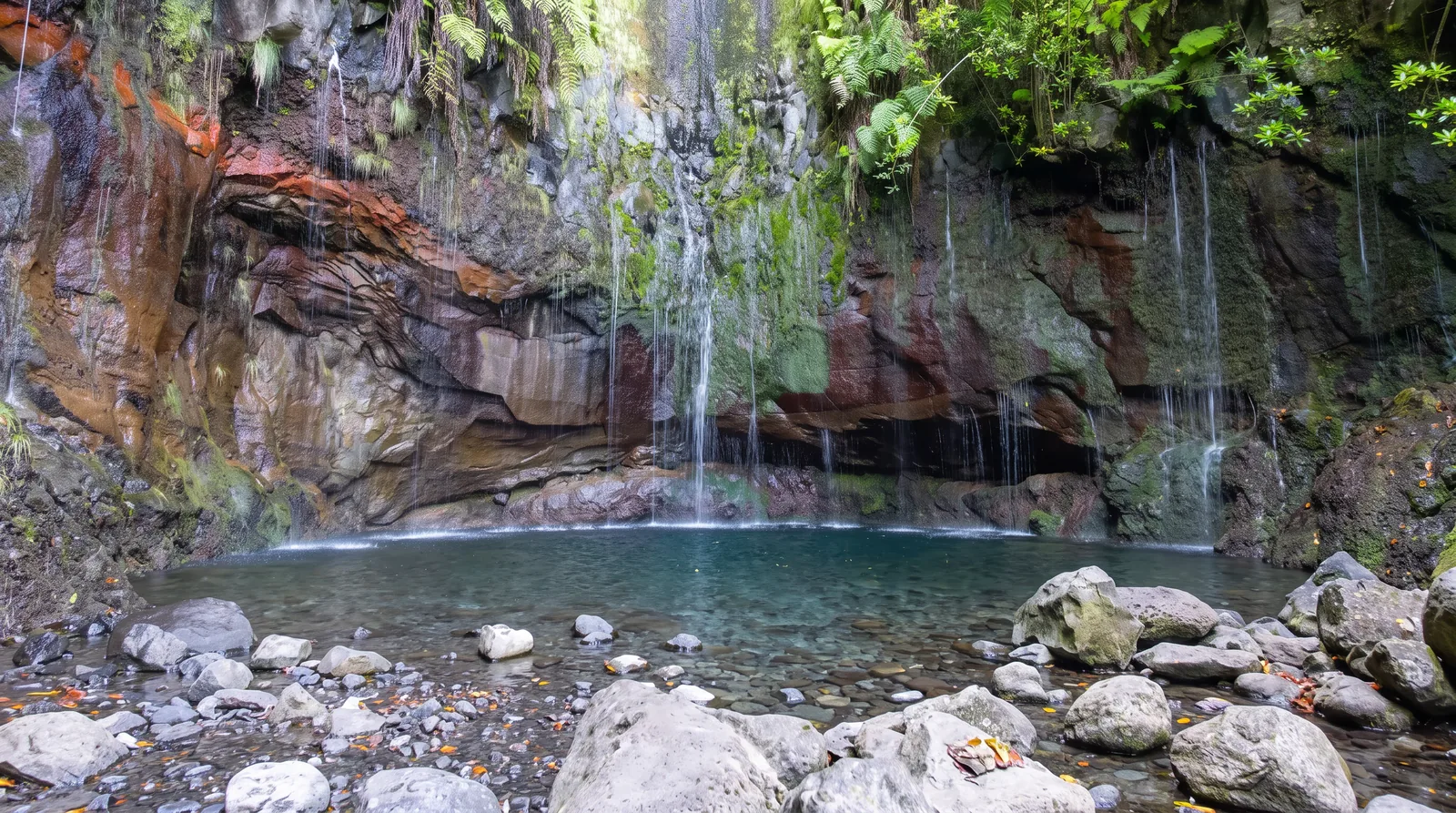
April is where the case for spring begins. The rain drops to about two thirds of the January to March average, the levadas are green and full, the jacarandas start to colour Funchal's avenues at the end of the month, and the sun sets after half past eight. In spring the light at the end of the afternoon can be beautiful, especially on the south coast. The Madeira Island Ultra Trail takes over the mountain paths on 24 and 25 April 2027.
- Air: about 21°C by day and 15°C at night.
- Sea: about 18.5°C.
- Rain: 45 mm over 5 days.
- Daylight: about 13 hours, sunset around 20:35.
- Best for: hiking, gardens and long evenings outside.
- Watch out: in 2027 the Easter school holidays run into the first days of April, and those days are busy.
5. Madeira in May
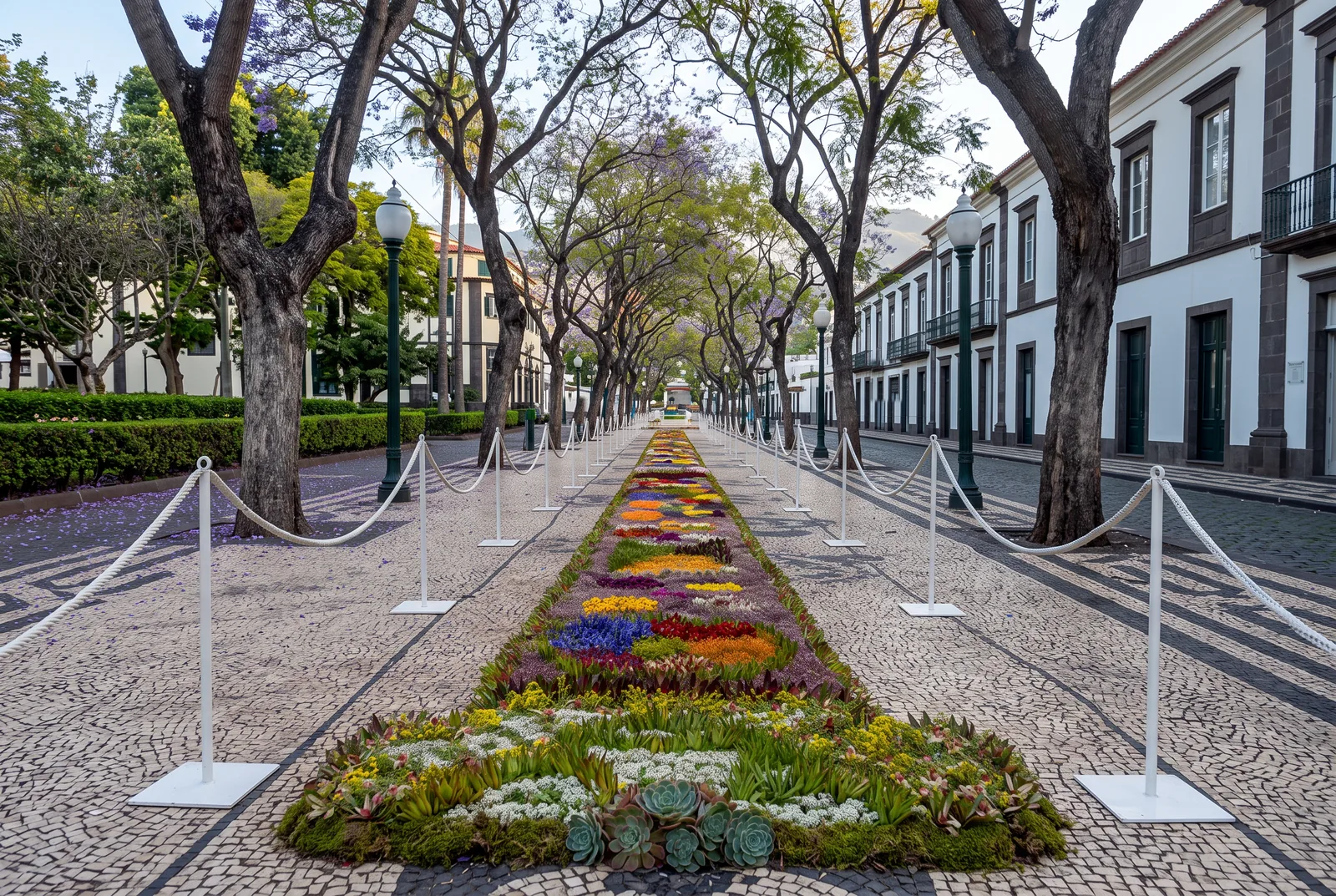
If you can choose only one month, May makes the strongest case. It is the heart of the Flower Festival, which runs from 29 April to 30 May in 2027, with the big parades on 2 and 16 May; the jacarandas are at their peak; and rain is already scarce. Another mistake guests make is leaving the festival to the last minute. During the festival, accommodation, hire cars and tours are far more sought after.
- Air: about 22°C by day and 16°C at night.
- Sea: about 19.5°C.
- Rain: 27 mm over 3 days.
- Daylight: almost 14 hours.
- Best for: flowers, hiking, the first swims for the brave.
- Watch out: book early for the parade weekends, rooms and cars together.
6. Madeira in June
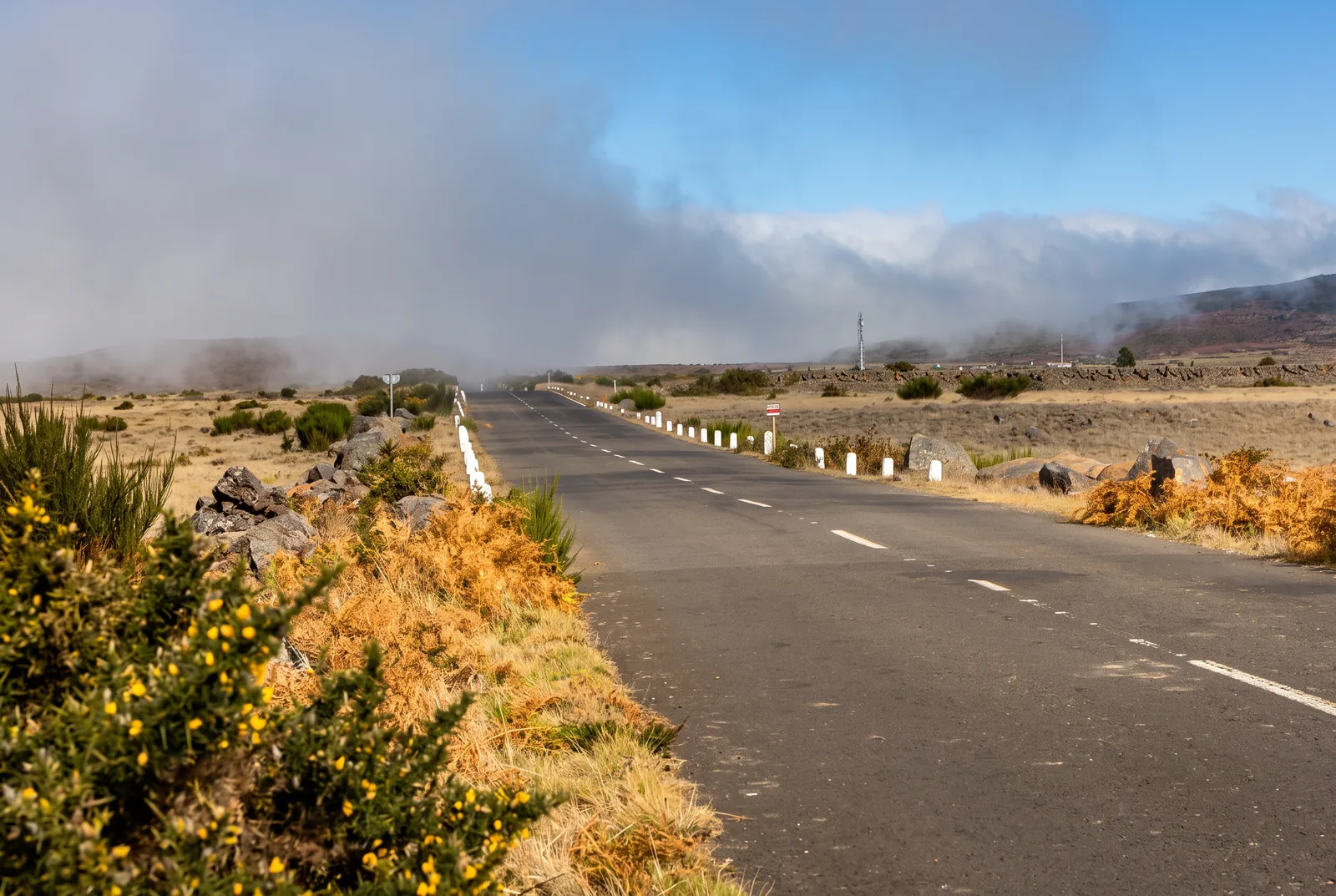
June is the longest-lit month and one of the driest, and it has a quirk the brochures leave out: some days the mountains wear a lid of cloud that the trade winds push against the north and the peaks, while Funchal stays bright underneath. On the coast it simply means a cooler afternoon; on the heights it can mean walking in fog. The Atlantic Festival brings fireworks over the bay on the Saturdays of June, and the official bathing season opens on the beaches during the month.
- Air: about 24°C by day and 18°C at night.
- Sea: about 21°C.
- Rain: 8 mm, on a single day in a typical June.
- Daylight: over 14 hours, sunset after 21:00.
- Best for: long days, the Saturday fireworks, the start of swimming season.
- Watch out: if a mountain viewpoint is the point of the day, go early, before the cloud settles.
7. Madeira in July
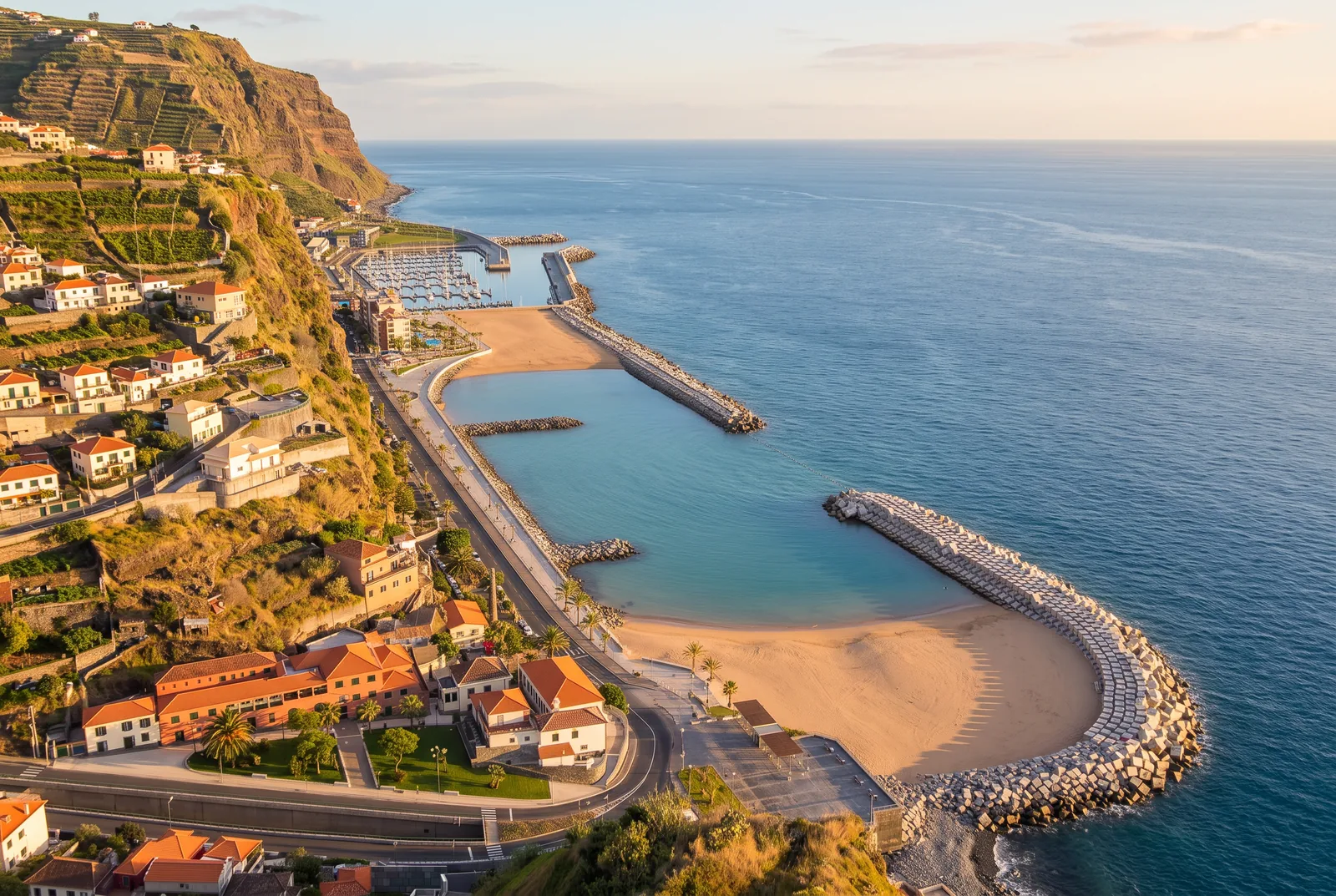
July is summer proper and the start of the high season. Funchal is warm without being punishing, the beaches at Calheta and Machico have lifeguards, and evenings outdoors run late. July and August are the two busiest months of the year by a clear margin, with Portuguese families joining the visitors from abroad. 1 July is the regional holiday, Madeira Day.
- Air: about 25°C by day and 20°C at night.
- Sea: about 22°C.
- Rain: practically none, about 2 mm.
- Daylight: about 14 hours.
- Best for: swimming, boat trips, summer evenings on the seafront.
- Watch out: the Rali da Madeira closes mountain roads over its rally weekend, which ran from 30 July to 1 August in 2026; the 2027 date is not yet confirmed.
8. Madeira in August
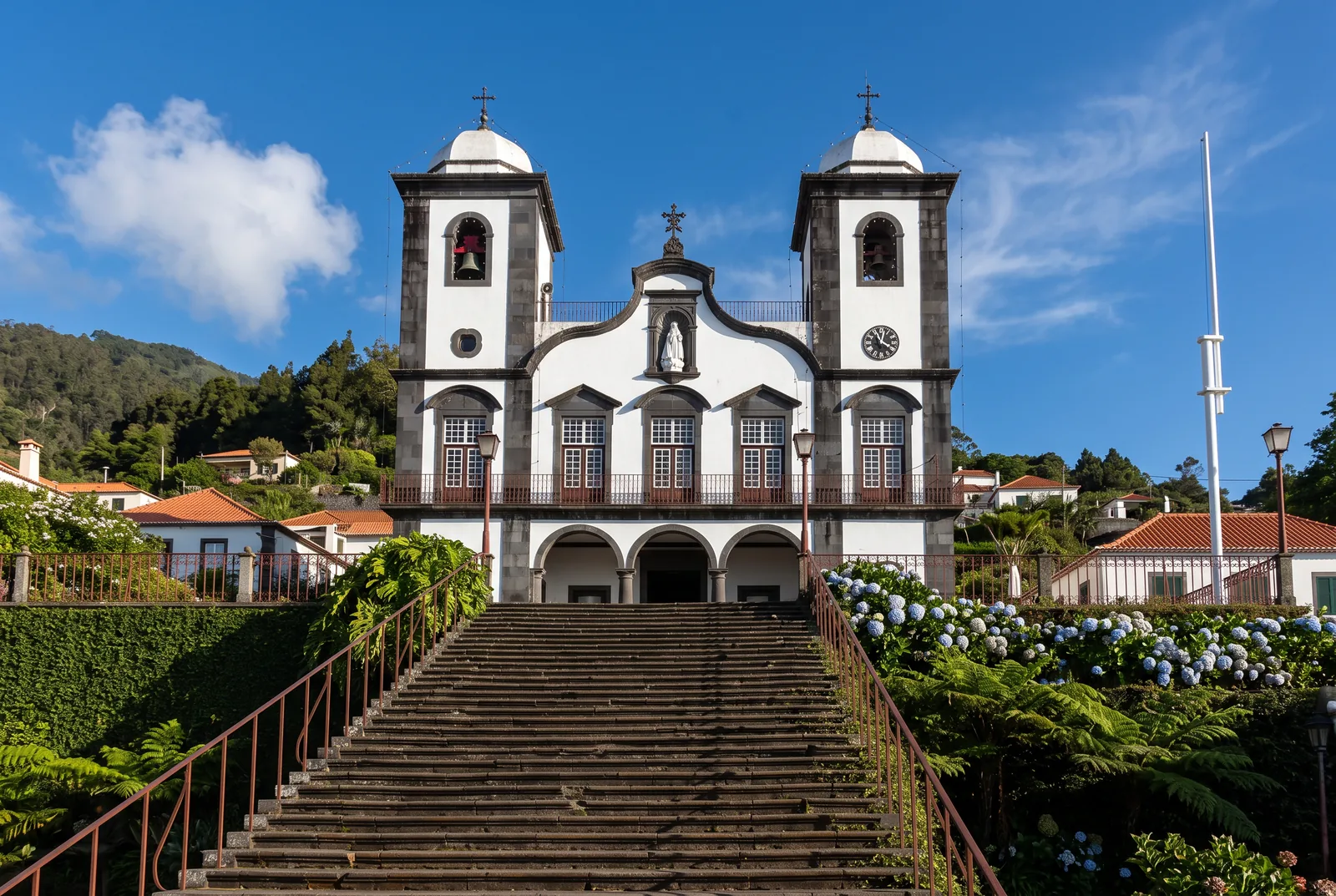
August is the warmest and the most expensive month. In 2025 the average daily rate in the region's tourist accommodation (local lodging with fewer than 10 beds excluded) reached €148.81, against €101.09 in January, according to the regional statistics office. It is also the month of the feast of the island's patron saint, Nossa Senhora do Monte, on 14 and 15 August, when Monte fills with pilgrims and arraial stalls, and of the start of the Wine Festival, from 22 August 2027.
- Air: about 27°C by day and 21°C at night.
- Sea: about 23.5°C.
- Rain: about 1 mm, the driest month.
- Daylight: about 13 hours.
- Best for: swimming, diving, the Monte festival.
- Watch out: peak prices, and the dry season's fire risk on the hills.
9. Madeira in September
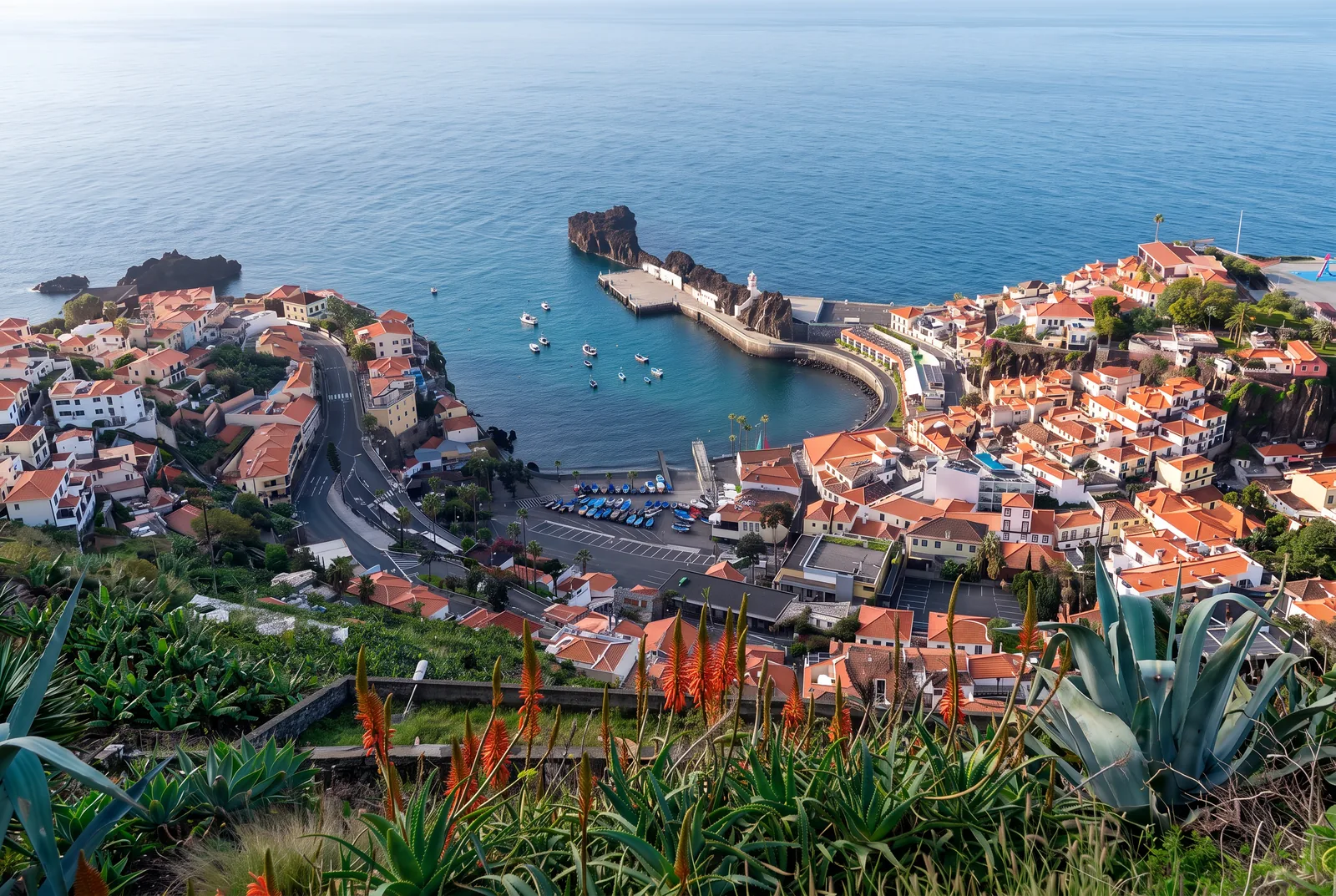
September is summer with the edge taken off. The sea is at its warmest of the year, the summer school holidays end, and the harvest moves into the hills above Câmara de Lobos: the Wine Festival runs until 12 September in 2027, with the big harvest day in Estreito de Câmara de Lobos on the 11th. In September and October many days still feel like summer, but I would never go up to the mountains without a jacket just because it was hot by the sea.
- Air: about 27°C by day and 20°C at night.
- Sea: about 23.5°C, the warmest of the year.
- Rain: 23 mm over 3 days.
- Daylight: about 12 hours.
- Best for: swimming, the wine harvest, hiking again by the end of the month.
- Watch out: September is busier than its reputation; rates in 2025 were only 7% below August.
10. Madeira in October
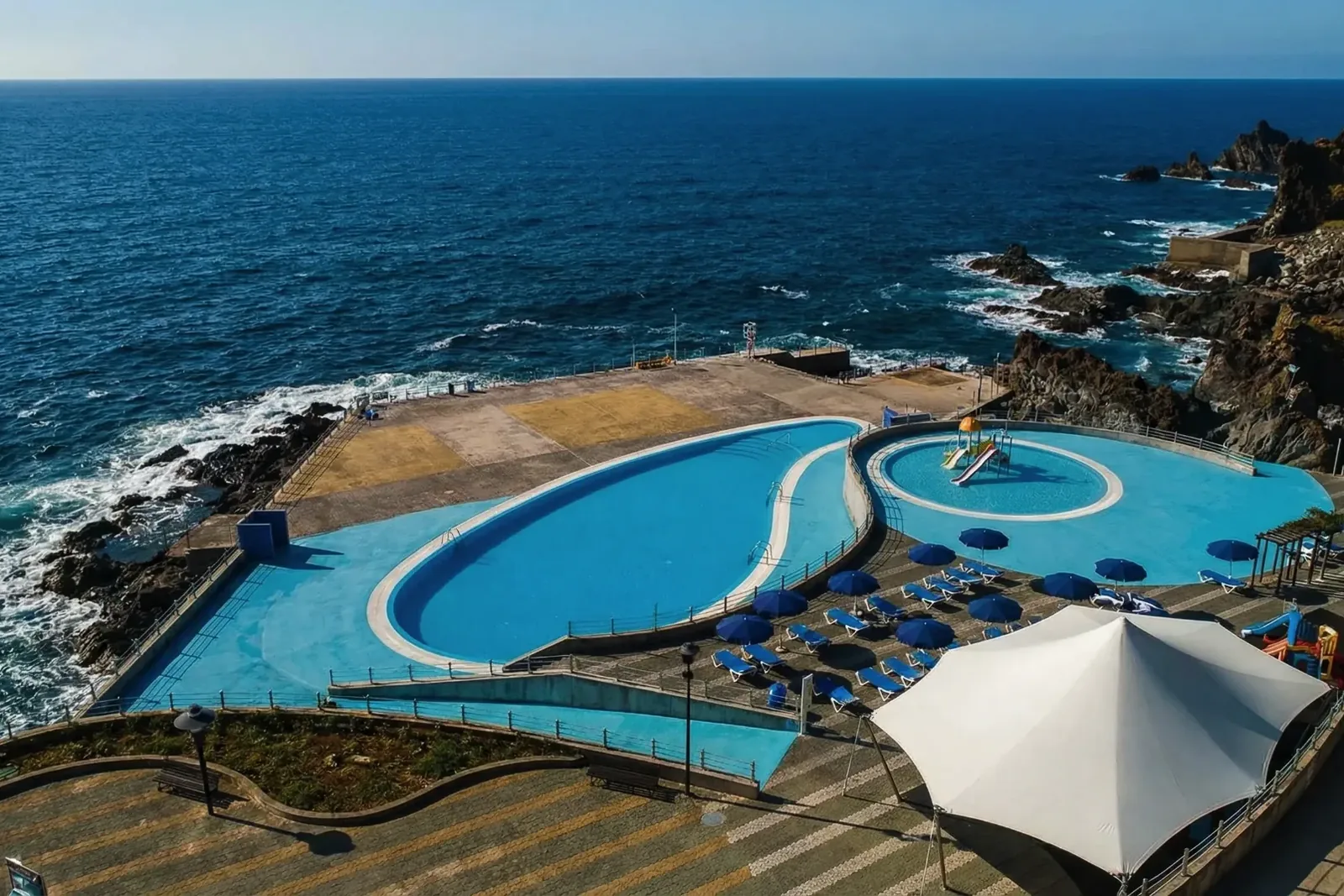
October is the month of two halves. The first weeks are often still summery, with the sea at 23°C and the Nature Festival filling the calendar from 5 to 10 October in 2027. Then the autumn rains arrive: October is, on average, the second wettest month in Funchal. Rates drop with them, about a sixth below August in 2025. The clocks go back on the last Sunday.
- Air: about 25°C by day and 19°C at night.
- Sea: about 23°C.
- Rain: 91 mm over 7 days.
- Daylight: about 11.5 hours.
- Best for: late-season swimming, walking, better value than summer.
- Watch out: the Porto Santo ferry has had a short dry-dock stop in October; check its timetable before you plan a day there.
11. Madeira in November
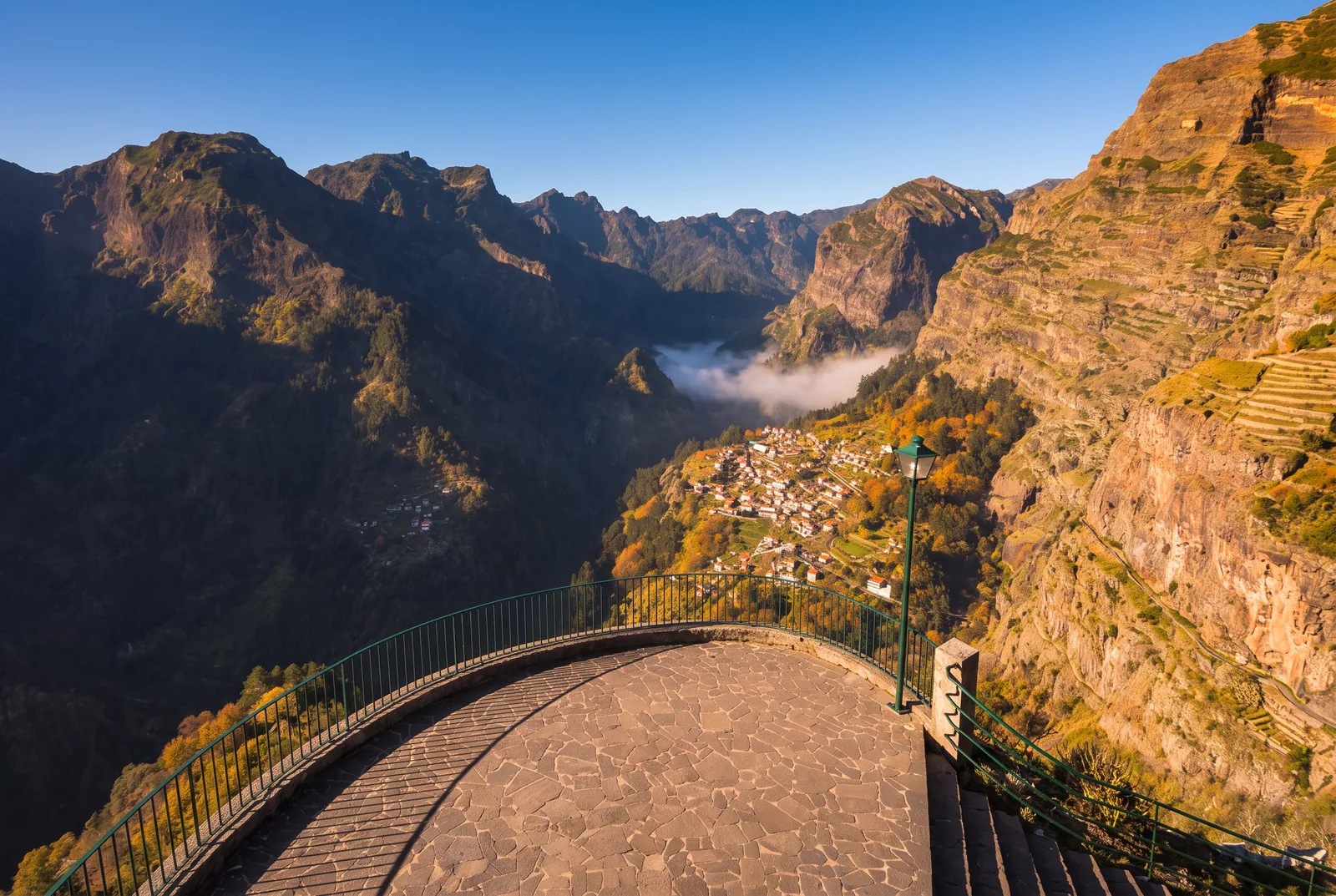
November is green, mild and unhurried, with the first Christmas preparations by the end of the month. The chestnut festival in Curral das Freiras usually falls around the turn of the month, at the end of October or the start of November. I have written a whole guide to Madeira in November, with the weather, the sea and what still works.
- Air: about 23°C by day and 17°C at night.
- Sea: about 21°C.
- Rain: 80 mm over 7 days.
- Daylight: about 10.5 hours.
- Best for: quiet walking, waterfalls, mild days before the festive season.
- Watch out: the light goes at about six; plan mountain walks early.
12. Madeira in December
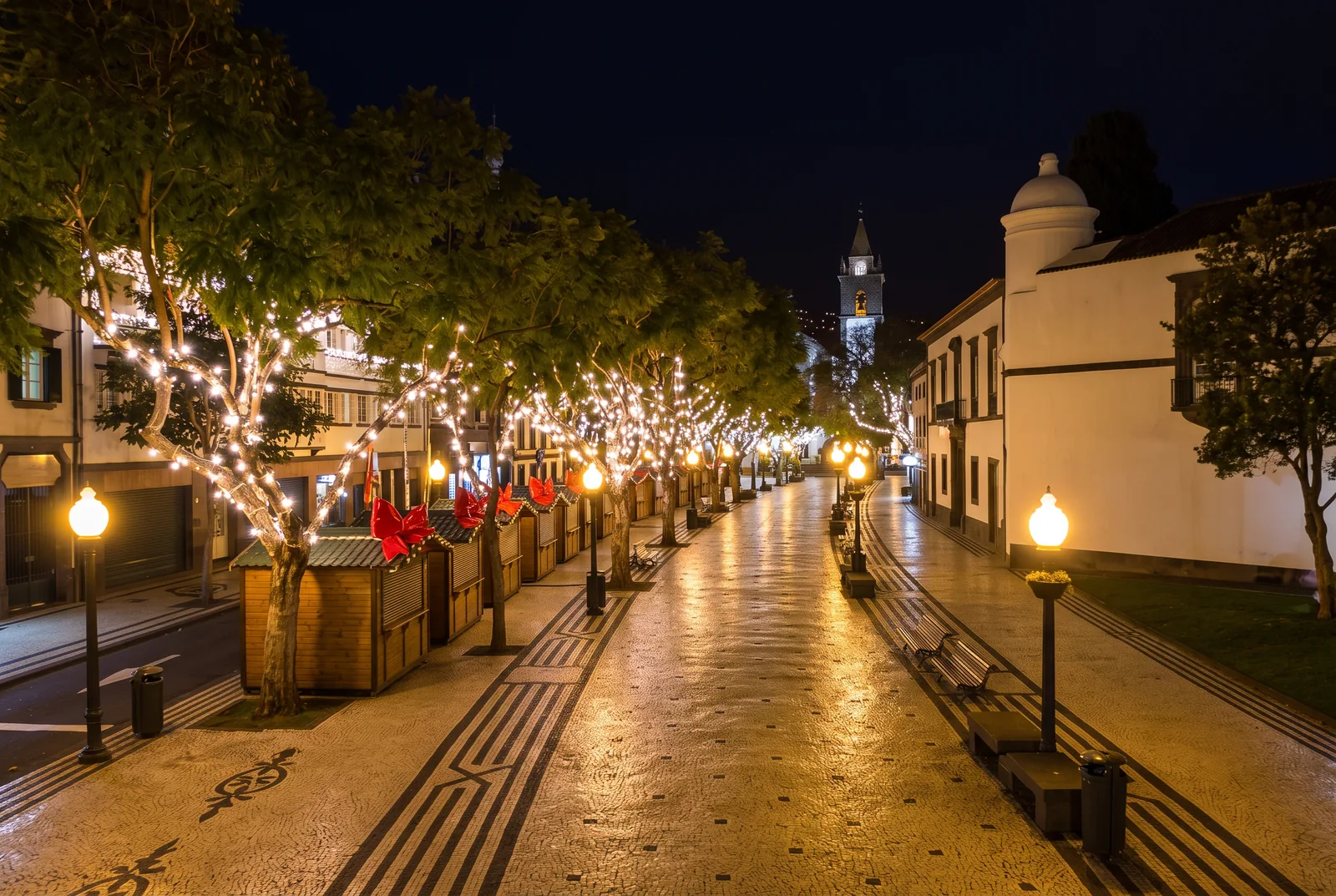
December is the month Madeira dresses up. The lights go on across Funchal from the first evening, the market night of 23 December fills the streets around the Mercado dos Lavradores, and the New Year's Eve fireworks over the bay are the busiest night of the year. It is also the wettest month on the coast. The full story is in our guide to Madeira in December.
- Air: about 21°C by day and 15.5°C at night.
- Sea: about 20°C.
- Rain: 95 mm over 8 to 9 days, the wettest month.
- Daylight: about 10 hours.
- Best for: the Christmas lights, New Year's Eve, winter sun with a festive backdrop.
- Watch out: the days around New Year are the most sought after of the whole calendar.
North, south and the peaks: three climates in one day
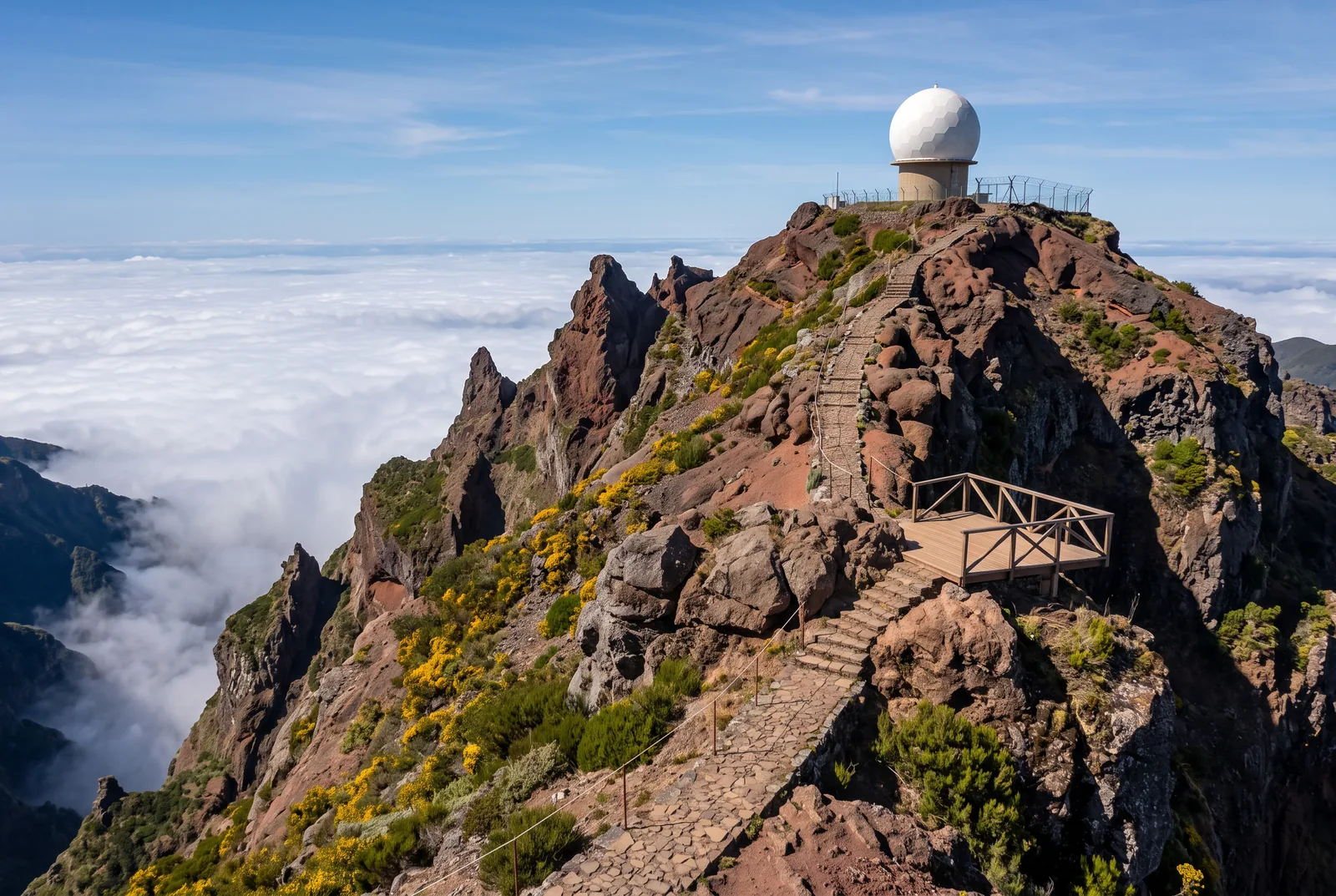
Every number above is from Funchal, and Funchal is the warm, dry side of the island. What still surprises me is how quickly the weather changes from one part of the island to another. I have left Funchal in sunshine and very pleasant temperatures and found cold, wind and fog at Pico do Arieiro on the same day.
The official data shows why. The north coast catches the trade winds first: Santana averages about 13°C in January against 17°C in Funchal, and gets around 26 to 34 mm of rain in each summer month, when Funchal gets almost none. At about 1,600 metres, the Chão do Areeiro station averages under 6°C in January and records more than 200 mm of rain in that month alone. In 2026 the station at Pico do Areeiro recorded frost in every month from January to May, and a light snowfall on the summits on 13 January.
The practical rule is simple. Pack for the coast and add one warm layer and a rain shell for the mountains, in every month of the year. The guests who get it wrong are the ones who bring clothes only for the seafront, and realise too late that the serra almost always asks for one layer more. Check the mountain forecast separately from the Funchal one, and if the point of the day is a view, go early.
When to go, by what you want to do
Hiking and levadas
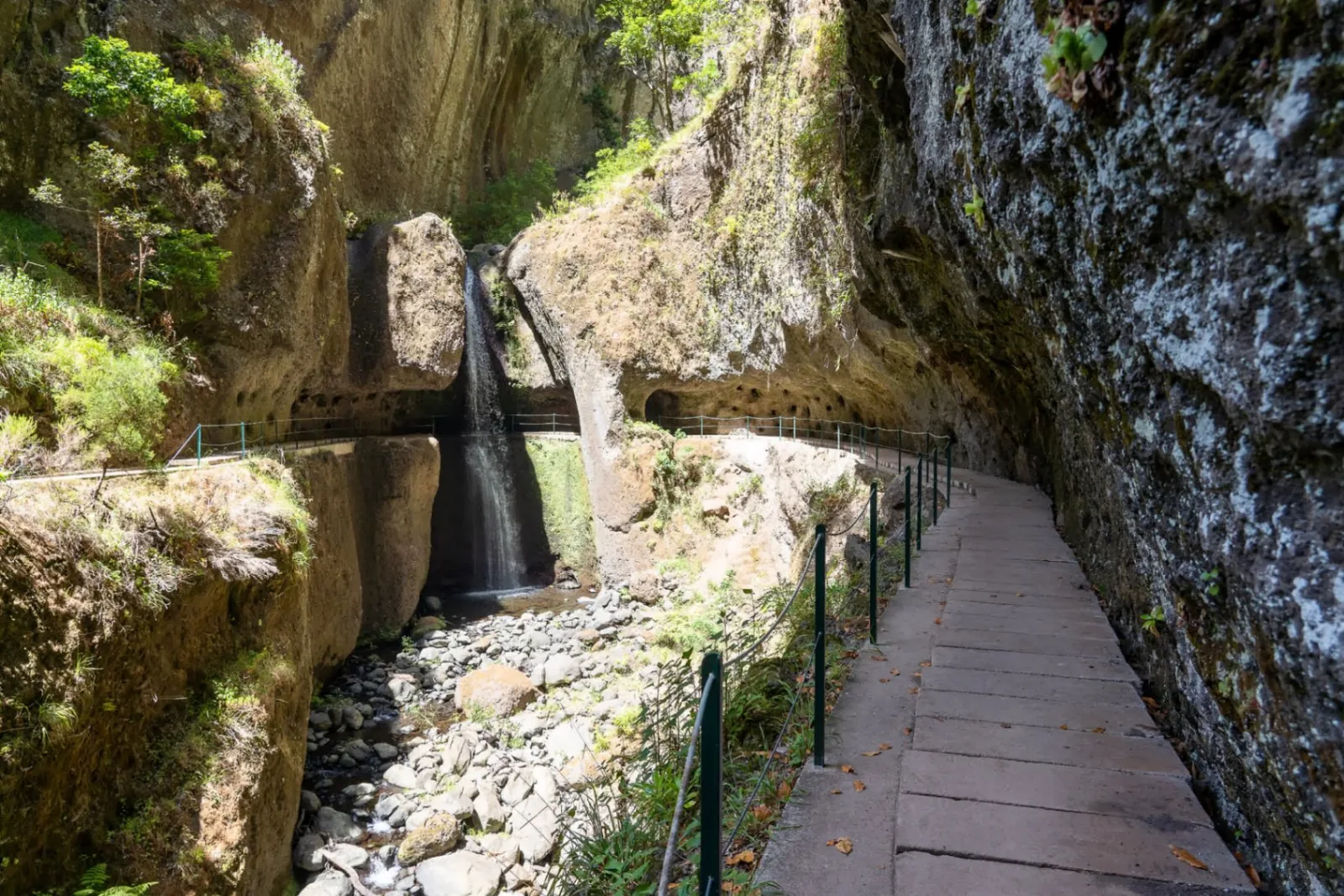
The best walking months are April to June and September to October: long days, mild temperatures and dry paths. In winter the waterfalls are at their most dramatic, but paths are wetter, the mountains can close in, and trails are shut after storms. The classified trails run by the forestry institute have charged visitors a fee since 2025, and since 2026 they also need a booked slot through the regional government's Simplifica portal: €4.50 for the standard routes, with children aged 12 and under exempt. The PR1 from Pico do Arieiro to Pico Ruivo reopened in full on 1 May 2026, at €10.50, and is one-way from the Pedra Rija viewpoint onwards, under what the forestry institute calls a phased reopening, so check the rules before you book. The official trail status page is the one to read the evening before. Our guide to the best levada walks has every route in detail.
Swimming
The sea is comfortable for most people from July to October, when it sits above 22°C; from January to April it stays around 18 to 19°C. The bathing season, with lifeguards, is set every year by the regional government: in 2026 it ran from 29 June to 30 September at Calheta and from 16 June to 27 September at Machico, while the natural lava pools at Porto Moniz had theirs from 15 April to 15 October and stay open all year. In Funchal the Lido and the other seafront complexes stay open through the winter with shorter hours, which is why our guide to the Lido quarter works in any month.
Whales and dolphins
Bottlenose dolphins and pilot whales live off the island all year, so a boat trip from Funchal makes sense in any month with calm seas. Some migratory species pass in particular seasons, but sightings are never guaranteed, and an honest operator will tell you so before you pay.
Flowers and gardens
Spring is the season: the jacarandas from the end of April into May, the Flower Festival in May, and the gardens above Funchal at their fullest. The gardens are worth it all year, though; Monte Palace simply closes an hour earlier, at 18:00, from October to March.
Crowds, prices and when to book
The regional statistics office publishes the numbers, and they correct a few myths. In 2025, tourist accommodation in the region, Madeira and Porto Santo together, recorded 12.7 million overnight stays. July and August were the peak, each above 1.3 million nights; January, December and February were the quietest, all near 800,000. September and October were not quiet at all: each was on a par with May and June.
Prices follow the same curve. The average daily rate in 2025, which excludes local lodging with fewer than 10 beds, went from €101.09 in January to €126.43 in April, €128.26 in May, €148.81 in August, €138.27 in September and €124.30 in October, and the first eight months of 2026 ran about 10% above the year before. The months with the best balance of weather and price are April, May and October; January and February are the cheapest, as long as you avoid the Carnival days.
Book early, months ahead rather than weeks, for New Year's Eve, Carnival, the Flower Festival parade weekends, Easter and August. Those dates fill the same things at once: rooms, hire cars and the most popular tours. Outside them, a few weeks' notice is usually enough.
What can go wrong: wind, storms and fire
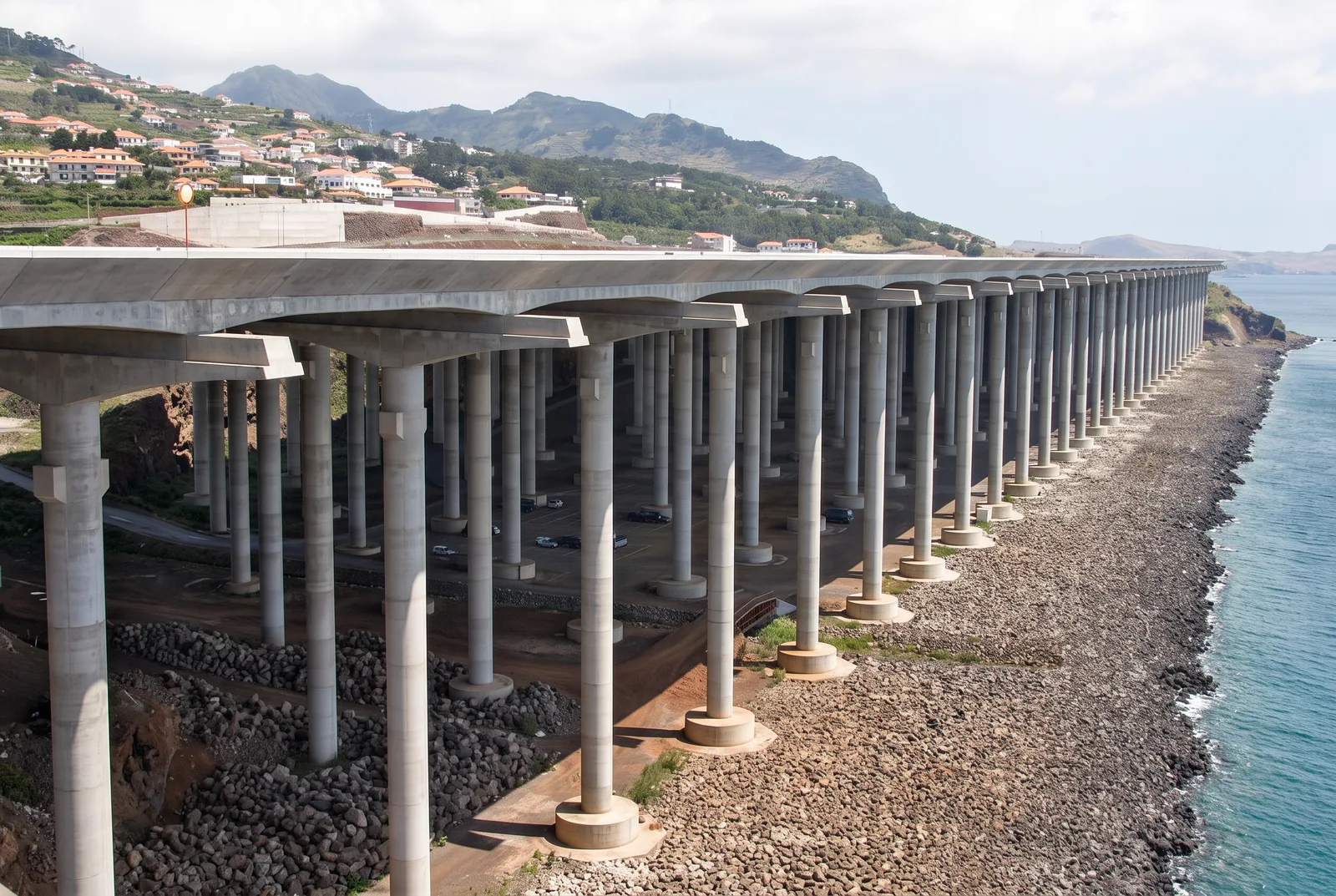
Madeira's airport sits on a cliff-edge runway exposed to the wind, and no month is free of the risk of delays or diversions. A study of wind restrictions at the airport found that the most severe and longest-lasting episodes come with strong north-easterly winds, which are more common in summer, while in winter restrictions come with both depressions and strong high-pressure systems. Recent examples come from winter and summer alike: more than 100 flights cancelled with depression Emília in mid-December 2025, more than 80 with depression Regina on 2 March 2026, and dozens in August 2024. Build a spare day into the end of a trip if your onward connection matters.
Winter storms bring the heaviest rain to the mountains, and trails close afterwards, sometimes for weeks. Summer brings the opposite risk: in August 2024 wildfires burned about 5,100 hectares in the mountains. In a few spells each year, usually between February and April or between August and October, a hot, dry easterly wind from Africa lifts the temperature for two or three days and can bring dust in the air. None of this is a reason to avoid a month; it is a reason to keep a day flexible and to read the forecast.
Frequently asked questions about the best time to visit Madeira
What is the best month to visit Madeira?
May, for most people: flowers, the Flower Festival, long dry days and walking weather. If swimming matters more, September, when the sea is at its warmest and the summer crowds have thinned.
Is Madeira warm in winter?
On the coast, yes by European standards: about 20 to 21°C by day and 14 to 15°C at night from December to March in Funchal. It is not beach weather every day, and the mountains are cold, with frost and the occasional snow on the summits.
What is the rainiest month in Madeira?
December in Funchal, with about 95 mm over 8 to 9 days, followed by October and November. The north coast and the mountains are much wetter than Funchal in every month.
When is the cheapest time to visit Madeira?
January and February outside Carnival, when rates are lowest and the island is quietest. October is the best value among the warm months.
Can you swim in Madeira in winter?
Yes, if you do not mind water around 18 to 19°C. The Funchal sea pools stay open through the winter, and on a sunny winter afternoon a swim is perfectly possible, just short.
Where to stay for any season
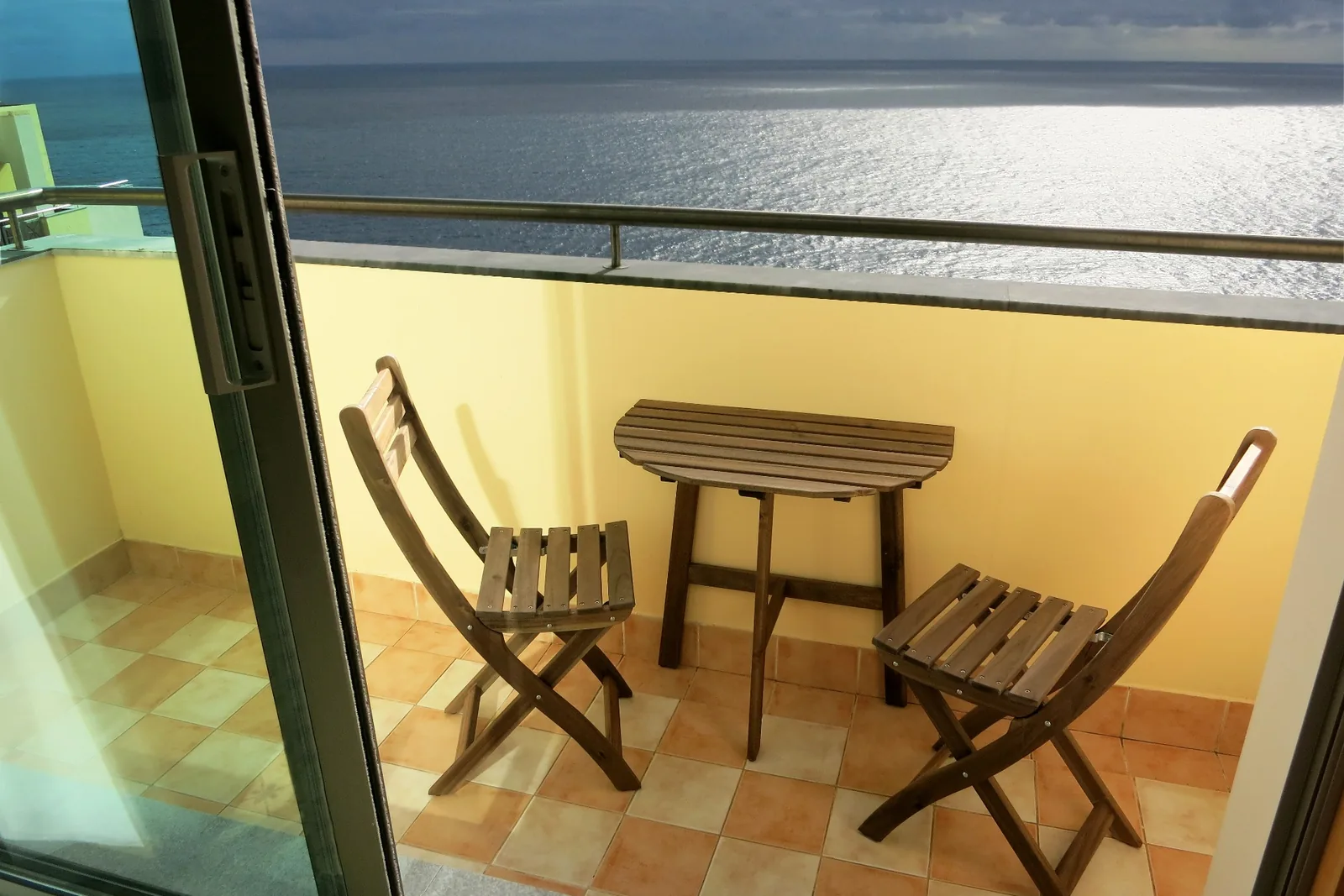
Whatever the month, Funchal is the base that makes the island work: the driest, warmest coast, the buses and the cable car on the doorstep, and the mountains less than an hour away when the forecast is right. Our beachfront penthouse sits in the Lido quarter, minutes from the sea pools that stay open all winter, and the downtown villa puts the city centre and the festival streets at the door, with the old town a short walk away. Our guide to where to stay in Madeira compares the areas, and all our homes in Madeira are on one page.