Things to do in Madeira: the 20 best places to see, from Funchal to the peaks
Miguel Filipe · 27 min read · Updated 27/Aug/2026
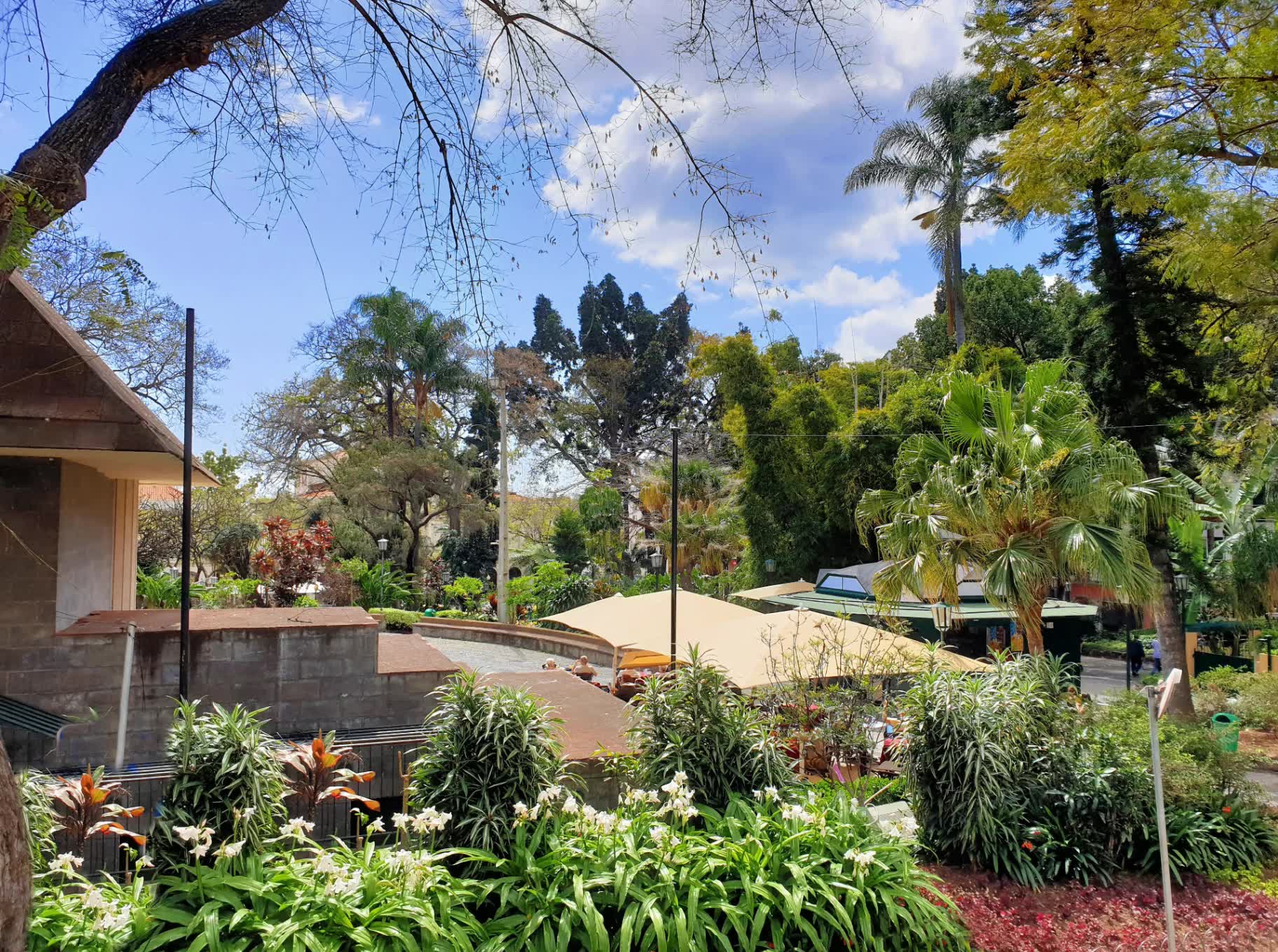
From the painted doors of Funchal's old town to sunrise above the clouds at Pico do Arieiro, this is the complete guide to Madeira's top sights, with verified 2026 prices, the new trail fee rules and a realistic 3-day itinerary.
Things to do in Madeira: how this guide is organised
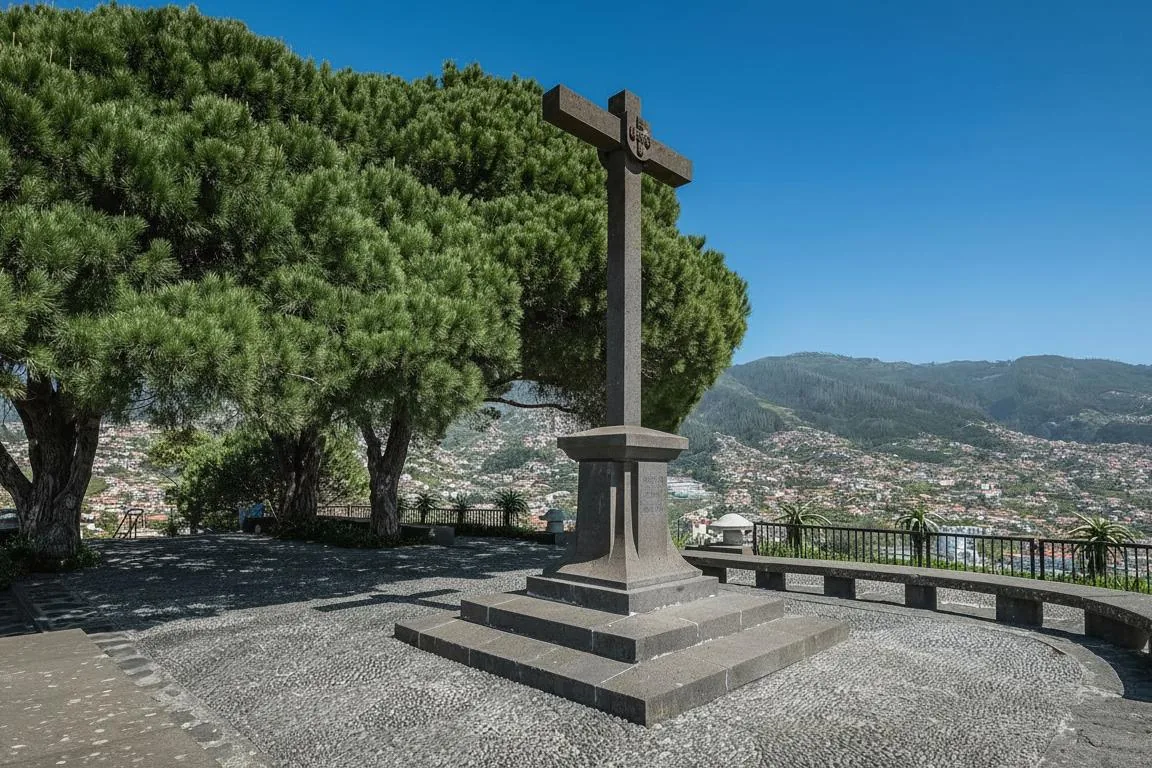
Madeira packs an absurd amount of scenery into 57 by 22 kilometres: Europe's steepest sea cliffs, a UNESCO-listed laurel forest, lava rock pools filled by the Atlantic, and a ridge that floats above the clouds. The catch is that all of it hangs off winding mountain roads, so a badly planned day evaporates into driving. This guide covers the twenty essential things to do in Madeira, with verified prices as of mid-2026, then a realistic 3-day itinerary.
Think of the island as five areas, and plan one area per outing.
- Funchal and Monte: sights 1 to 6. Funchal needs no car at all, and Monte hangs on the slope above it. One to two days.
- The west coast: sights 7 to 10. Câmara de Lobos, the Cabo Girão skywalk, Ponta do Sol and Calheta. Half a day, or a full one.
- The mountains and laurel forest: sights 11 to 15. Pico do Arieiro, Pico Ruivo, the levadas, Fanal and Curral das Freiras. The dramatic heart of the island.
- The north coast: sights 16 to 18. Porto Moniz, Seixal and Santana. Wilder and greener, under an hour through the tunnels.
- The east: sights 19 and 20. The Ponta de São Lourenço peninsula, Machico and the whale-watching boats. Best when clouds sit elsewhere.
One rule of 2026 first: Madeira charges non-residents for its classified hiking trails (€4.50 on most, €10.50 for the Pico do Arieiro to Pico Ruivo traverse), and a timed entry slot booked in advance at simplifica.madeira.gov.pt is mandatory. Children under 12 go free, and half of the twenty below, viewpoints, towns and the Fanal forest included, cost nothing.
The 20 best things to do in Madeira, area by area
Twenty sights in touring order, grouped so each block is one outing. Every entry ends with the facts that decide a day.
Start in the capital: six of the twenty are in Funchal and Monte, all reachable on foot or by cable car.
1. Funchal old town and its painted doors
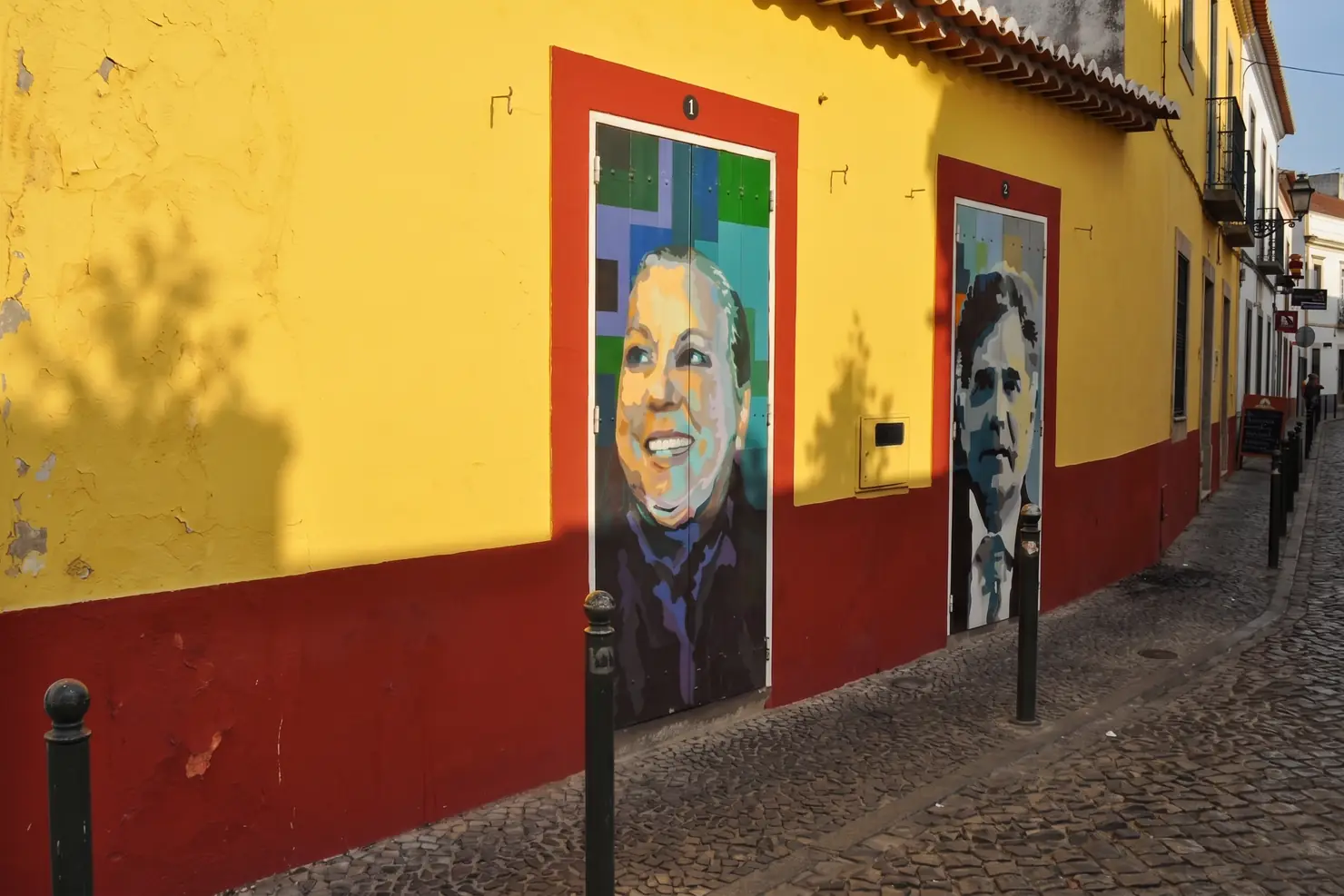
Funchal's Zona Velha is the city's oldest quarter, and since 2011 an open-air gallery: the Arte de Portas Abertas project has painted around 200 doors along Rua de Santa Maria and its alleys. Anchor the walk on the 15th-century Capela do Corpo Santo and finish at the ochre walls of the São Tiago fortress. The quieter, better-preserved doors are at the eastern end, towards Barreirinha, where our Downtown villa sits.
- Where: the old town, in central Funchal (map).
- Cost: free.
- Hours: always open.
- Time needed: a morning, walked without a plan.
- Best time: before 10:30, before the terraces cover the doors.
- Book: no.
2. Mercado dos Lavradores
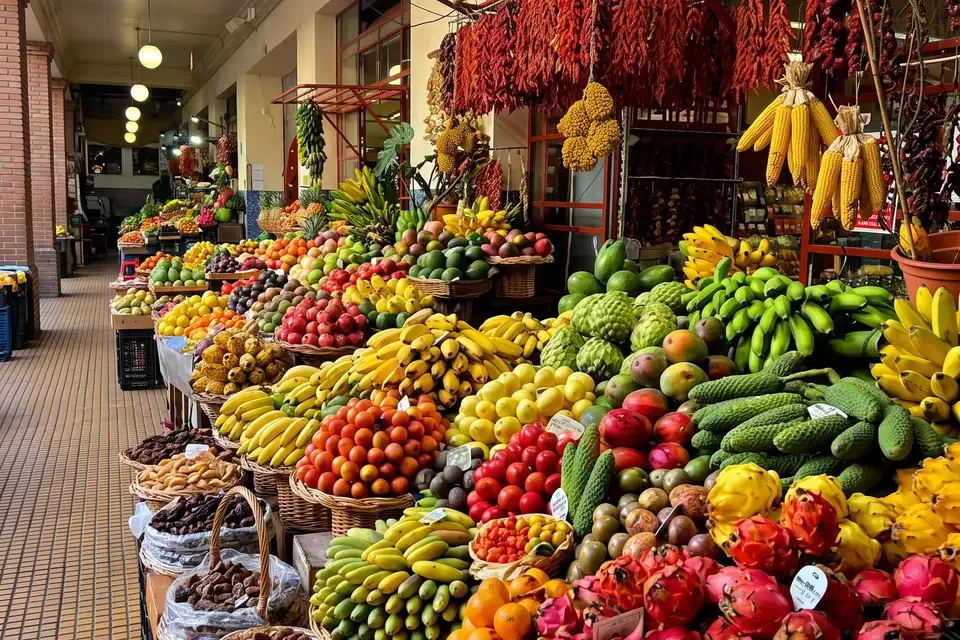
The farmers' market of 1940, with its azulejo panels and Estado Novo architecture, is where Madeira shows off: flower sellers, pyramids of tropical fruit, and a downstairs hall of whole espada, the black scabbard fish on every island menu. One honest warning: the upstairs fruit stalls offer free tastings, then charge startling prices, sometimes €30 for a few pieces. Buy yours in a supermarket; our Funchal food guide covers eating nearby.
- Where: five minutes on foot from the old town (map).
- Cost: free to walk in.
- Hours: Monday to Friday 07:00 to 19:00, Saturday 07:00 to 14:00, closed Sundays and holidays.
- Time needed: 45 minutes.
- Best time: Friday morning, the liveliest.
- Book: no.
- Skip if: a hard sell spoils your morning.
3. The Monte cable car and Monte Palace tropical garden
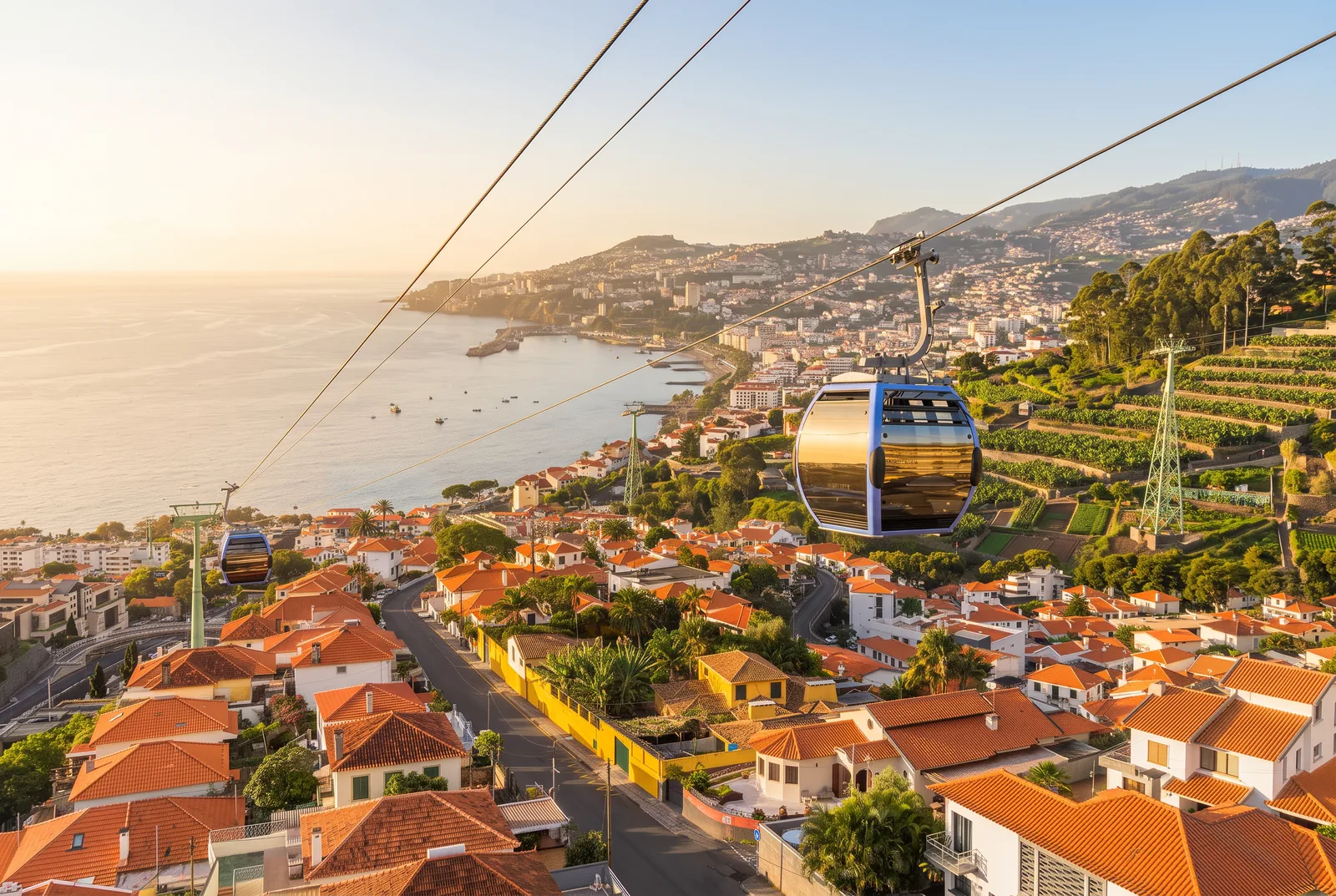
The Teleférico do Funchal lifts you from the old town to the hillside parish of Monte in 15 minutes. At the top, the Monte Palace tropical garden spreads 70,000 square metres of Japanese-inspired terraces, koi lakes and cycads down a steep hillside, so enter at the top gate and work downhill. Two minutes away, the church of Nossa Senhora do Monte holds the tomb of Karl I, the last Emperor of Austria, who died in exile here in 1922.
- Where: Monte, above Funchal, 15 minutes up by cable car (map).
- Cost: cable car €16 one way, €22 return; Monte Palace €18.
- Hours: cable car daily 08:45 to 17:45, garden 09:00 to 19:00 from April to September, to 18:00 in winter.
- Time needed: half a day for both.
- Best time: around 09:00, before the cruise-ship queues.
- Book: no.
4. The wicker toboggan ride
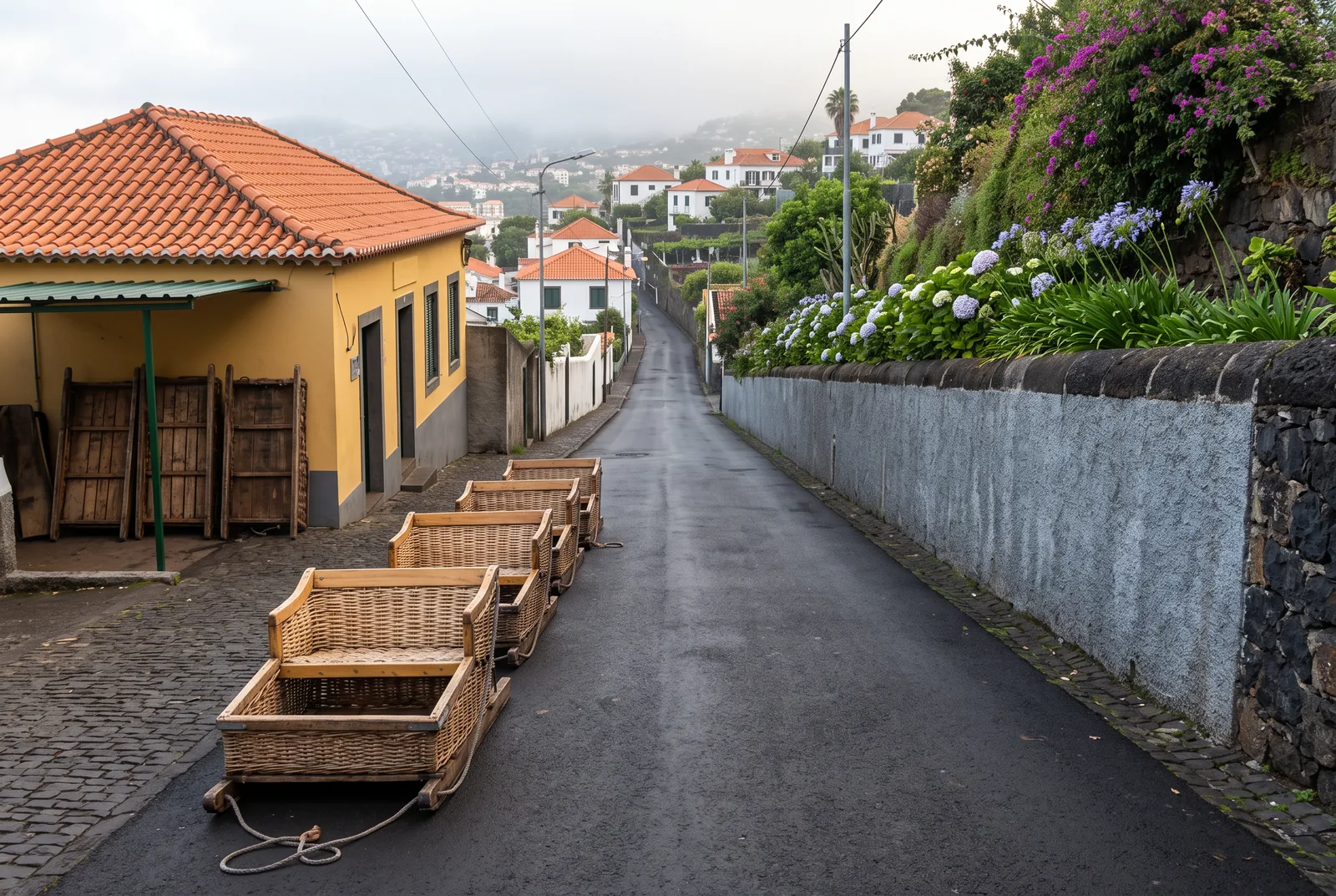
Monte's other export is the carros de cesto: wicker basket sledges on wooden runners, steered by two carreiros in white linen and straw boaters, as they have been since the 1850s. It is genuinely fun rather than terrifying, and the two-kilometre run ends in Livramento, not central Funchal, so agree the taxi fare before getting in, or walk the rest.
- Where: Monte, starting below the church steps (map).
- Cost: €30 for one, €40 for two, €60 for three.
- Hours: Monday to Saturday, 09:00 to 18:00.
- Time needed: ten minutes, plus the queue.
- Best time: after the garden, on the way down.
- Book: no, and bring cash.
5. Madeira botanical garden
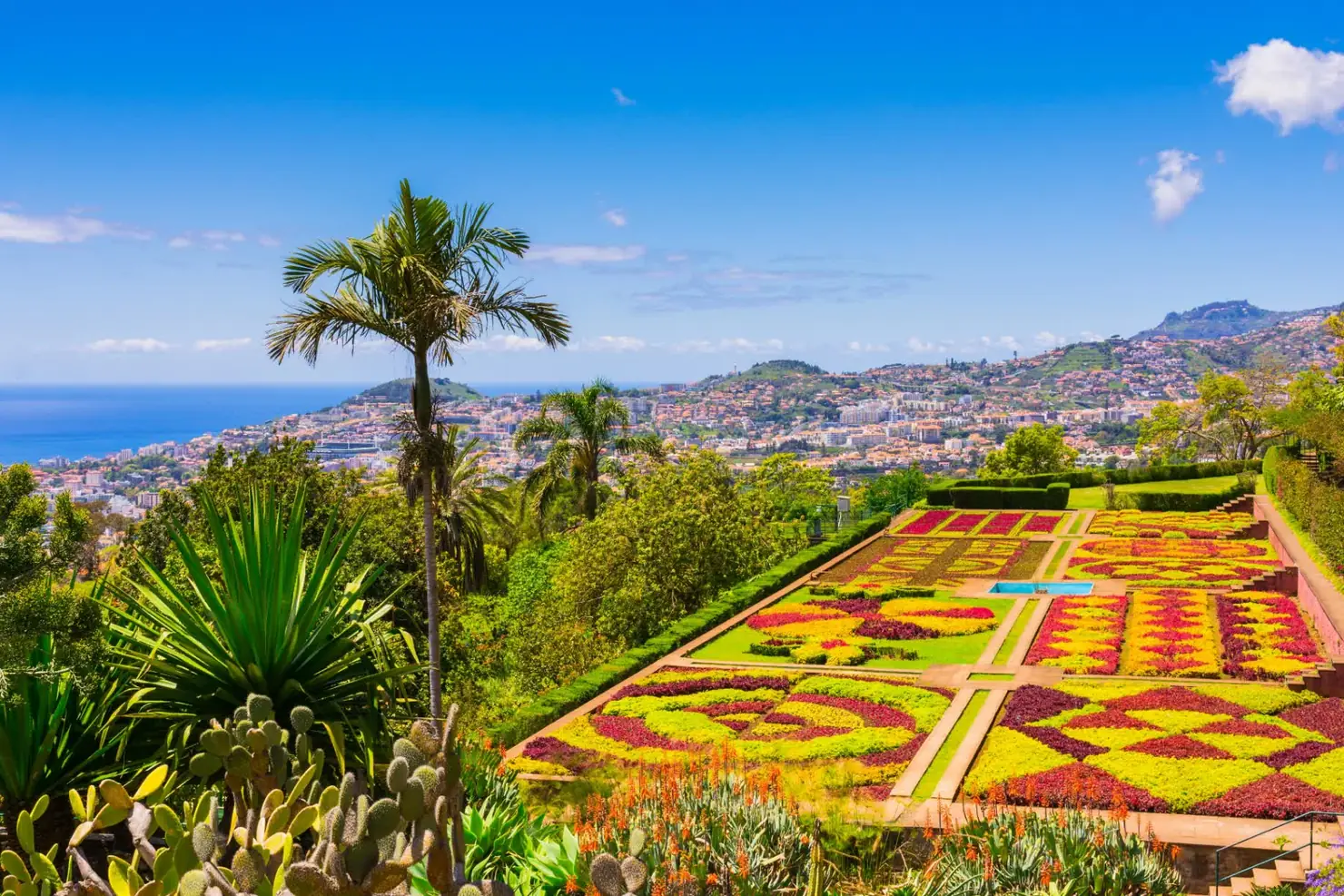
On terraces at 300 metres with the best formal-garden panorama over Funchal bay, the Jardim Botânico gathers more than 2,000 plants, strong on Madeiran endemics, with the famous carpet-bedding parterre. The clever route: cable car to Monte, the palace garden, then the separate botanical garden cable car across the valley and bus 31 back. See also the Quinta da Falésia, a quieter cousin.
- Where: the terraces above Funchal, across the valley from Monte (map).
- Cost: €10 for over 12s since January 2026, €3 for ages 6–12, under 6 free. Garden cable car €11 one way, €16 return, or €19 one way with garden entry.
- Hours: daily 09:00 to 17:30.
- Time needed: two hours.
- Best time: late morning, after Monte Palace.
- Book: no.
6. The Lido promenade and Funchal's ocean pools
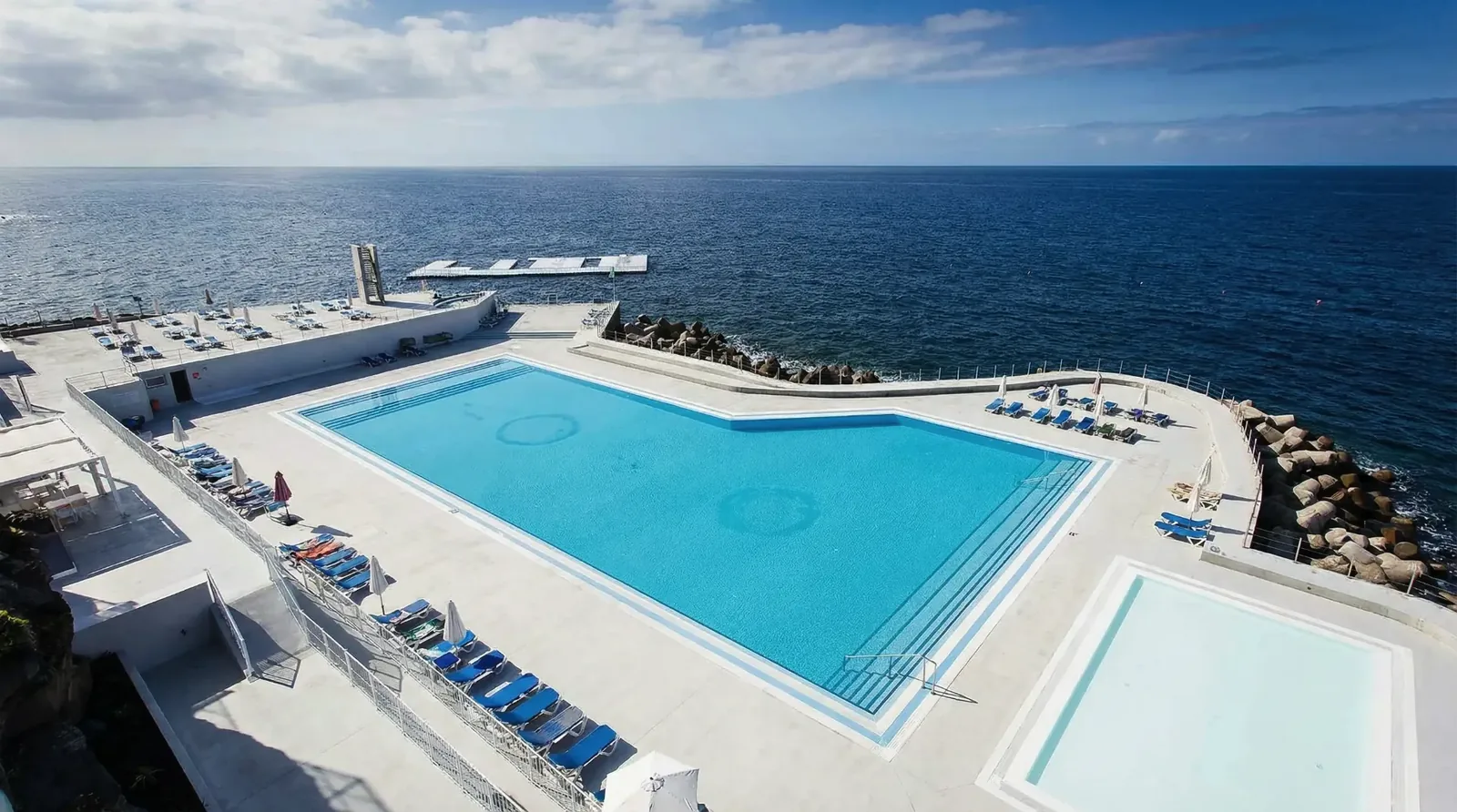
Funchal's swimming culture happens along the Estrada Monumental, on the Passeio Público Marítimo. Doca do Cavacas is a pocket of natural volcanic rock pools; Ponta Gorda, known to locals as Poças do Governador, is the bigger complex with saltwater pools and sun decks. Doca do Cavacas is tiny and fills by noon in summer. This is the doorstep of our Beachfront penthouse, and our Lido guide covers the strip.
- Where: the Estrada Monumental, ten minutes west of the centre (map).
- Cost: €6 day ticket for the municipal complexes in 2026.
- Hours: Lido and Ponta Gorda 08:30 to 20:00 in season, Doca do Cavacas from 10:00.
- Time needed: half a day.
- Best time: at opening, before Doca do Cavacas fills.
- Book: no.
West of Funchal now: four sights along the sunniest coast, an easy half day, or a full one with the sunset.
7. Câmara de Lobos
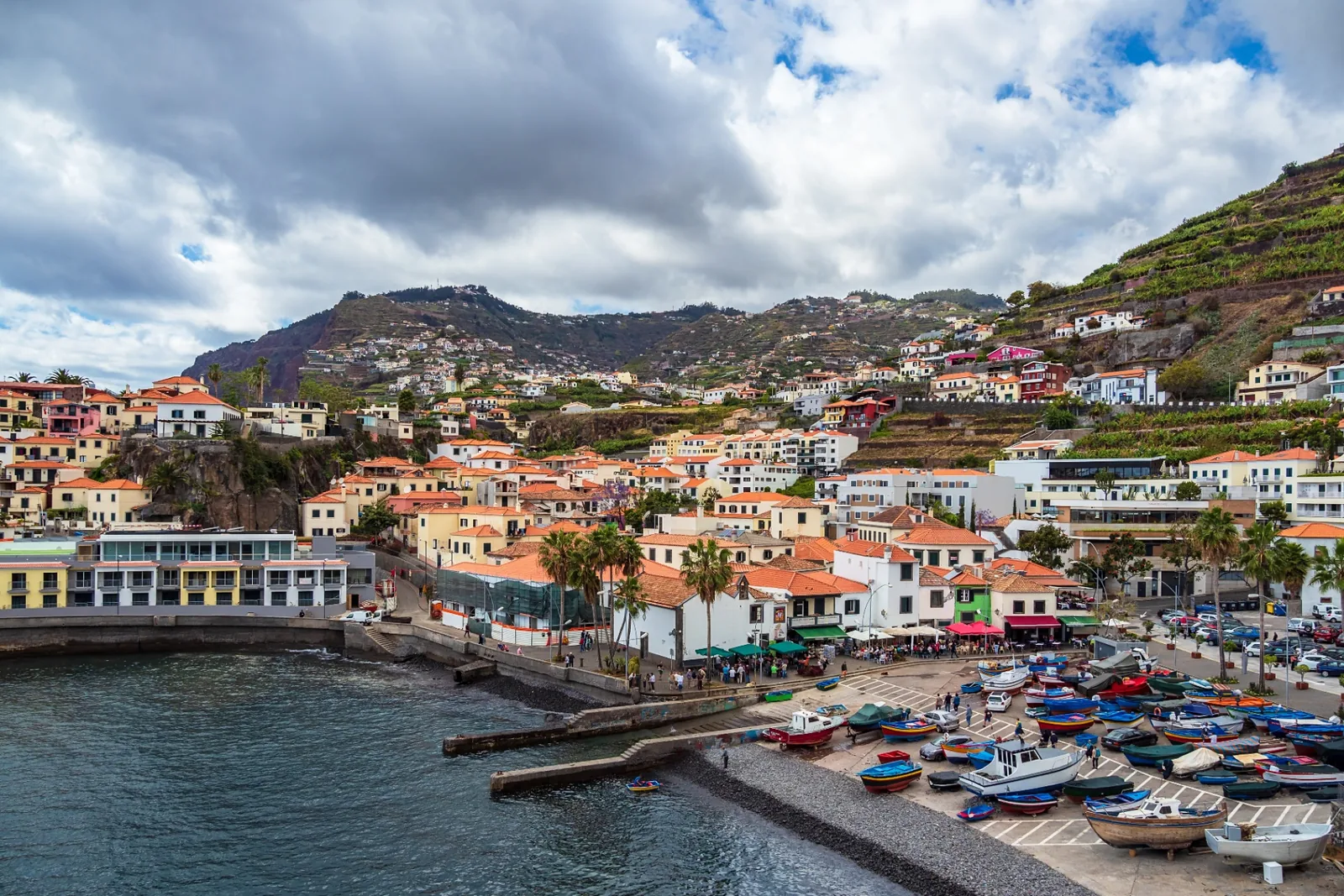
The working fishing village where Winston Churchill set up his easel in 1950, and where poncha, the island's rum, honey and lemon cocktail, was born as fishermen's fuel. Painted xavelha boats haul up on the bay, and the bars around the old drydock pour the definitive version, better at a scruffy local bar than on a harbourfront terrace: same drink, half the price. Then espetada, the laurel-skewered beef, up the hill in Estreito de Câmara de Lobos.
- Where: the coast, fifteen minutes west of Funchal (map).
- Cost: free, and a poncha is a few euros.
- Hours: always open.
- Time needed: an hour or two, an evening with dinner.
- Best time: late afternoon into dinner.
- Book: no.
8. Cabo Girão skywalk
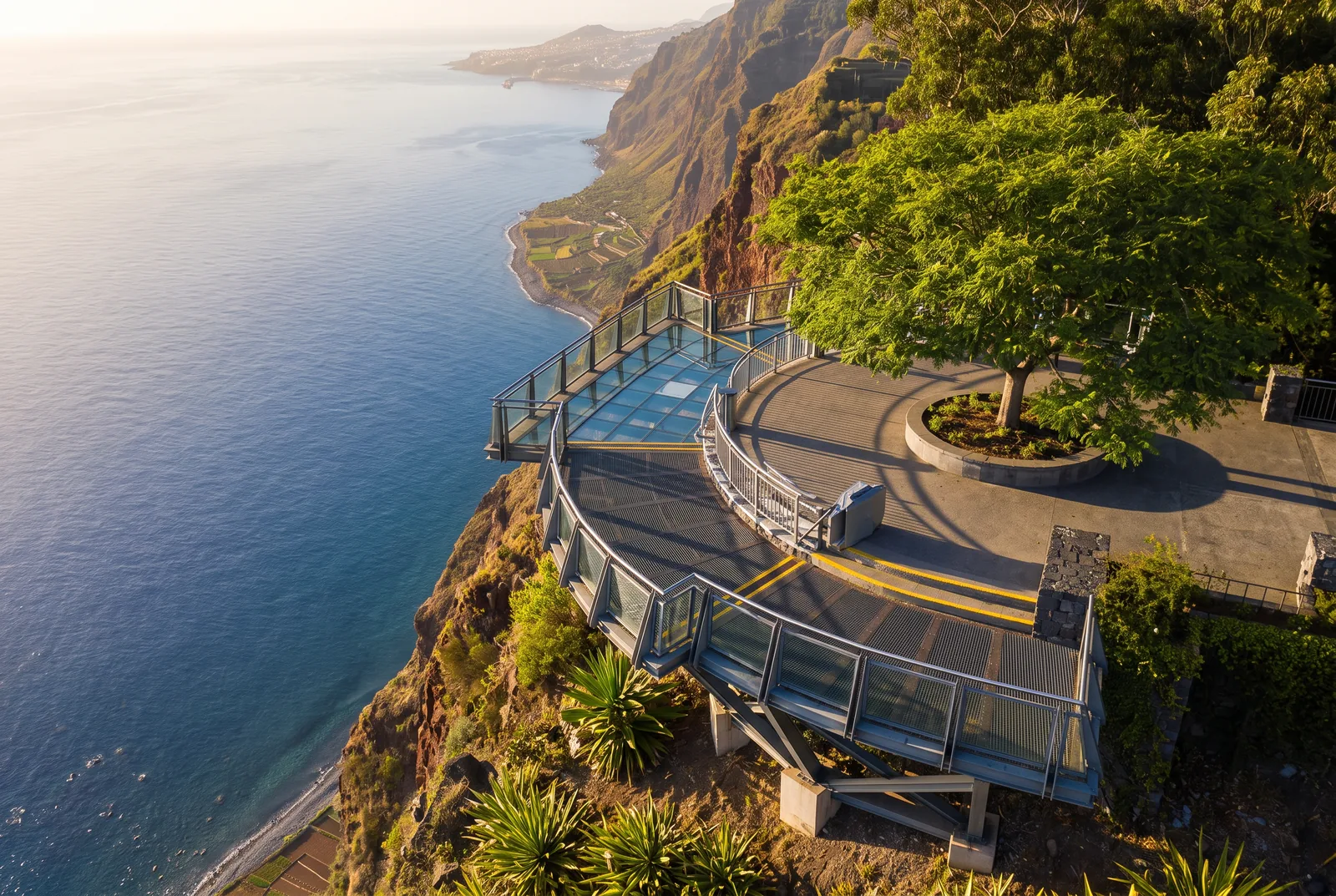
A glass-floored platform juts out from one of Europe's highest sea cliffs at 580 metres, looking straight down onto the fajãs, the tiny cliff-foot farm terraces. Clouds tend to sit on the cliff by late morning in summer, and if it is fogged in, wait fifteen minutes, it clears fast. It pairs with Câmara de Lobos below, and features in our guide to Madeira's best viewpoints.
- Where: above Câmara de Lobos, 25 minutes from Funchal (map).
- Cost: €5 for non-residents over 12 since January 2026, under 12s free.
- Hours: daily 08:00 to 20:00.
- Time needed: half an hour.
- Best time: before 10:00, or towards sunset.
- Book: no.
9. Ponta do Sol
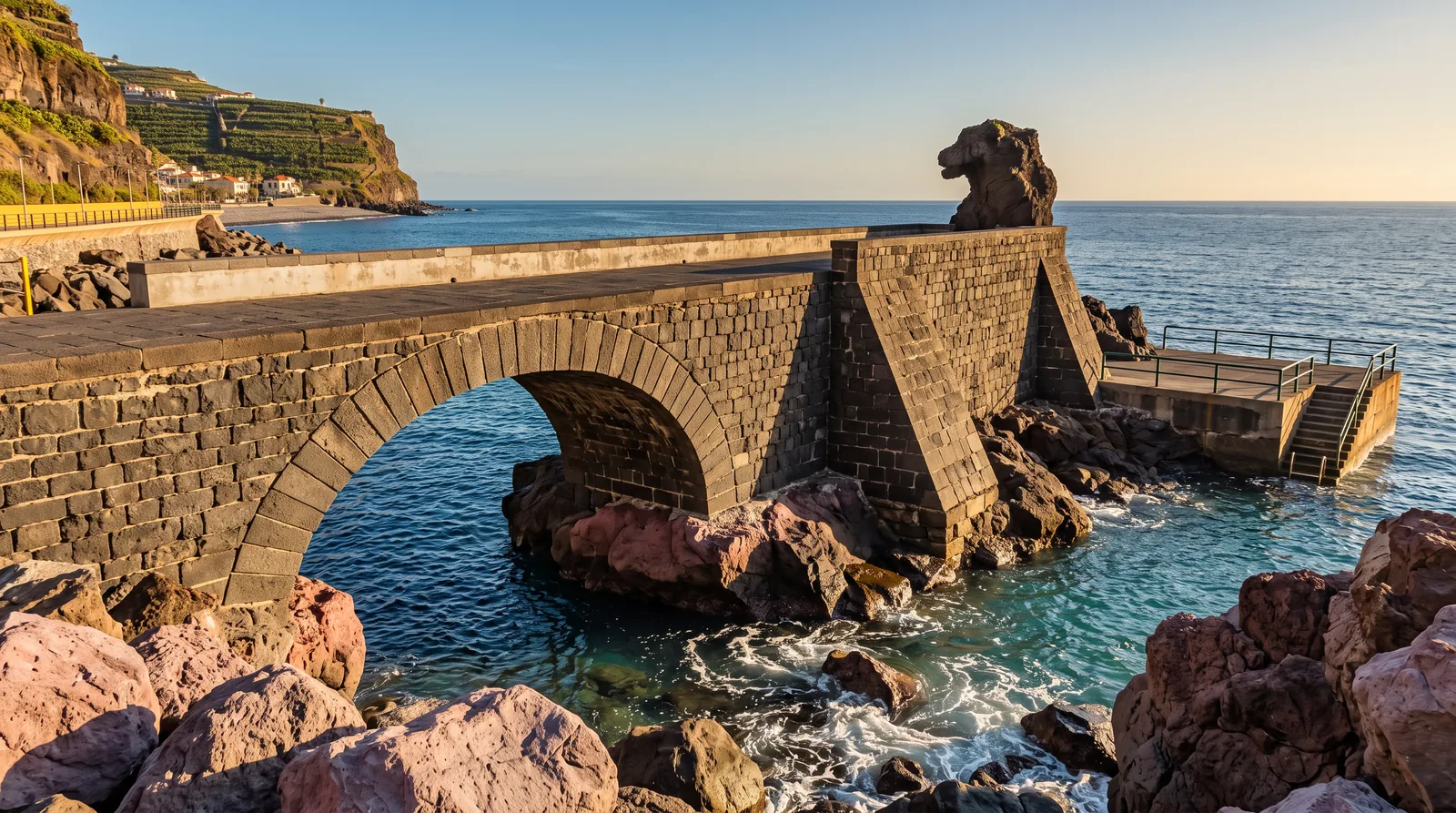
The name means sun point, and the statistics back it up: this compact historic village is the sunniest spot on the island, and its easiest great sunset, watched from the pebble beach as the light drops behind the pier. Just west, on the closed old coastal road, the Anjos waterfall pours onto the abandoned tarmac. Ponta do Sol also hosts the Digital Nomad Village, here since 2021.
- Where: the west coast, 25 minutes from Funchal (map).
- Cost: free.
- Hours: always open.
- Time needed: an evening.
- Best time: the last hour before sunset.
- Book: no.
10. Calheta's golden beach
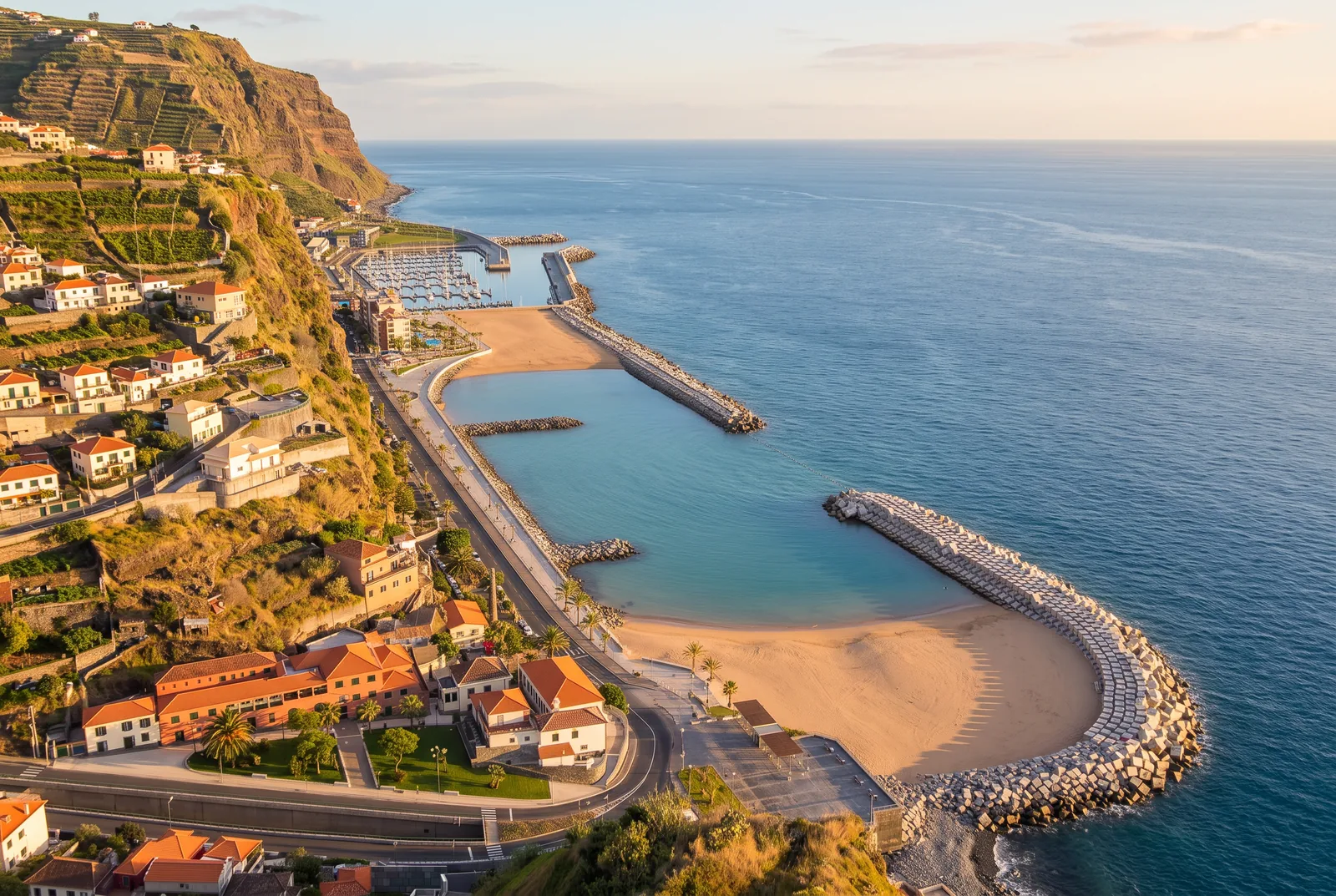
Madeira's volcanic coast means dark pebbles almost everywhere, so the golden sand at Calheta, imported and sheltered behind breakwaters in 2004, is the island's honest, engineered answer to a family beach day. The water inside the arms is calm, and this quadrant is often bright when Funchal sits under its cloud cap. The Engenho da Calheta rum mill and the Mudas art centre give the afternoon some culture.
- Where: the west coast, about 35 minutes from Funchal on the VE3 (map).
- Cost: free to use the beach.
- Hours: daylight.
- Time needed: half a day with the rum mill.
- Best time: any day Funchal wears its cloud cap.
- Book: no.
- Skip if: you came for wild coastline, this beach is engineered.
Inland next, to the Madeira people remember: five sights in the mountains and the laurel forest.
11. Pico do Arieiro at sunrise
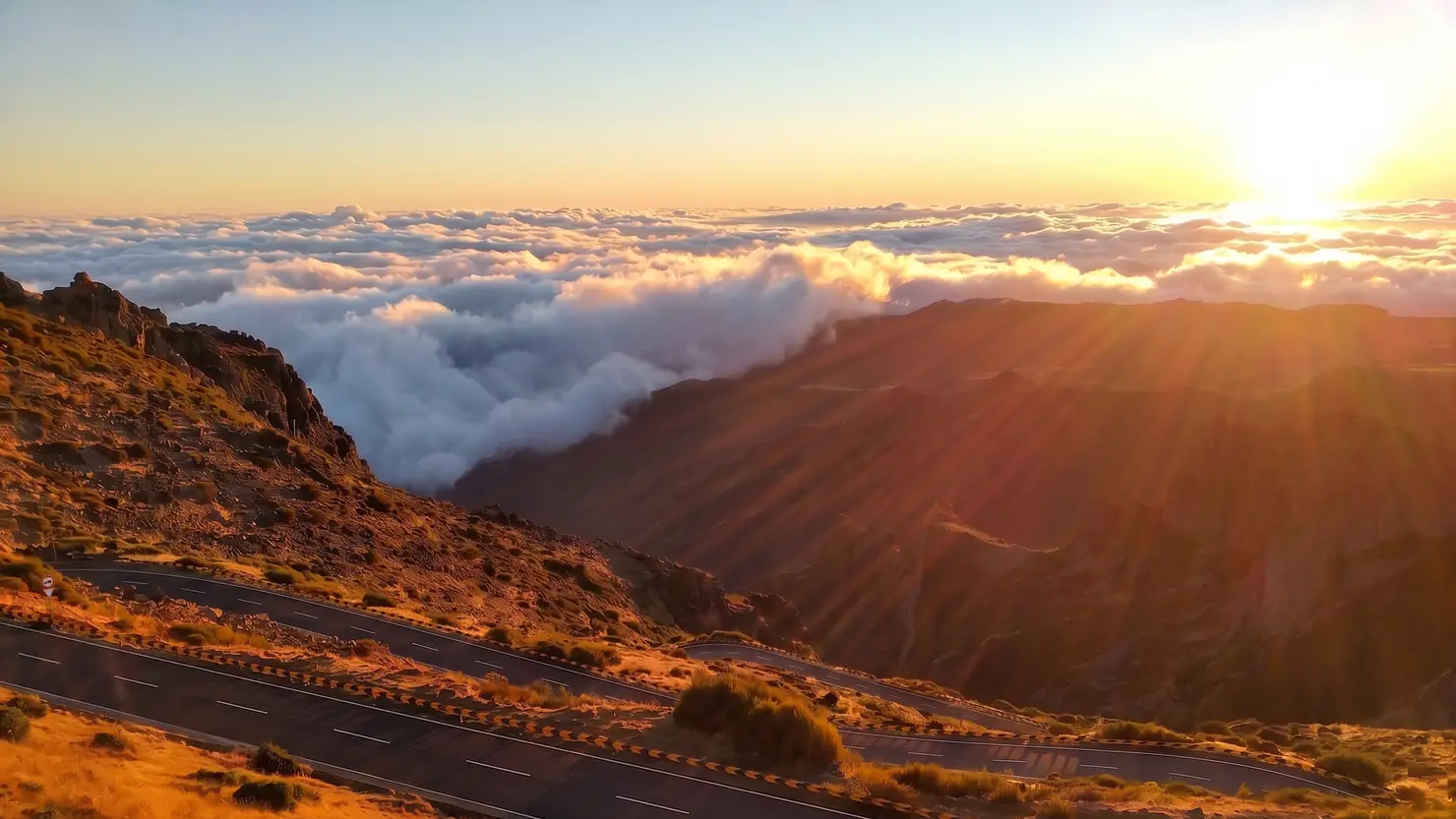
Madeira's third-highest peak, at 1,818 metres, is the only one you can drive to: arrive before dawn and watch the light come up over a sea of clouds with the ridge to Pico Ruivo sawing through it. It is routinely 10 to 15 degrees colder than Funchal, with real wind, so bring a proper jacket, a hat and a headlamp. If Funchal is overcast, do not assume the summit is: the webcams settle it before you drive.
- Where: the central mountains, about 45 minutes from Funchal (map).
- Cost: free; only the onward trail is ticketed. Parking became paid in 2025, at €4 an hour.
- Hours: always open.
- Time needed: two hours with the drive up.
- Best time: 45 minutes before sunrise.
- Book: no, unless you continue onto PR1.
12. Pico Ruivo, the roof of Madeira
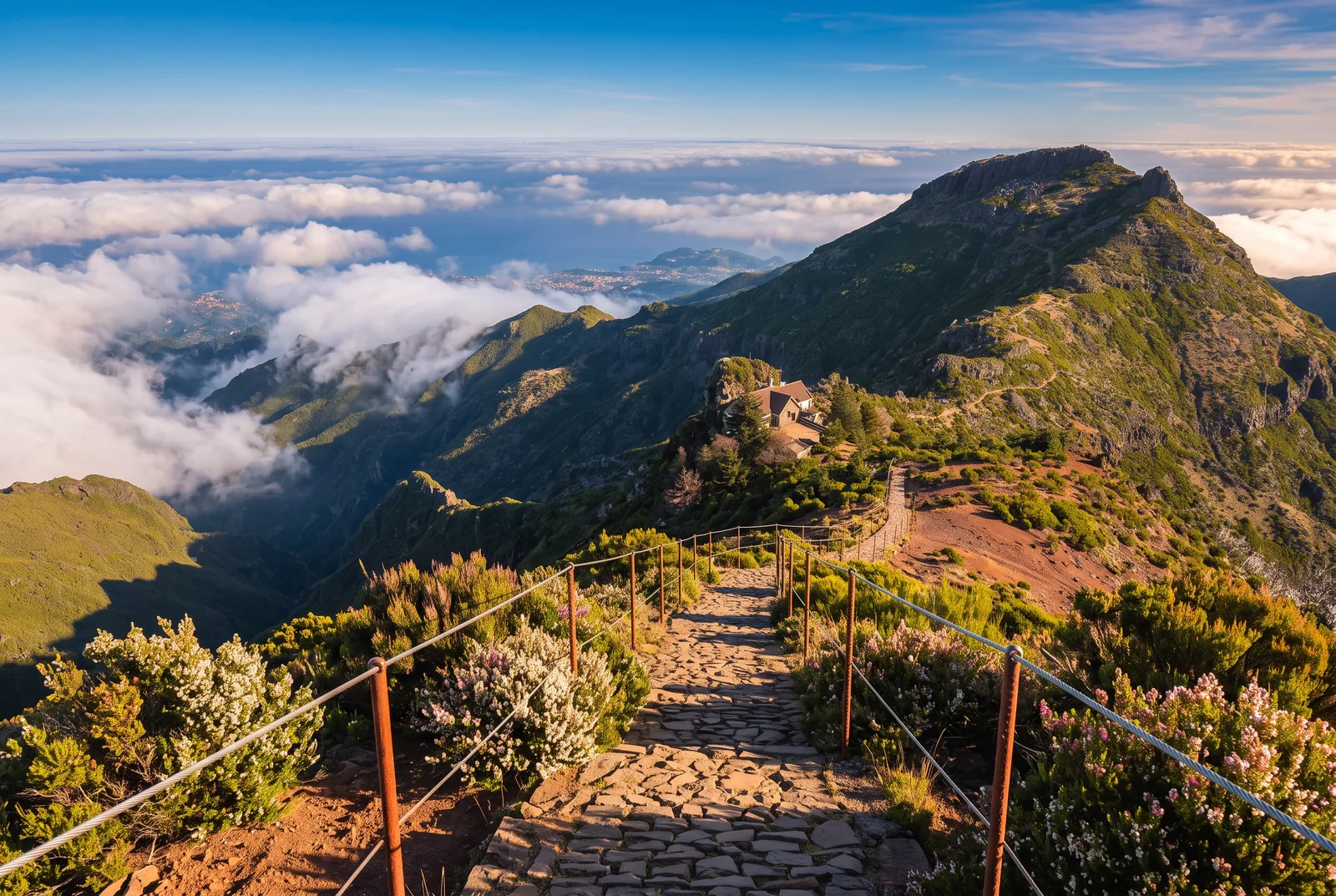
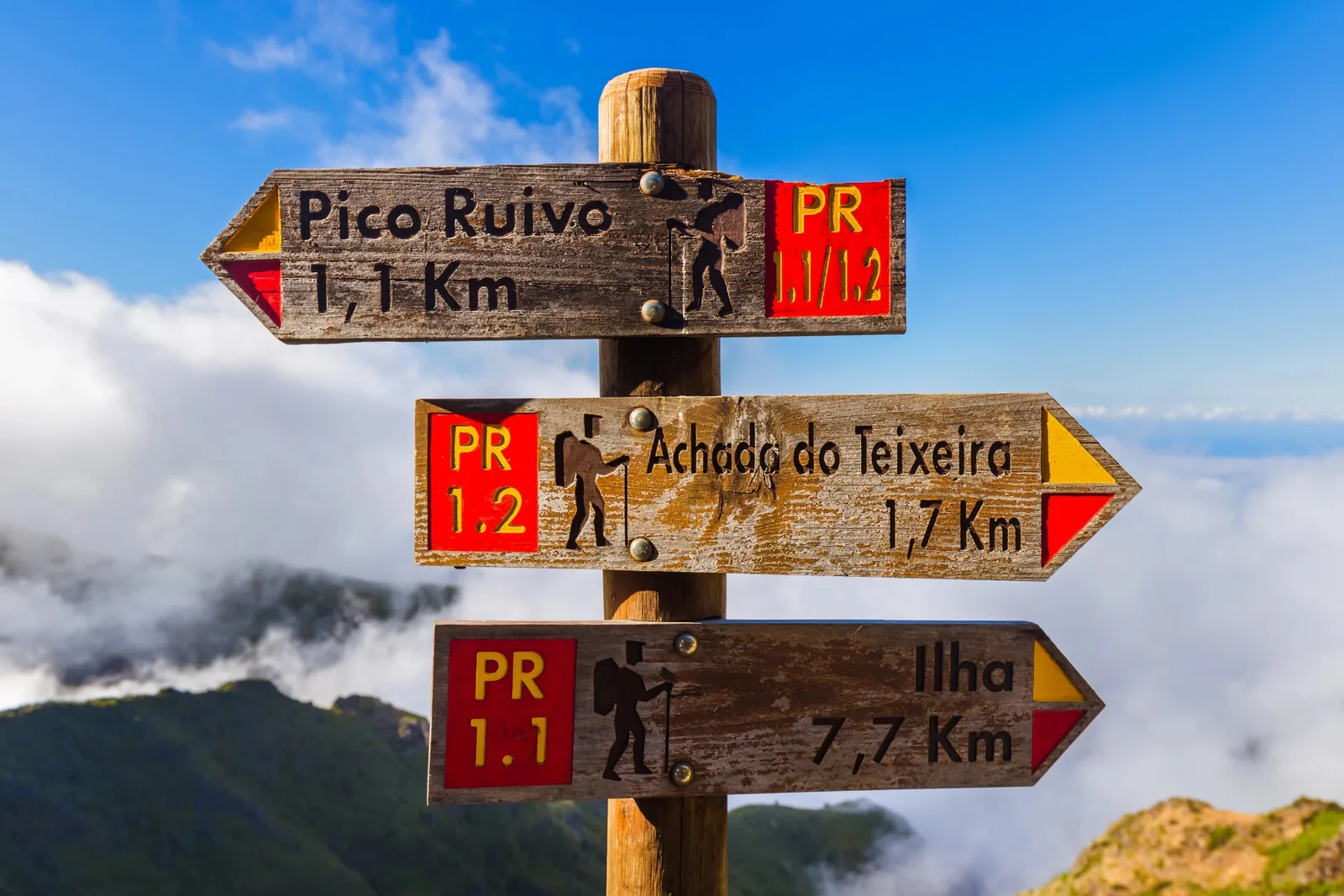
Madeira's highest point, 1,862 metres, has two approaches. The famous one is trail PR1 from Pico do Arieiro, the stairway to heaven, a knife-edge traverse through hand-carved tunnels. It reopened in April 2026 after a 20-month closure following the 2024 wildfire, and now runs one way only, Arieiro to Ruivo, with the descent to Achada do Teixeira on PR1.2, so transport must be arranged at the far end. Most visitors should take PR1.2 from Achada do Teixeira, a steady 2.8-kilometre paved climb to the same panorama, on clear days as far as Porto Santo, without the exposure.
- Where: the central ridge, from Pico do Arieiro or Achada do Teixeira (map).
- Cost: €10.50 for the PR1 traverse, €4.50 for PR1.2 alone, under 12s free.
- Hours: daylight, within your booked slot.
- Time needed: about 90 minutes on PR1.2, most of a day on PR1.
- Best time: early, because clouds swallow the summit from late morning.
- Book: yes, a mandatory timed slot, days ahead in summer.
13. The levadas: 25 Fontes, Caldeirão Verde and Balcões
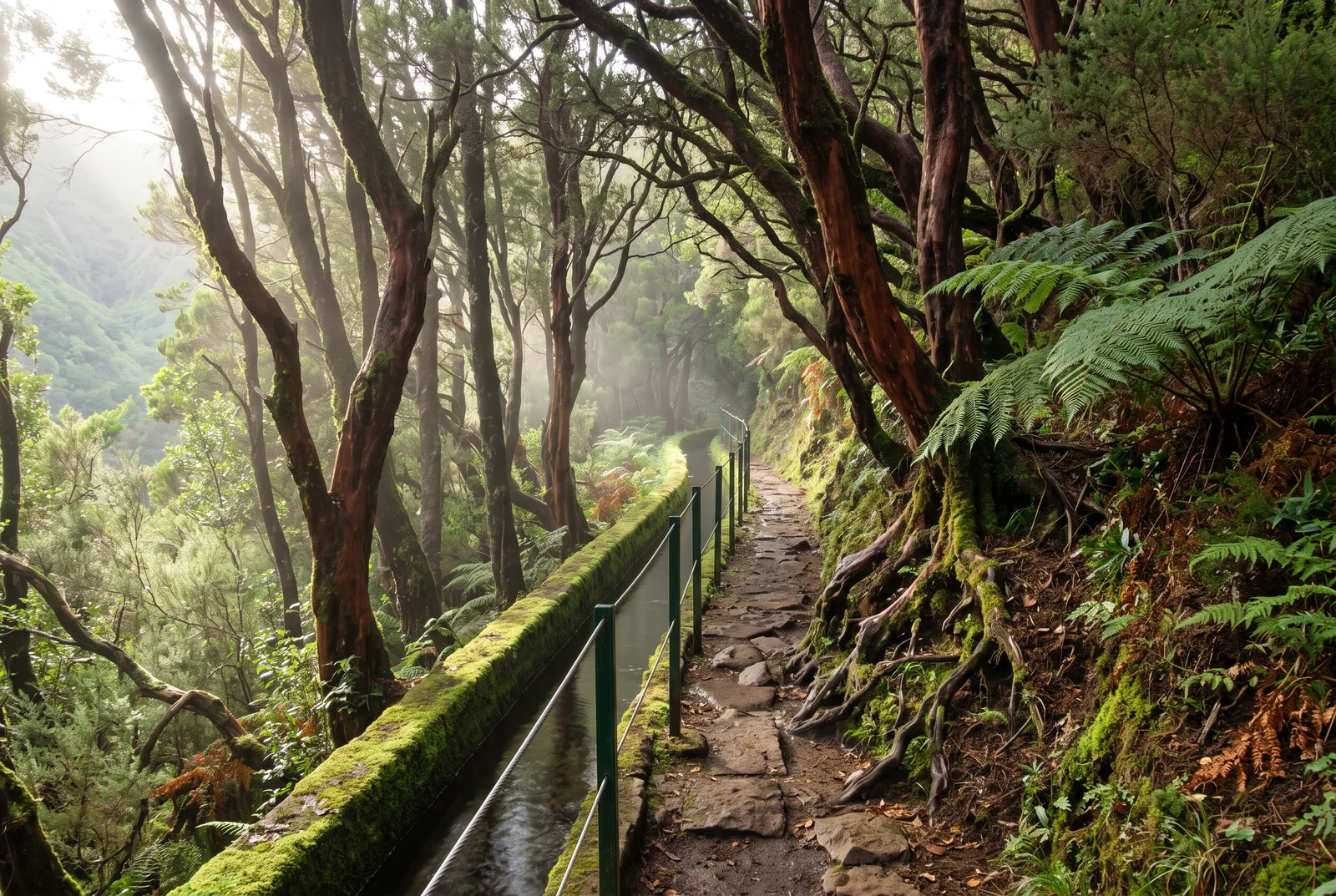
The levadas, Madeira's centuries-old irrigation channels, have maintenance paths that are among Europe's best walking. Three cover the range: Levada das 25 Fontes (9 km) ends in a mossy amphitheatre of spring-fed threads above a green pool; Levada do Caldeirão Verde (17 km round trip) is the jungle epic, four dripping tunnels to a 100-metre waterfall, headlamp mandatory; and Vereda dos Balcões at Ribeiro Frio is the reward-per-effort champion, a flat 3-kilometre round trip to a balcony over the central peaks. 25 Fontes has a one-way section that is currently open in both directions, check the trail sheet before you go, and a shuttle runs from the Rabaçal car park, and our complete levada walks guide has routes and kit.
- Where: Rabaçal in the west, Santana in the north, Ribeiro Frio in the centre (map).
- Cost: €4.50 each, all three classified trails, under 12s free.
- Hours: daylight, within your booked slot.
- Time needed: 90 minutes for Balcões, half a day for 25 Fontes, a day for Caldeirão Verde.
- Best time: early morning, before the cloud builds.
- Book: yes, a slot for each trail.
14. Fanal forest in the fog
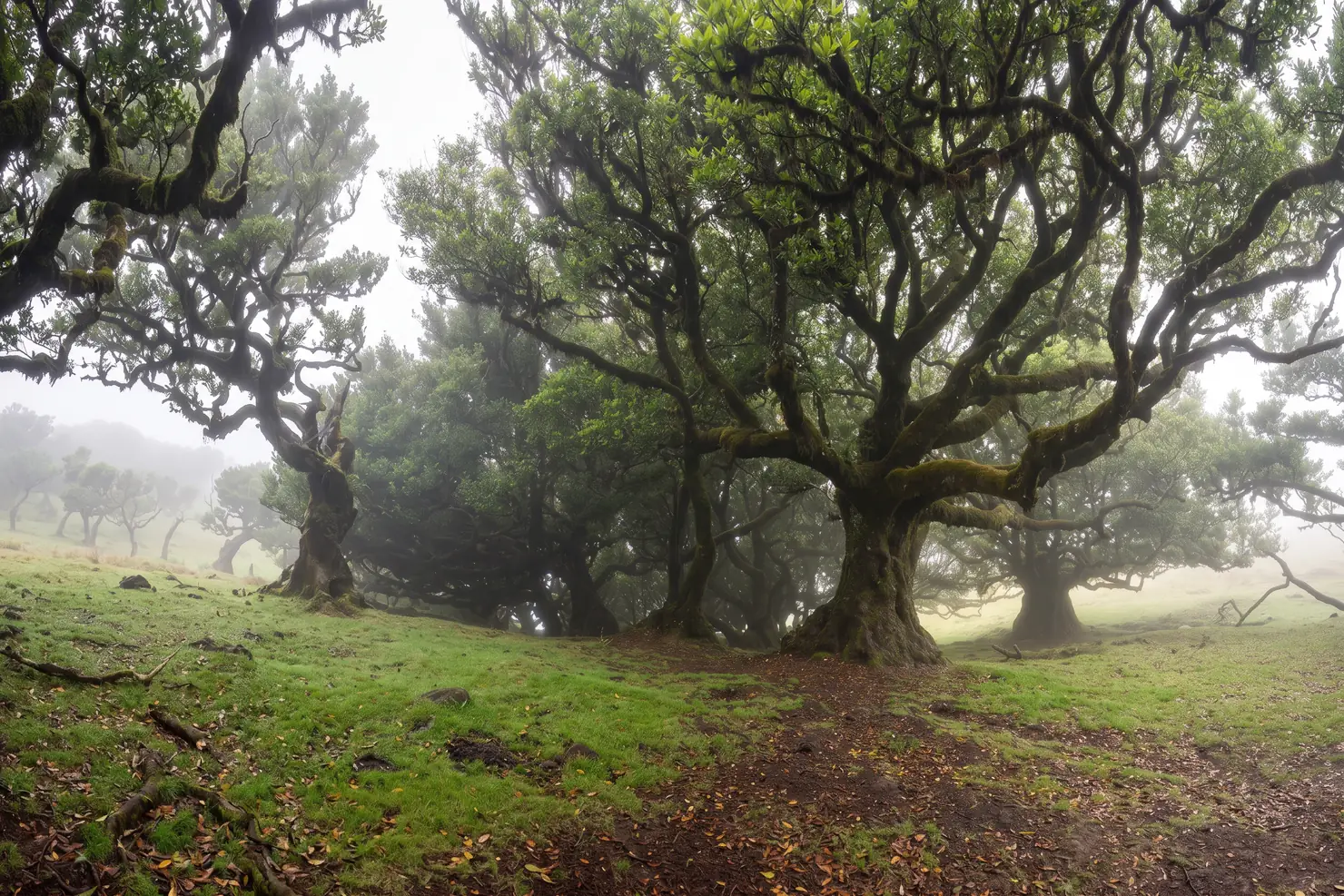
On the north rim of the Paul da Serra plateau, a pasture dotted with 500-year-old twisted til trees is Madeira's most otherworldly sight, and the only one where you should hope for bad weather: when the fog rolls through, which it does most days, the ancient laurels turn into silhouettes from a fairy tale. Park at the picnic area on the ER209; if it is clear, wait fifteen minutes. This is the most accessible face of the laurisilva, UNESCO listed in 1999.
- Where: the north rim of the Paul da Serra plateau, about an hour from Funchal (map).
- Cost: free.
- Hours: always open.
- Time needed: an hour or two, a morning for photographers.
- Best time: early morning, when the north-side forecast shows low cloud.
- Book: no.
15. Curral das Freiras and the Eira do Serrado viewpoint
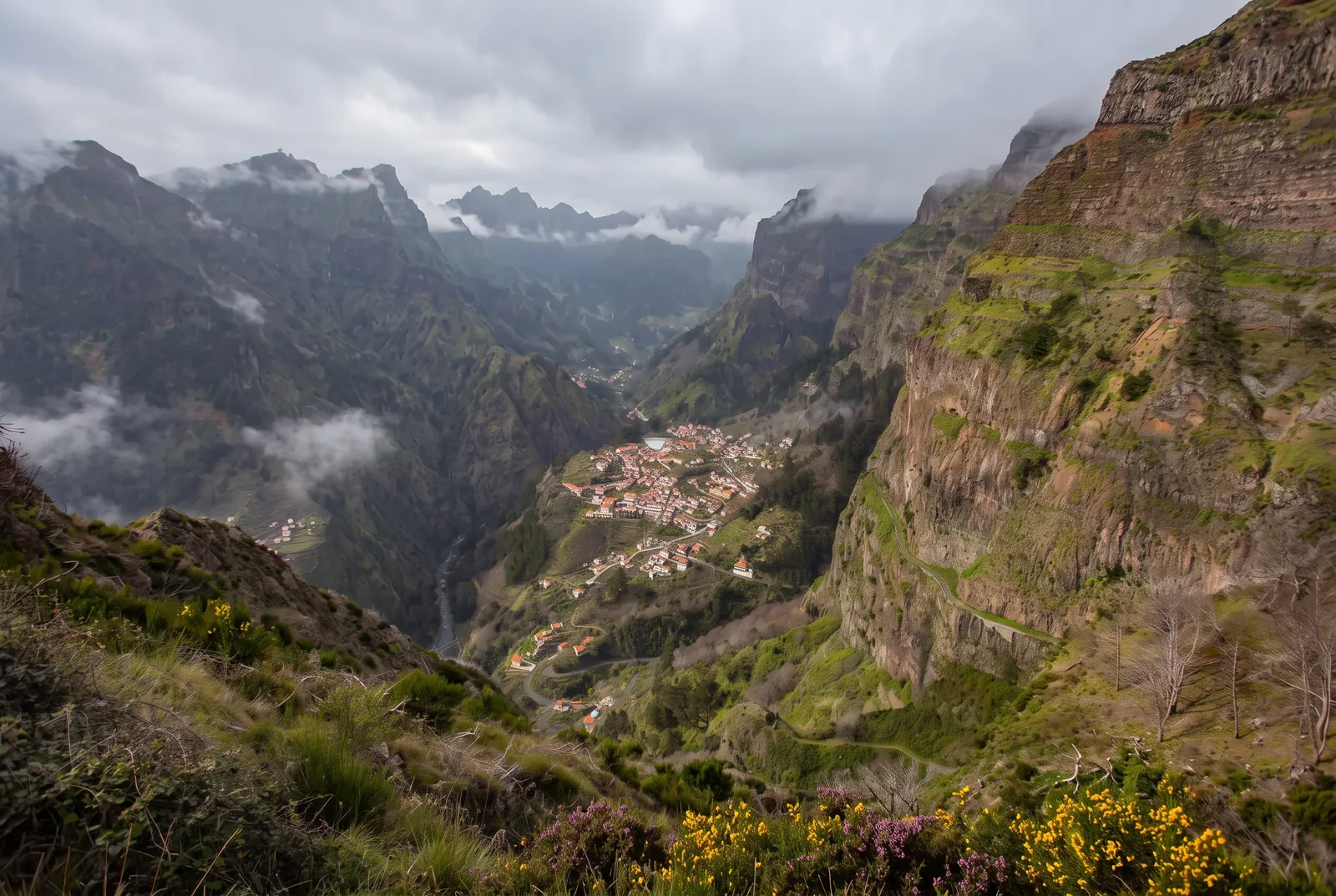
A village on the floor of a colossal cirque, where the nuns of Santa Clara hid from pirate raids in 1566, Curral das Freiras is the classic hidden valley. The aerial view comes free at the Eira do Serrado viewpoint at 1,095 metres, a short walk from its car park; a tunnel then drops you into the village for chestnuts in every form, cake, soup, liqueur. Do both halves, most tours only do one.
- Where: the interior, about 30 minutes from Funchal (map).
- Cost: free, viewpoint and village alike.
- Hours: always open.
- Time needed: half a day for both halves.
- Best time: a clear day, viewpoint first and village afterwards.
- Book: no.
The north coast next: three stops that pair into one long day, an hour back through the tunnels.
16. Porto Moniz natural pools
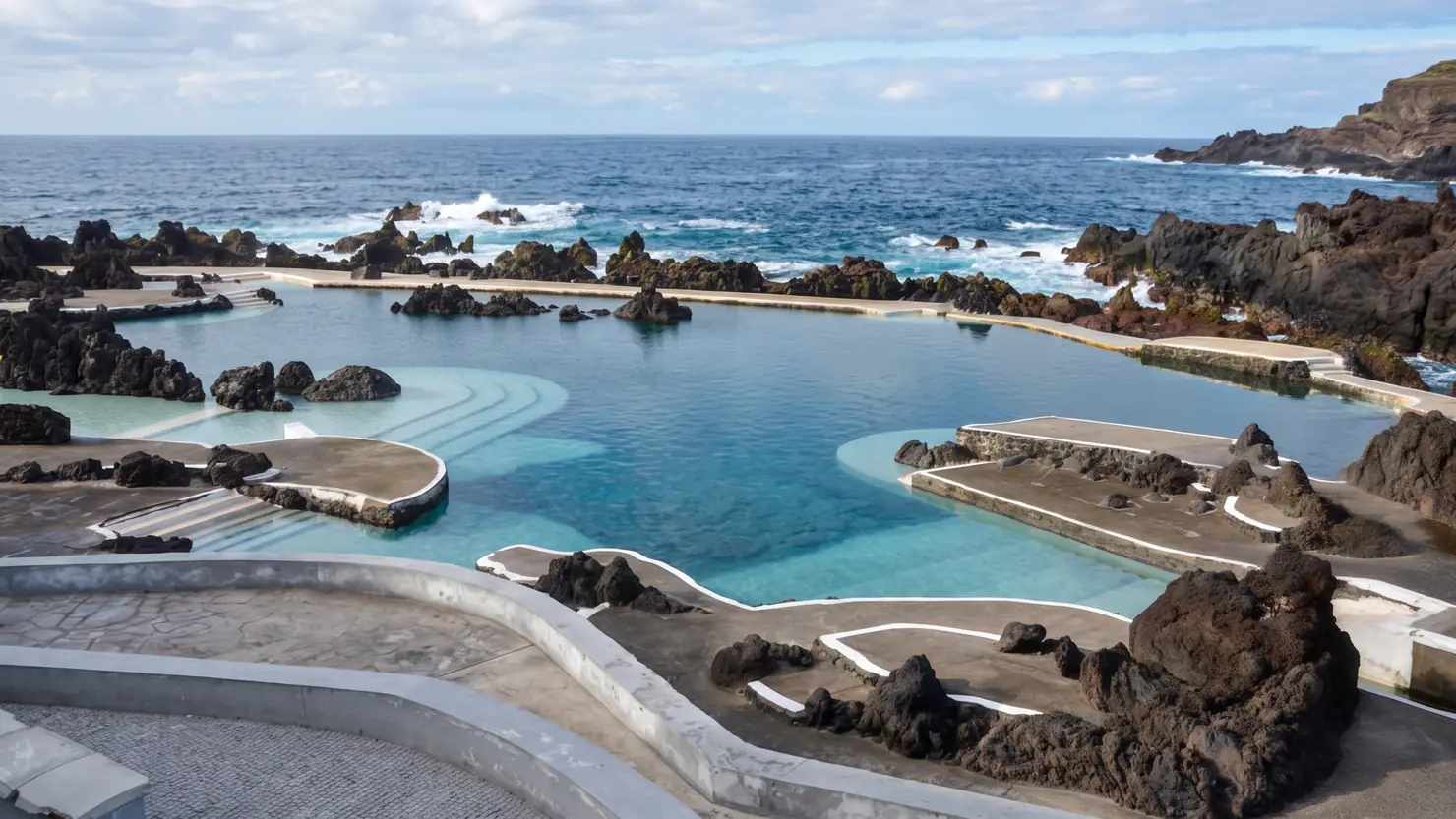
The sea fills a maze of natural lava-rock pools here, and swimming in calm water while Atlantic waves detonate on the black rock behind you is Madeira's signature coastal experience. The main complex has changing rooms, lifeguards and about 3,800 square metres of pools; the older, wilder pools by the São João Baptista fort are free and rockier, for confident swimmers. Ten minutes beyond, the tiny Achadas da Cruz cable car drops near-vertically 450 metres to a car-free ribbon of vineyards.
- Where: the north-western tip, about an hour from Funchal through the tunnels (map).
- Cost: €3 for the main complex in 2026, free at the older pools; Achadas da Cruz cable car €5 return, and carry cash.
- Hours: about 09:00 to 19:00 in summer, 09:00 to 17:00 in winter, and winter swell can close the complex entirely.
- Time needed: half a day with the cable car.
- Best time: a calm day, checked before the drive.
- Book: no, but carry cash.
17. Seixal: black sand and the bridal veil
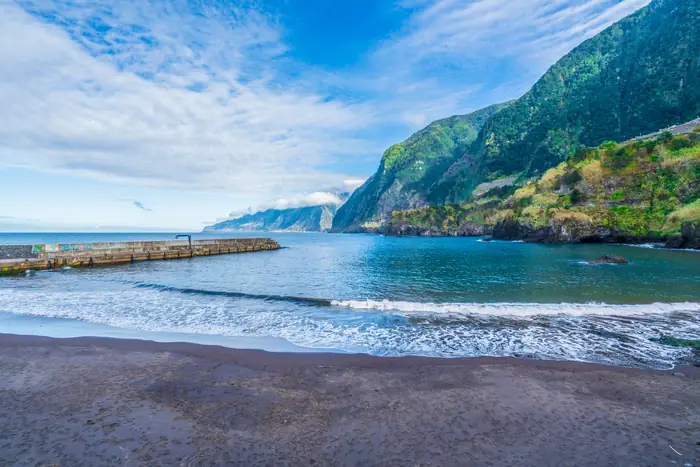
Seixal is the north coast's free masterpiece: a jet-black volcanic sand beach under vine-striped cliffs, lava pools with no ticket booth in sight, and, minutes away on a preserved stretch of the old coastal road, the Véu da Noiva viewpoint, where a bridal-veil waterfall streams down the cliff towards the sea. The common mistake is barrelling past on the new tunnel road and missing the old-road turn-off. Water shoes help on the lava rock.
- Where: the north coast, minutes east of Porto Moniz (map).
- Cost: free, beach, pools and viewpoint alike.
- Hours: always open.
- Time needed: two or three hours with the waterfall.
- Best time: morning for the light on the waterfall, May to October for swimming.
- Book: no.
18. Santana's traditional houses, and an honest note on São Vicente
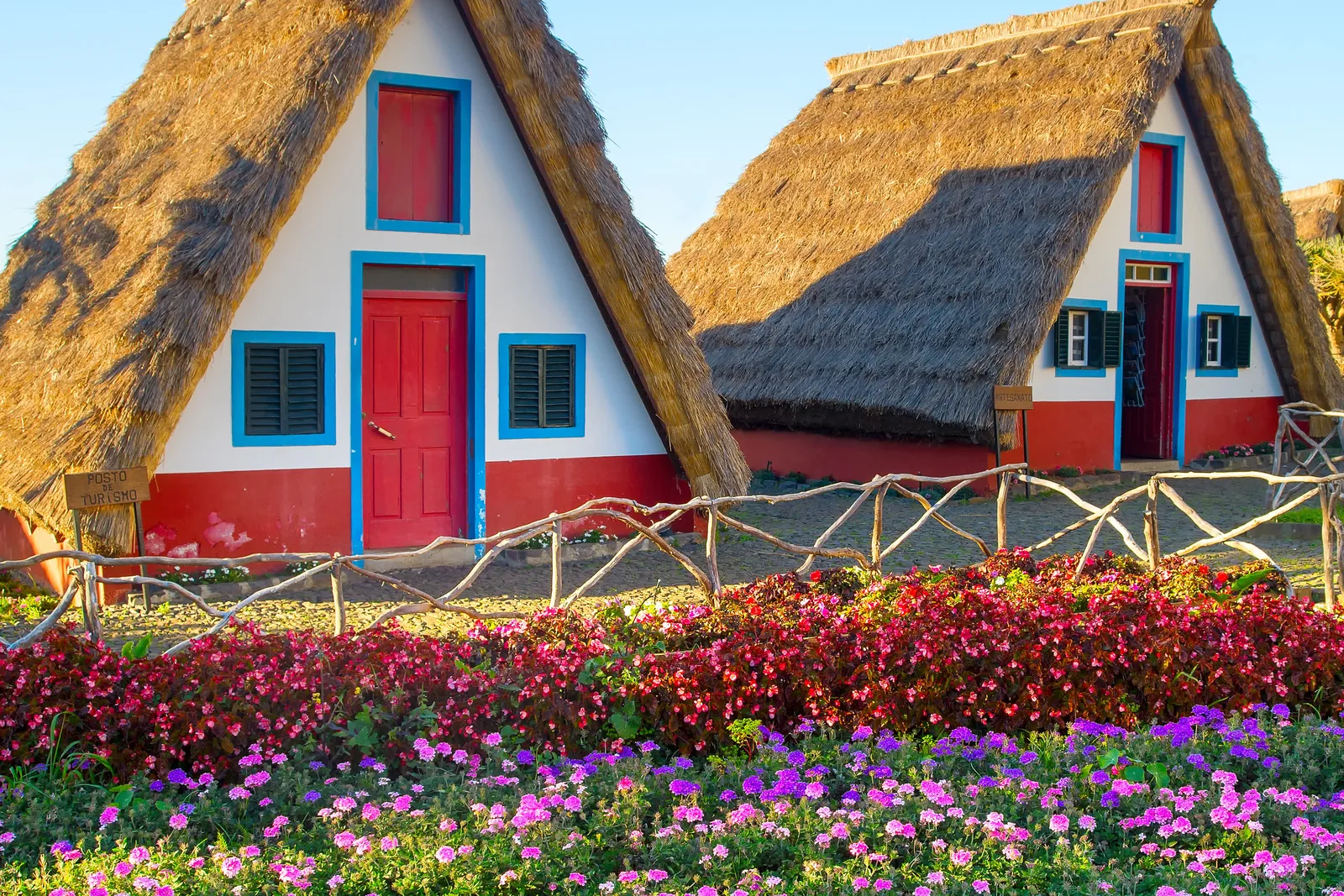
The triangular thatched A-frame houses of Santana are Madeira's postcard image, and the curated cluster by the town hall is free and takes twenty minutes, which is what it deserves: several are now souvenir shops, and the genuinely inhabited houses are scattered along the countryside towards São Jorge, where the drive is the attraction. The tiny Rocha do Navio cable car down to the protected fajã has been closed for maintenance since May 2026, with no reopening date. And São Vicente, the prettiest valley town here, has had its volcanic caves closed for years for structural safety work, with no reopening date: any guide still selling you the caves is out of date.
- Where: the north coast, under an hour from Funchal through the tunnels (map).
- Cost: free.
- Hours: daylight.
- Time needed: twenty minutes for the houses.
- Best time: whenever the north-coast loop brings you past.
- Book: no.
- Skip if: you were promised the São Vicente caves, they have been shut for years.
And finally the east, the driest corner, the right answer when cloud sits on the peaks.
19. Ponta de São Lourenço
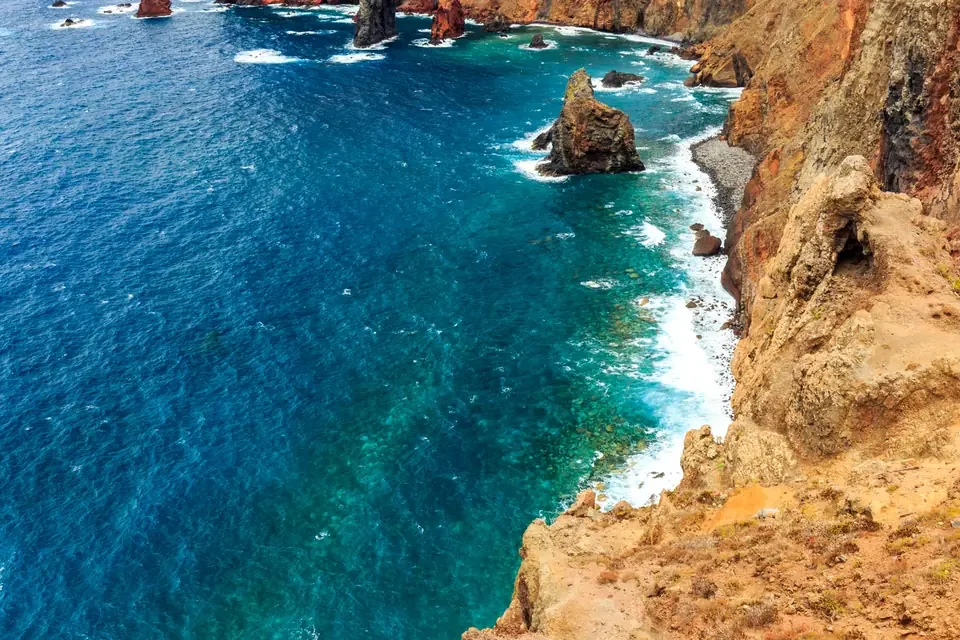
The island's eastern tip belongs to a different planet: a treeless volcanic peninsula of red and ochre cliffs, open Atlantic on one side and the calm south coast on the other. The PR8 trail along it, 4 kilometres each way with a stiff optional climb at the end, is Madeira's one great coastal hike. There is zero shade and constant wind, and the car park at Baía d'Abra fills by mid-morning. Cais do Sardinha, near the end, is the swim stop.
- Where: the eastern tip, trailhead at Baía d'Abra (map).
- Cost: €4.50 with a booked slot in 2026, under 12s free.
- Hours: daylight, within your booked slot.
- Time needed: half a day.
- Best time: first light, for cooler air and an empty trail.
- Book: yes, a timed slot in advance.
- Skip if: full sun and wind are not for you, there is no shade at all.
20. Whale watching from Funchal or Calheta
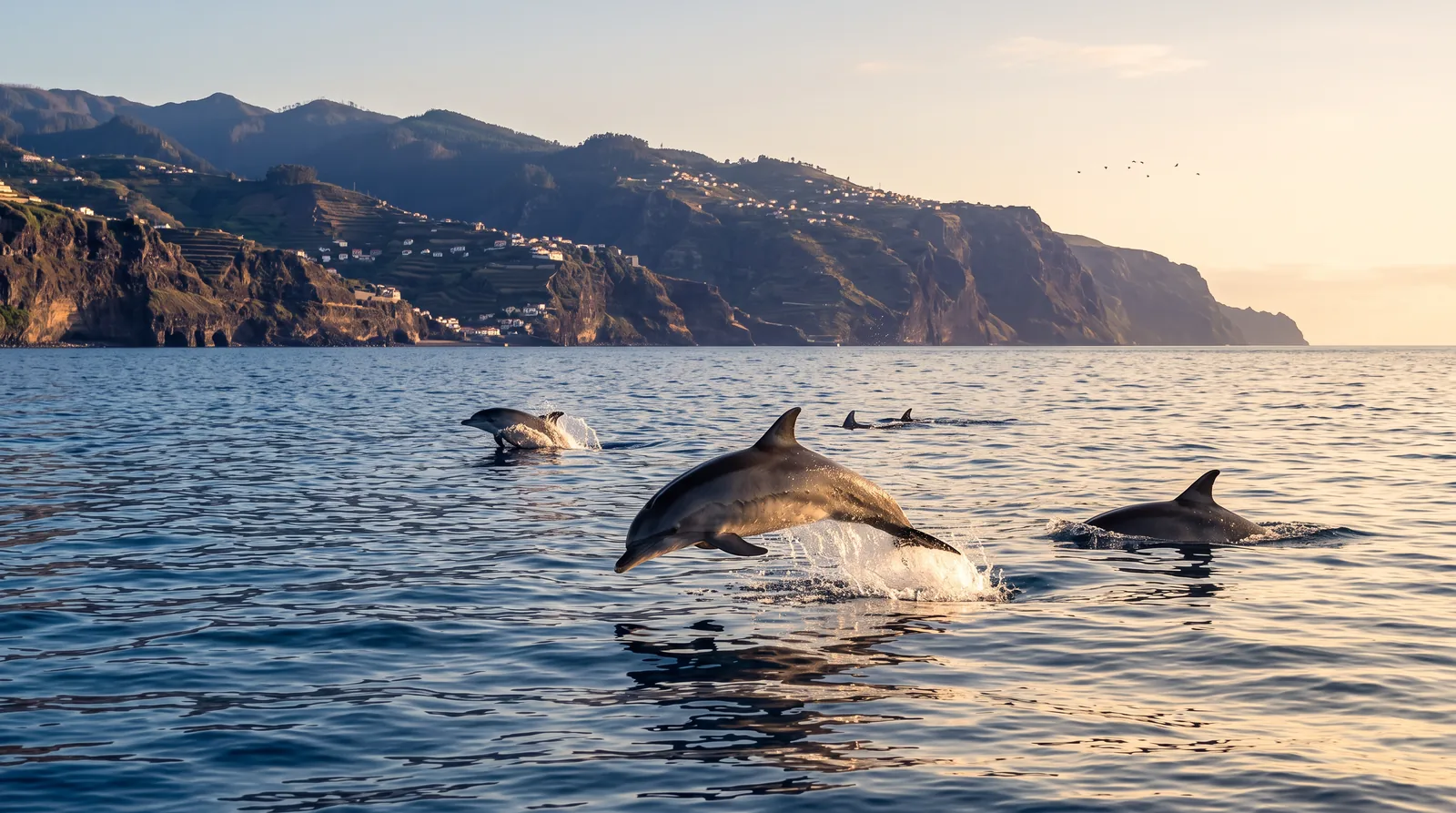
Madeira sits on the edge of very deep Atlantic water, which puts it among Europe's most reliable places to meet cetaceans: sperm whales, pilot whales and bottlenose dolphins live here year-round, and Bryde's whales join in summer. The standard outing is a three-hour catamaran from Funchal marina. Set expectations honestly: this is sperm whales logging at the surface and dolphin pods riding the bow, not breaching humpbacks. Two smaller extras: Machico, where the discoverers landed in 1419, has one of the island's two golden-sand beaches, and the Cristo Rei statue at Garajau tops a marine reserve with the island's best shore snorkelling.
- Where: Funchal marina, or the marina at Calheta (map).
- Cost: a paid boat trip, priced by the operator, RIBs dearer than catamarans.
- Hours: departures through the day.
- Time needed: about three hours.
- Best time: April to September, when diversity peaks.
- Book: yes, with an operator carrying a marine biologist.
If you only have time for ten, these are the ten
Twenty sights, and I am not going to pretend they are all equally unmissable. If you are building a first itinerary, this is the honest ordering.
Pico do Arieiro would be at the top. It is one of those places that immediately explains why Madeira is different from other islands: on a day when conditions cooperate, standing above the clouds looking across that set of peaks and valleys is probably the strongest image you can take home. Ponta de São Lourenço sits close behind, precisely because it shows a Madeira most visitors do not imagine: almost treeless, dry, volcanic, reds and browns with ocean on both sides, an enormous contrast with the laurel forest.
Then one good levada, without fail. You do not need five on a first trip, but leaving Madeira without walking one means missing an essential part of the island: Caldeirão Verde for anyone who genuinely enjoys walking, 25 Fontes for a more classic first experience, or Balcões for a very short and easy taste.
Fanal is among my favourites, especially in fog. It is a curious thing: normally we spend a holiday avoiding bad weather, and at Fanal it is almost the reverse. Under clear blue sky it is beautiful; with the trees appearing and disappearing in the mist it is extraordinary.
On the north coast I would take Seixal and Porto Moniz, which pair naturally in one day. Seixal is perhaps the more beautiful landscape of the two, while Porto Moniz gives you the volcanic pools. Curral das Freiras seen from Eira do Serrado earns a place as the best way to grasp the scale of the interior, and I would not stop at the viewpoint: going down into Curral changes the perspective completely.
In town, the old town of Funchal is essential, but I would not treat it as an attraction to dispatch in an hour. I prefer to walk without much of a plan, pass through the Mercado dos Lavradores and finish by the sea. In Monte, I would choose the Monte Palace tropical garden: even people not usually interested in gardens are surprised by the scale of it. And I like Câmara de Lobos a great deal, not for any monument but because it is a place worth simply stopping in, walking around the bay and having a poncha without worrying about the next attraction.
Between them, those ten show the several Madeiras well enough: the mountain, the forest, the levadas, the north coast, the volcanic landscape, the capital and the small towns.
- 1. Pico do Arieiro: the strongest image you can take home.
- 2. Ponta de São Lourenço: the dry, volcanic Madeira nobody imagines.
- 3. One levada: Caldeirão Verde, 25 Fontes or Balcões.
- 4. Fanal: best in fog, which is most days.
- 5. Seixal: the more beautiful of the two north-coast landscapes.
- 6. Porto Moniz: the volcanic pools, paired with Seixal in one day.
- 7. Curral das Freiras and Eira do Serrado: the scale of the interior.
- 8. Funchal: the old town walked without a plan, finishing by the sea.
- 9. Monte Palace: the one garden, even for people who do not like gardens.
- 10. Câmara de Lobos: a bay, a poncha and no next attraction to worry about.
And the ones I would not travel for
The rest of the list is worth your time if you are already nearby. It is the difference between a stop and a destination, and I would rather be clear about it.
The wicker toboggan ride is the first I would move out of the essential column. It is one of the most famous images of Madeira and I understand why people enjoy it, but I would not call it indispensable. Advising a friend short on time, I would rather they spent it on the Monte Palace or another part of the island entirely.
Calheta beach is pleasant and genuinely useful for families who want sand and sheltered water, but I would not drive to Calheta only for the beach: that coast and Ponta do Sol interest me considerably more. The traditional houses of Santana are worth a stop if you are already touring the north, a twenty or thirty minute stop, not one of the great Madeiran experiences. The botanical garden is beautiful and deserves a visit if you like botany, but on a short first stay, if I had to choose one big garden, I would choose Monte Palace.
Whale watching belongs in a different category: an excellent activity, especially for families, but it depends on your interests and on what the sea offers that day. And the Lido I would call a neighbourhood experience rather than a sight: superb for staying, swimming and living Funchal by the sea, but not something to cross the island to photograph.
How many days you actually need
Three days is the minimum, five is much better, and a week is the ideal for a first visit.
You can see a good deal in three days by grouping the areas well. The problem is that seeing a lot is not the same as enjoying a lot. With only three days, any setback has consequences: if Pico do Arieiro was planned for Tuesday and Tuesday is clouded over, there may be no other morning available. If a walk takes two hours longer than you estimated, you start cutting stops from the rest of the day.
With five days you can give one to Funchal and Monte, one to the west, one to the north, do a proper walk and still keep flexibility for the best mountain day. But seven is what I would recommend, because a week lets you do the thing that matters most here: adapt the itinerary to the weather instead of forcing the weather to fit the itinerary. If the mountains are covered, go east or to the coast. If Arieiro is perfect, change the plan and go up. If you loved Câmara de Lobos, stay for dinner instead of rushing off because three points remain on the list.
Madeira is small in kilometres and enormous in variety, which is what fools people. In one day you can go from humid forest under fog to a beach in the sun and finish at 1,800 metres. Enjoying each place is another matter. So: three days is possible but intense, five makes an excellent first trip, seven is what I would recommend, and ten or more is when you start to know Madeira rather than tour it.
One last observation, and I see it repeatedly: people who stay three or four days leave saying they saw a great deal. People who stay a week leave saying how much they still have left to see. The second group has probably started to know the island.
Madeira in 3 days: a realistic first-timer itinerary
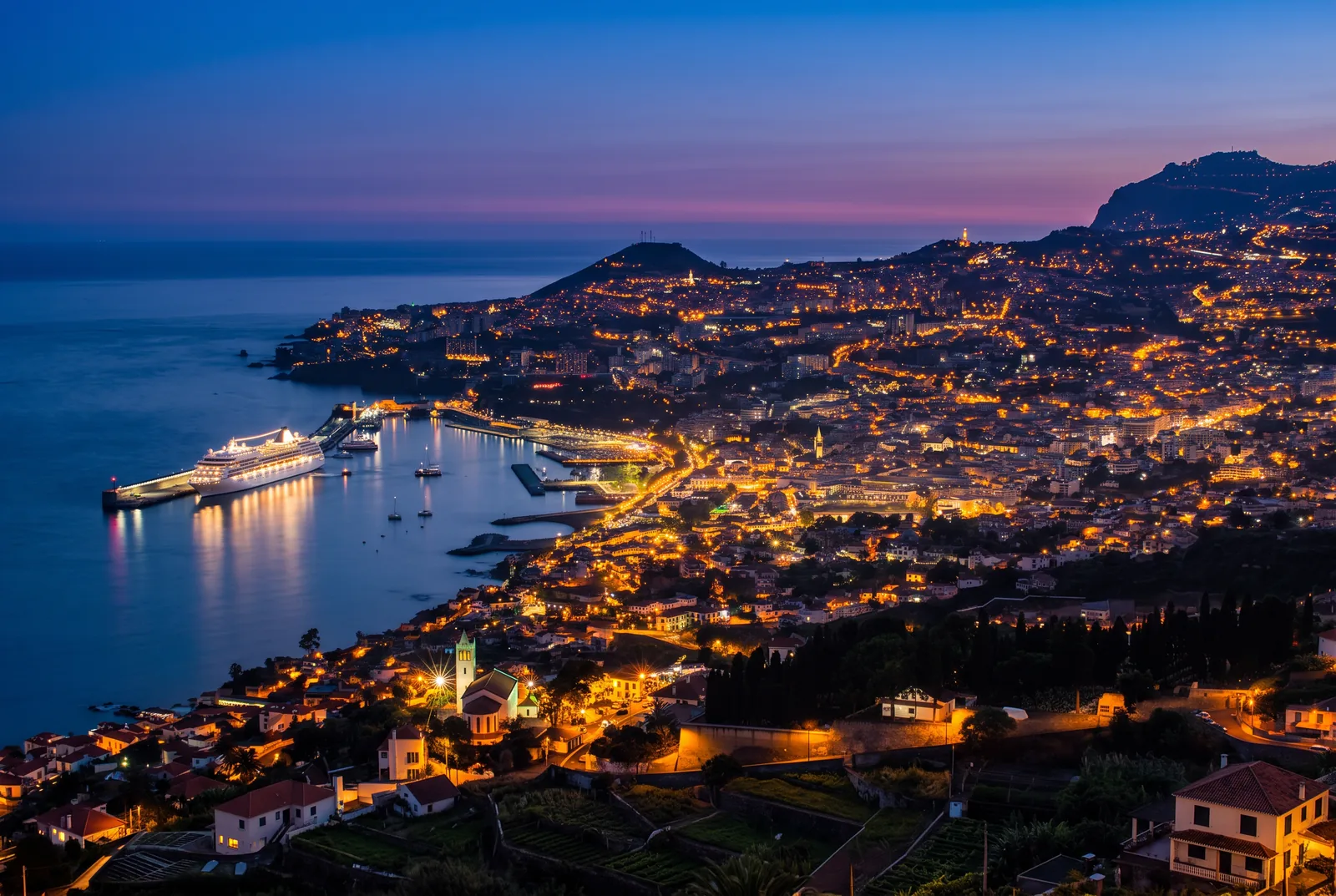
Three days is enough for the highlights if you group by area and start early. Base yourself in Funchal, everything below is measured from there.
Day 1: Funchal and Monte, no car needed
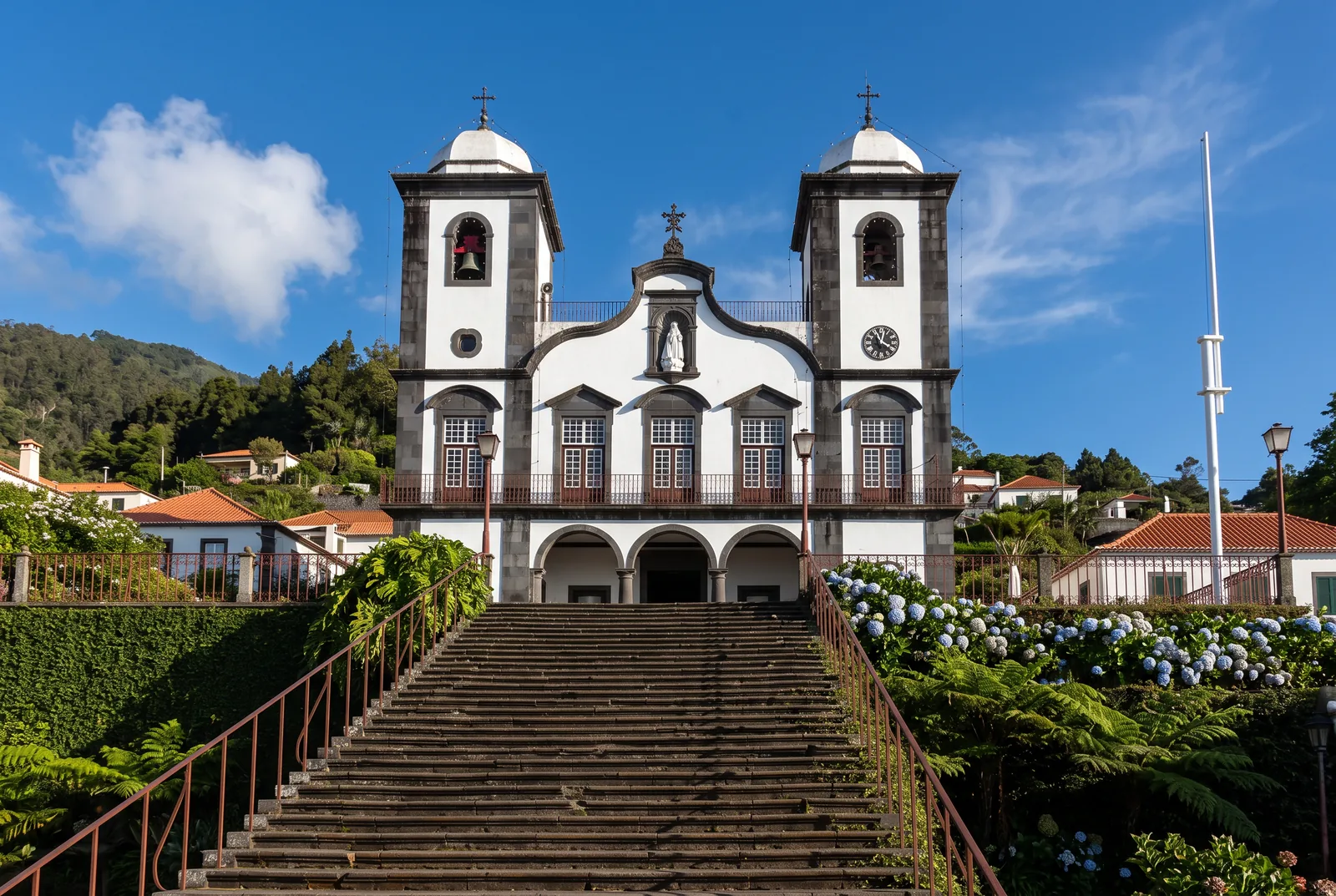
Old town and painted doors first thing, Mercado dos Lavradores mid-morning, then the cable car up to Monte before the queues. Monte Palace garden and the church, then the second cable car across the valley to the botanical garden. Afternoon: the wicker toboggan down, or the Lido pools. Dinner in the Zona Velha, or espetada in Estreito de Câmara de Lobos.
Day 2: the mountains and the north coast
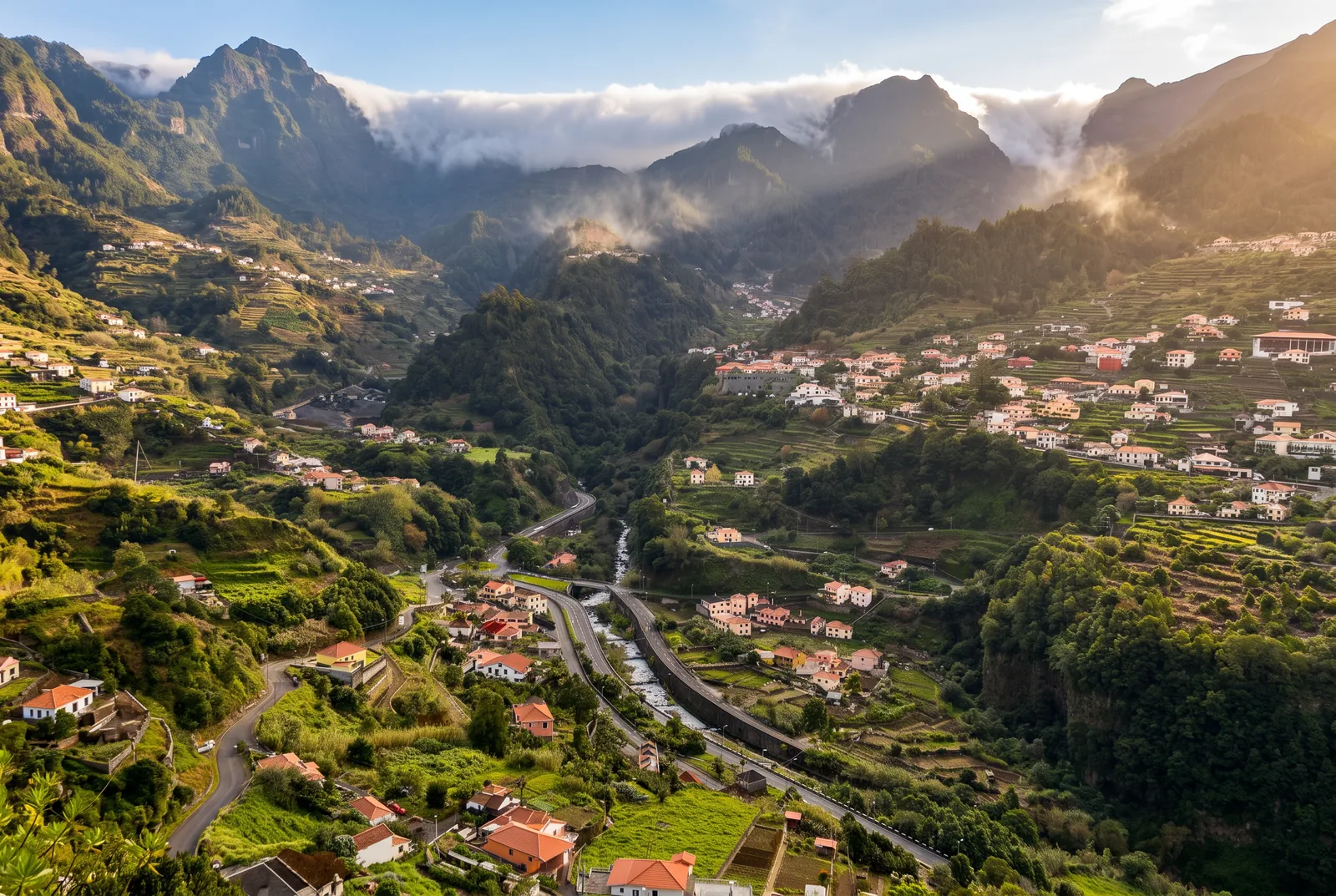
Sunrise at Pico do Arieiro, then down the same road to Ribeiro Frio for the short Balcões walk. North next: Santana's houses as a photo stop, then west to Seixal's black beach and the Véu da Noiva viewpoint, with an hour at Porto Moniz's pools if the light holds. Back through the São Vicente tunnels, about an hour to Funchal.
Day 3: the east, then a west-coast sunset
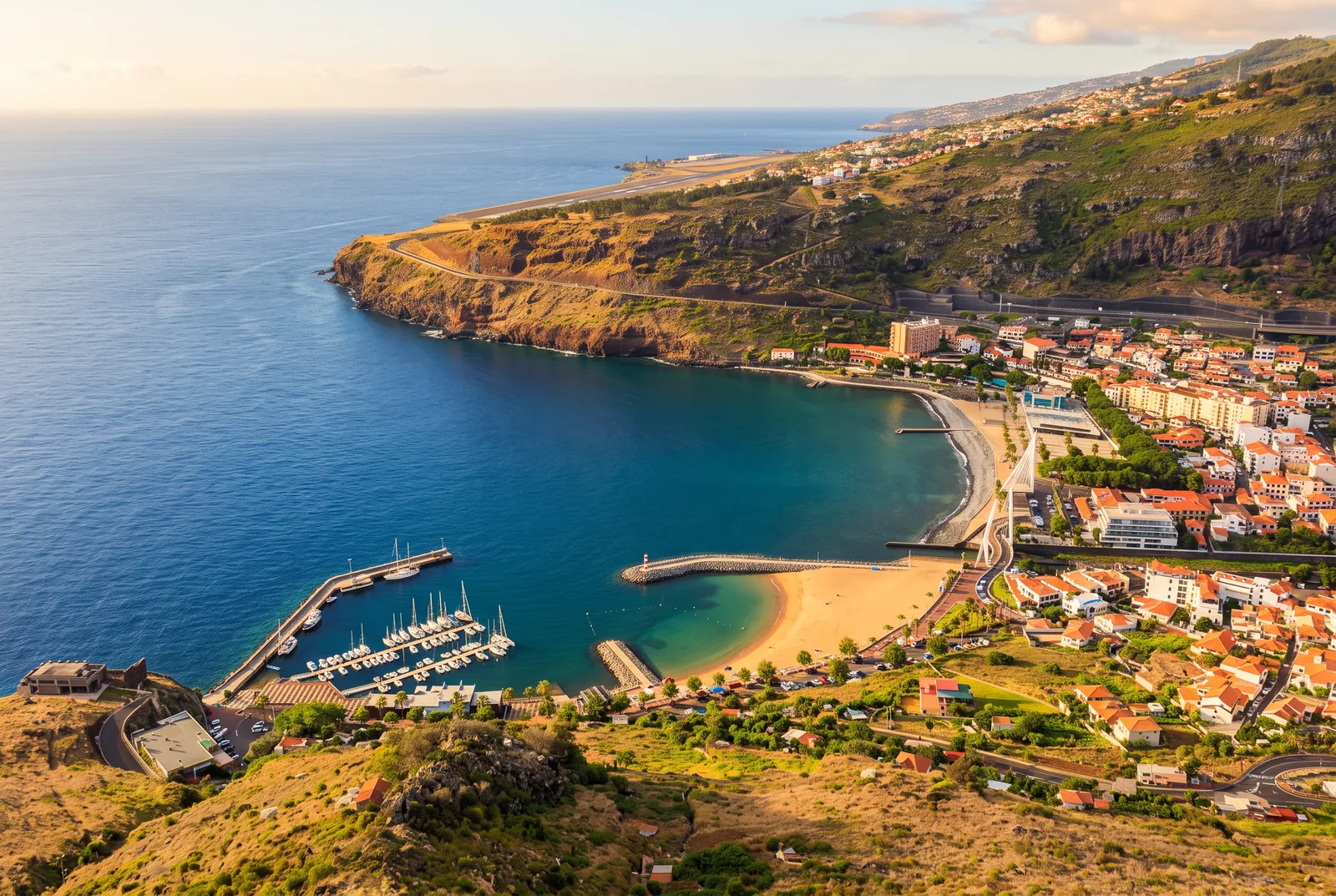
Ponta de São Lourenço at first light, before the car park fills. Lunch in Machico's old town. Afternoon: a whale-watching departure from Funchal, or Câmara de Lobos and the Cabo Girão skywalk. Finish with sunset on the beach at Ponta do Sol. With five days, spread the same plan and add a levada, a foggy morning at Fanal with Curral das Freiras after, and a slow half day at Calheta.
Practical tips: fees, driving and what to pack
Everything below applies island-wide, as of mid-2026.
- Trail fees: since 2025 Madeira charges non-residents for its classified PR trails. In 2026 that is €4.50 on standard trails and €10.50 for PR1, children under 12 free. Viewpoints, towns, Fanal and non-classified levadas remain free.
- Booking: a 30-minute entry slot booked in advance at simplifica.madeira.gov.pt is mandatory, with spot checks and a fine for walking without a ticket. Check trail status before a hiking day, closures after landslides are routine.
- Car hire: roughly €15–40 per day in low season and €40–90 in summer. Book automatics months ahead, and rent the smallest car that fits: the island runs to 20 percent gradients and hairpin hill starts.
- Driving: the expressways are fast and tunnel-heavy, but on old mountain and coastal roads assume an average of 30 km/h.
- Buses: fine within Funchal and to Câmara de Lobos or Machico, but the north-coast run to Porto Moniz takes about three hours with around twenty stops, so no sightseeing tool for the north. The pattern that works: car-free Funchal days, then a rental or a tour for two or three island days.
- Weather: pack layers, always. Funchal at 24 degrees can coexist with near-zero wind chill at Pico do Arieiro, and the mountains manufacture their own clouds by late morning, which is why every hike and viewpoint here comes with the same advice: go early. Sea temperature runs 18–24 degrees year-round.
- Money: a poncha is a few euros, a full espetada meal sits in the €15–20 band per person, the Monte cable car €22 return, the toboggan €30–60 per sledge, and most paid sights fall between €3 and €18. Carry cash: the smaller cable cars and the Rabaçal shuttle take none. Prices rose noticeably between 2025 and 2026, so treat older guides with suspicion.
- Arriving: Madeira's airport is a sight in itself, its runway extension resting on 180 concrete pillars over the sea. Wind diversions happen but are rare, so avoid tight same-day connections. The Aerobus (€6.70 on board, €5.55 in advance) serves Funchal's hotel zone including the Estrada Monumental, and a taxi to the centre runs €25–35.
Frequently asked questions about things to do in Madeira
How many days do you need in Madeira?
Three well-planned days cover the highlights in this guide. Five days lets you add a proper levada walk, Fanal and a boat trip without rushing, and a week dissolves the schedule entirely, which is when Madeira is at its best.
Do you need to rent a car?
Not for Funchal and Monte, where feet, cable cars and buses do everything. For the mountains, the north coast and the east, yes, a car (or a tour) is the difference between one area a day and three.
Is Madeira worth visiting if you do not hike?
Absolutely. Of the twenty Madeira attractions in this guide, most involve little or no walking: cable cars do the climbing at Monte and Achadas da Cruz, Pico do Arieiro and Eira do Serrado are viewpoints you drive to, and the pools, gardens, markets and villages ask nothing of your knees.
When is the best time to visit Madeira?
Madeira is a year-round island with a mild 17–27 degree range. May to September is driest and best for swimming; spring brings the flowers; October to February is greener and quieter. Even November has real charms, we wrote about them in our Madeira in November guide.
Where to stay while you see it all
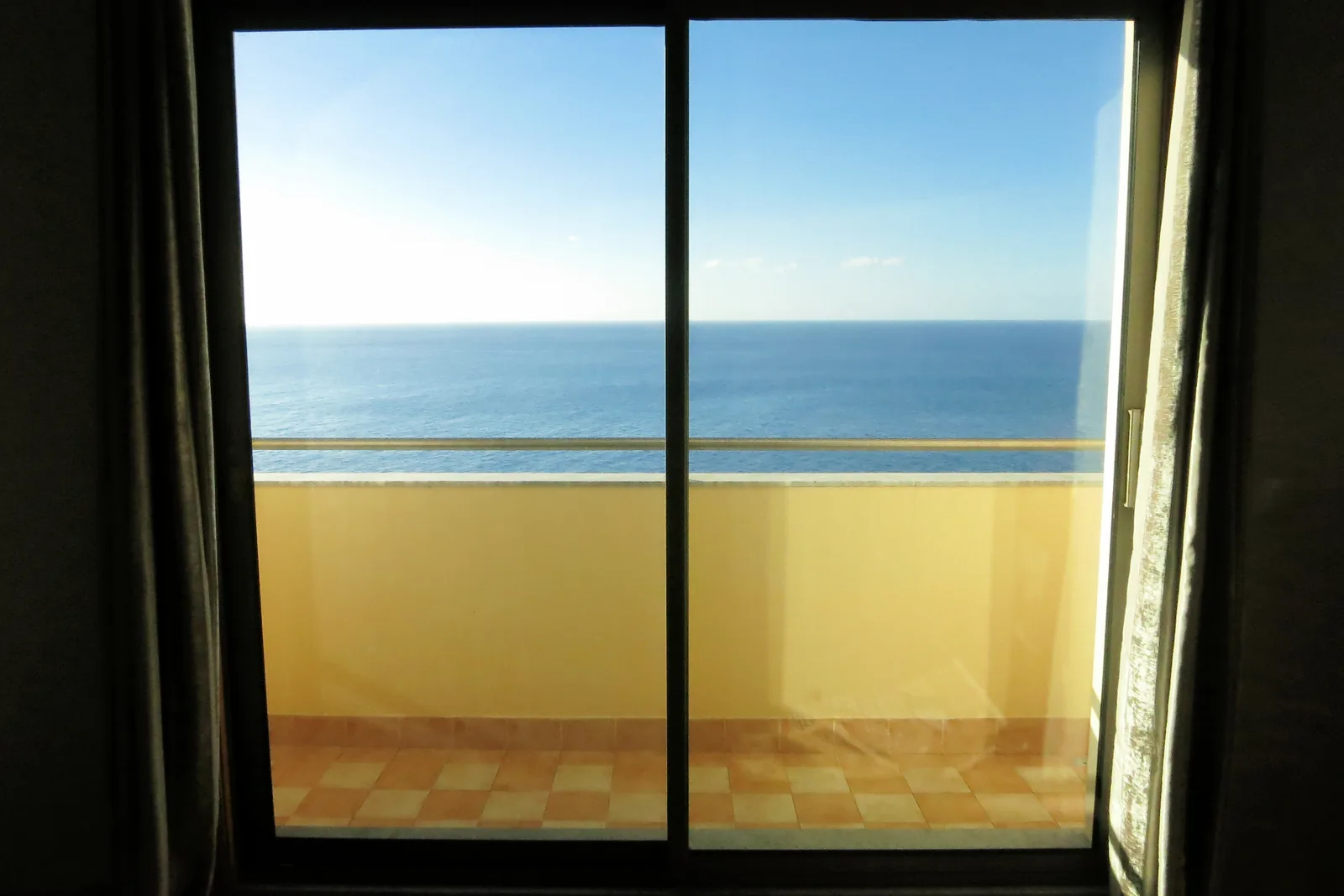
Every itinerary in this guide assumes the smartest base on the island: Funchal, where restaurants, cable cars and the expressways in every direction meet. Superior Rentals keeps two very different front doors there. The Beachfront penthouse puts the Lido promenade and the ocean pools at your feet with the sunset over the Atlantic from the terrace, and the Downtown villa sets you among the painted doors of the old town, with the market, the cable car and the Zona Velha's restaurants a stroll away. For help choosing your corner of the island, our where to stay in Madeira guide breaks it down area by area, and the Madeira page has both homes side by side.
Related topics: Viewpoints, Attractions