Where to stay in Madeira: the best areas compared by a local host
Miguel Filipe · 20 min read · Updated 27/Aug/2026
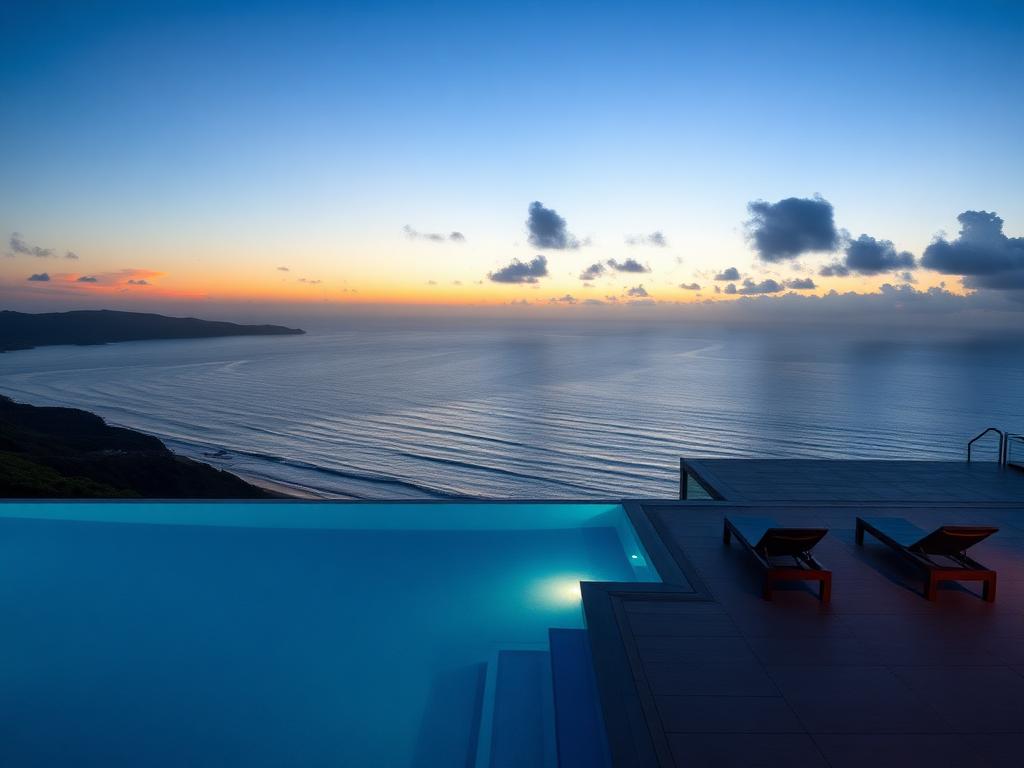
Funchal old town or the Lido seafront? A local host compares Madeira's areas honestly: where to base yourself for hiking, winter stays, first visits and travelling without a car.
Where to stay in Madeira: the short answer
Madeira looks small on the map and feels enormous once you are here: a subtropical island of cliffs, levadas and microclimates where choosing the wrong base can mean an hour of hairpin roads every single day. We host guests in Funchal all year round, and "where should we stay?" is the question we get most. This is our honest answer.
Two questions do most of the deciding. First, will you rent a car? With one, the whole island opens up and quieter bases like Calheta or the north coast become realistic. Without one, Funchal is close to the only sensible choice. Second, when are you coming? Summer and the festival weeks reward a central base, while winter favours the sunniest, most sheltered corners of the south coast.
For a first visit, stay in or around Funchal: the island's best restaurants, the mildest weather, the main bus lines, and most of the island within an hour by car. Choose the old town to walk everywhere, the Lido seafront for the ocean at your window. If you have been before, or you are staying two weeks or more, split your stay: five or six nights in Funchal, then a couple in Calheta for the sun or up north for the drama. The island's highlights are in our guide to the top sights of Madeira.
- First visit: Funchal, in the city or just outside it.
- Walk everywhere: the old town, in the flat blocks around the market.
- Sea at your window: the Lido and Estrada Monumental seafront.
- Without a car: central Funchal, without hesitation.
- Hiking week: Funchal, plus one or two nights up north.
- Sun and sand: Calheta or Machico, with a car.
- Remote work, a month or more: Ponta do Sol.
- Second visit: a split stay, Funchal first and somewhere wilder after.
Madeira's areas compared, from Funchal to the wild north
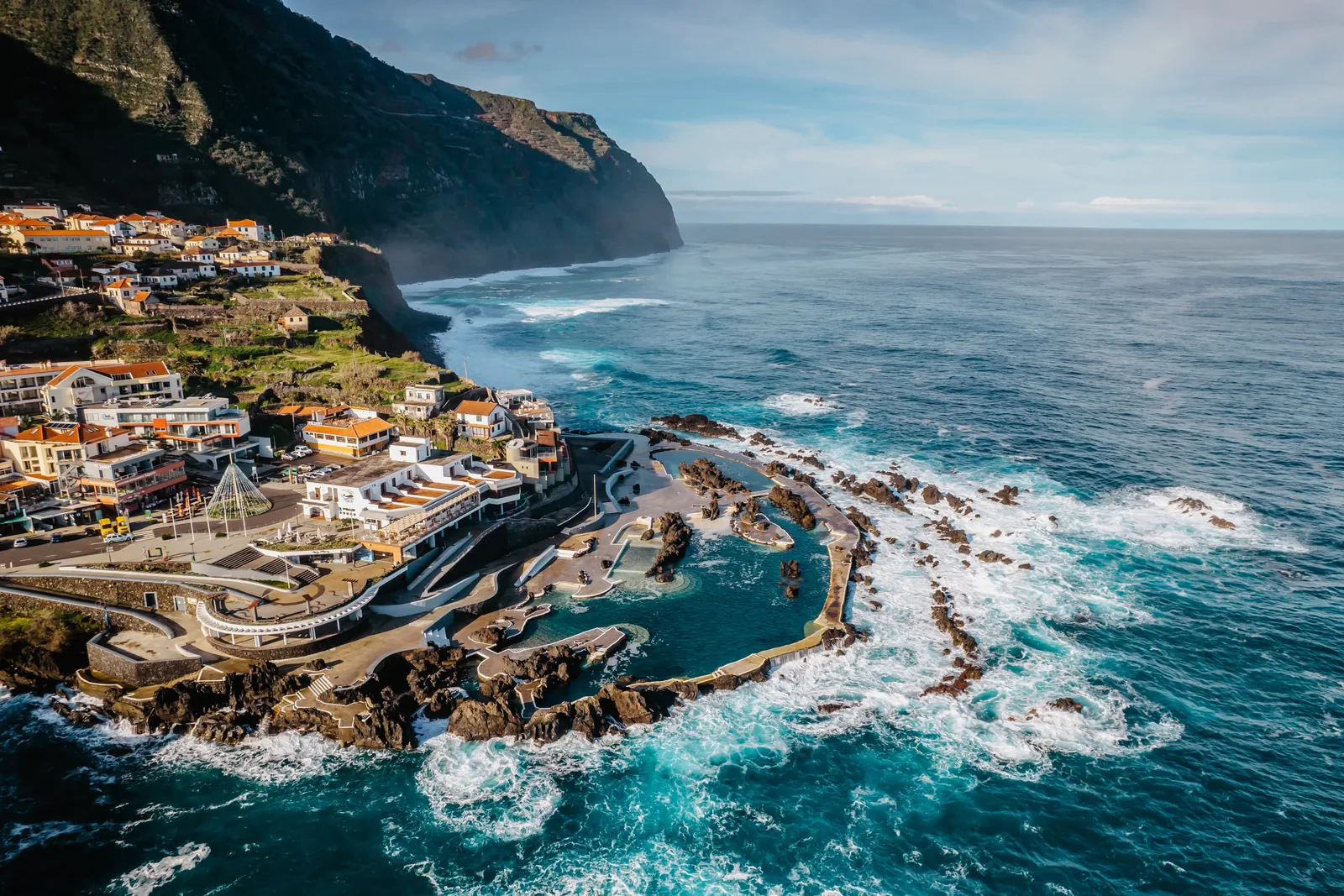
Beyond the capital, the island splits into distinct worlds, each a plausible base for the right traveller. The eight below each end with the facts I would want before booking.
1. Funchal old town and centre
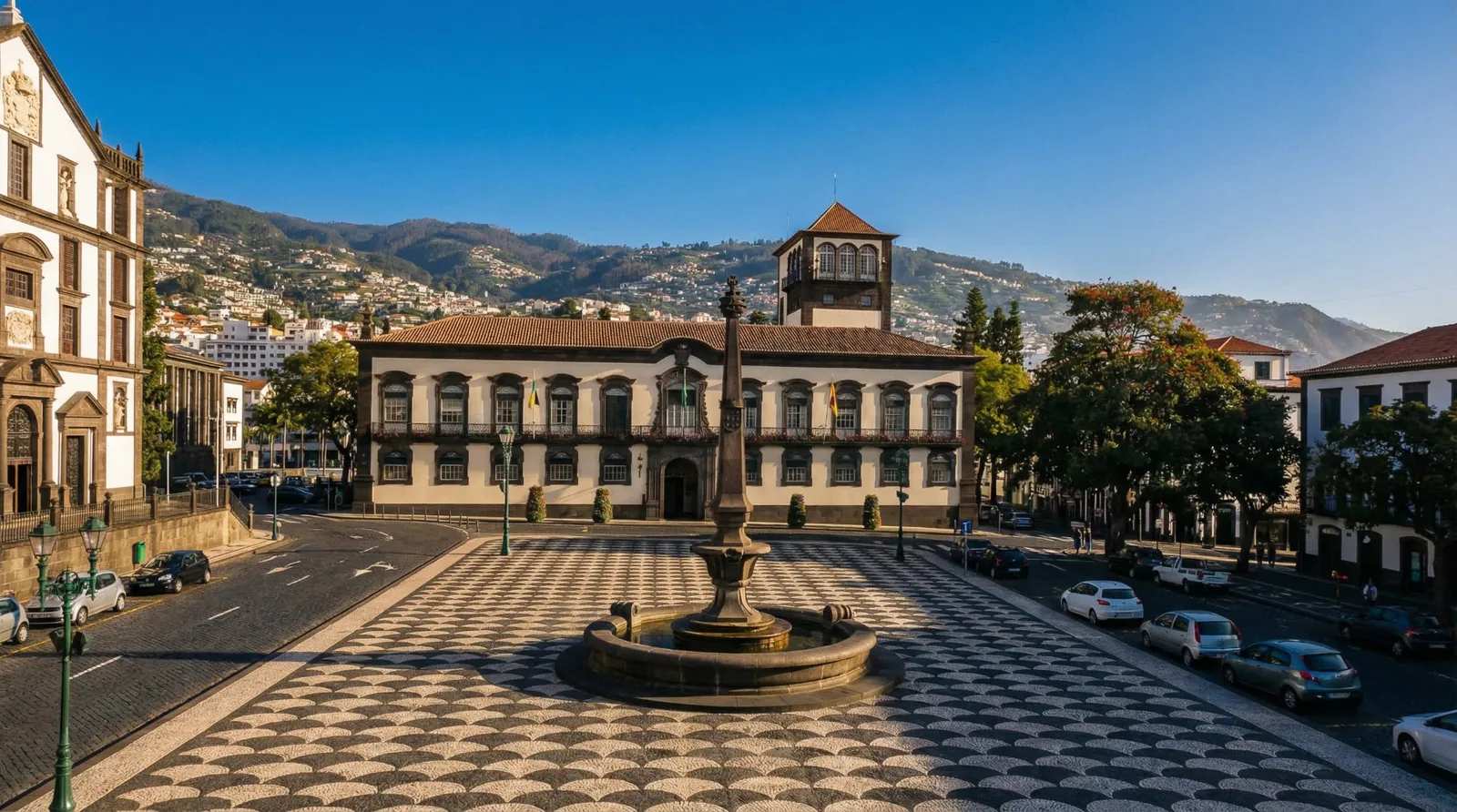
The historic centre puts you within walking distance of the Mercado dos Lavradores, the cable car to Monte and the cathedral. Its heart is the Zona Velha around Rua de Santa Maria, a cobbled street of painted doors that becomes one long dining room every evening, with the seafront promenade and the fortress of São Tiago ten minutes away on foot. Our Downtown villa sits here, a townhouse overlooking the Municipal Gardens, and our Funchal food guide maps the stalls and restaurants worth your appetite, nearly all walkable from here.
Two honest caveats. Rooms on Rua de Santa Maria and the lanes beside it can be noisy until midnight in summer, so light sleepers should choose a side street. And Funchal is built on an amphitheatre: a listing that looks central but sits ten streets uphill means a steep walk home. The blocks around the market are the flat, easy core, which is why we chose this pocket for our own property.
- Best for: first timers, food lovers, travellers without a car.
- Distance: ten minutes by car or bus to the Lido, forty on foot, and the Aerobus from the airport runs the seafront (map).
- Car: not needed. Day trip buses and tours leave from here.
- Swimming: bathing complexes and sea pools rather than sand.
- Evenings: the liveliest on the island, poncha bars, fado and long dinners.
- Nightly rate 2026: mid range, roughly 100 to €180 in the centre.
- Skip if: you are a light sleeper, or you want sand every day.
2. The Lido and Estrada Monumental
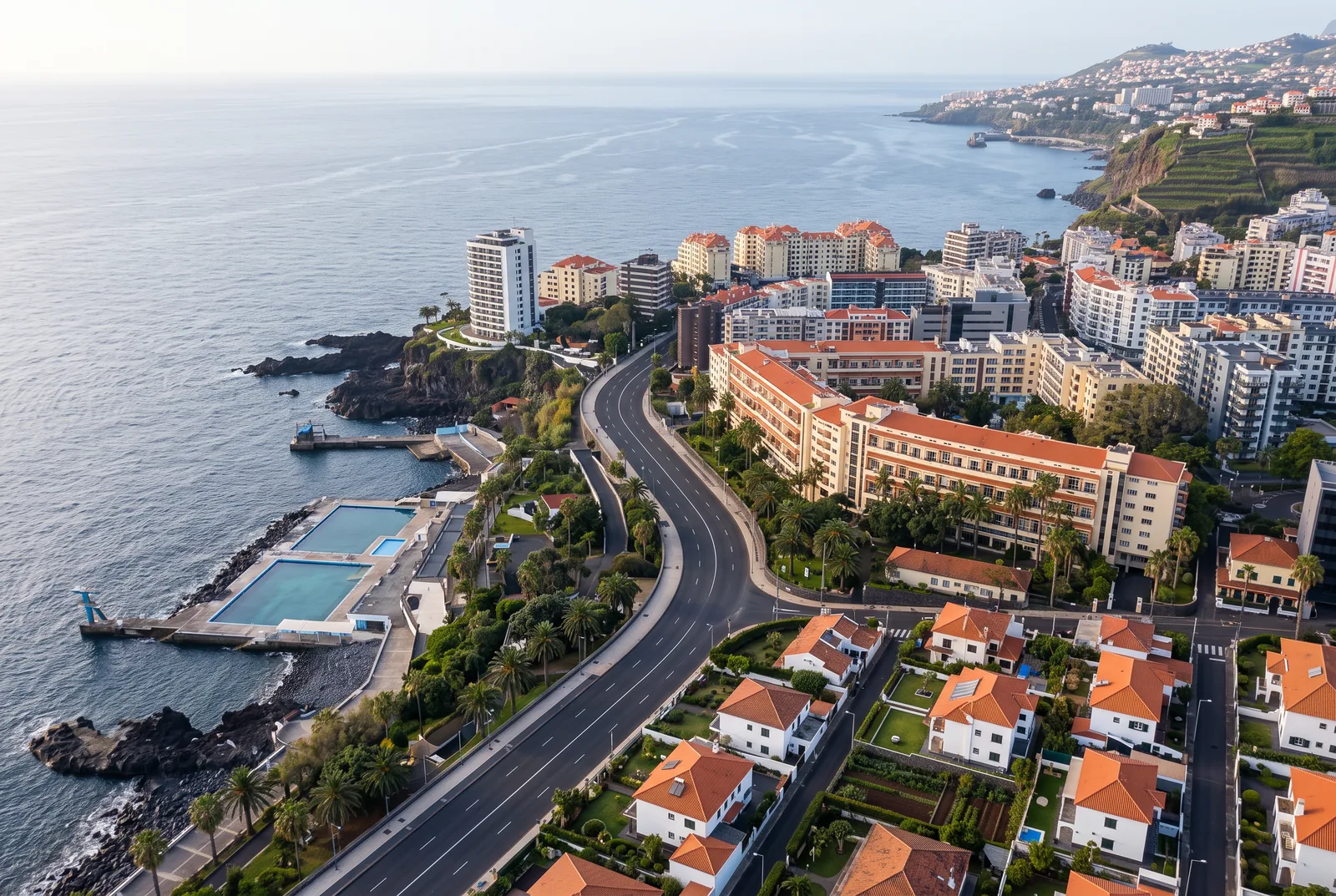
West of the centre, the Lido quarter runs along the ocean: hotel pools, the lido bathing complexes, a promenade locals actually use, and the sunniest microclimate in Funchal. The Estrada Monumental is its spine, lined with the island's five-star classics, and the promenade runs past Ponta Gorda to Praia Formosa. You can swim almost every day of the year, off the pebble coves or in the seawater pools. Our Beachfront penthouse is here, on the top floor with ocean views, gardens and an infinity pool, and our guide to the Lido and Estrada Monumental has the street level detail.
You trade a little walkability for the Atlantic at your window. Evenings are calmer and more international, with the Zona Velha a short ride away. For families the pools settle the argument, and in winter the extra sunshine hours of this coast are not a marketing line, they are visible on the washing lines.
- Best for: couples, families, longer stays, anyone who swims daily.
- Distance: ten minutes by car or bus from the old town, forty on foot, and the Aerobus from the airport stops along this whole stretch (map).
- Car: not needed for the city, useful for the rest of the island.
- Swimming: the best in Funchal, pebble coves, seawater pools, Praia Formosa.
- Evenings: calm and international, the old town a short ride away.
- Nightly rate 2026: 100 to €180 mid range, with the Estrada Monumental classics at the top of the premium band.
- Skip if: you want to walk out into the Zona Velha every night.
3. Câmara de Lobos
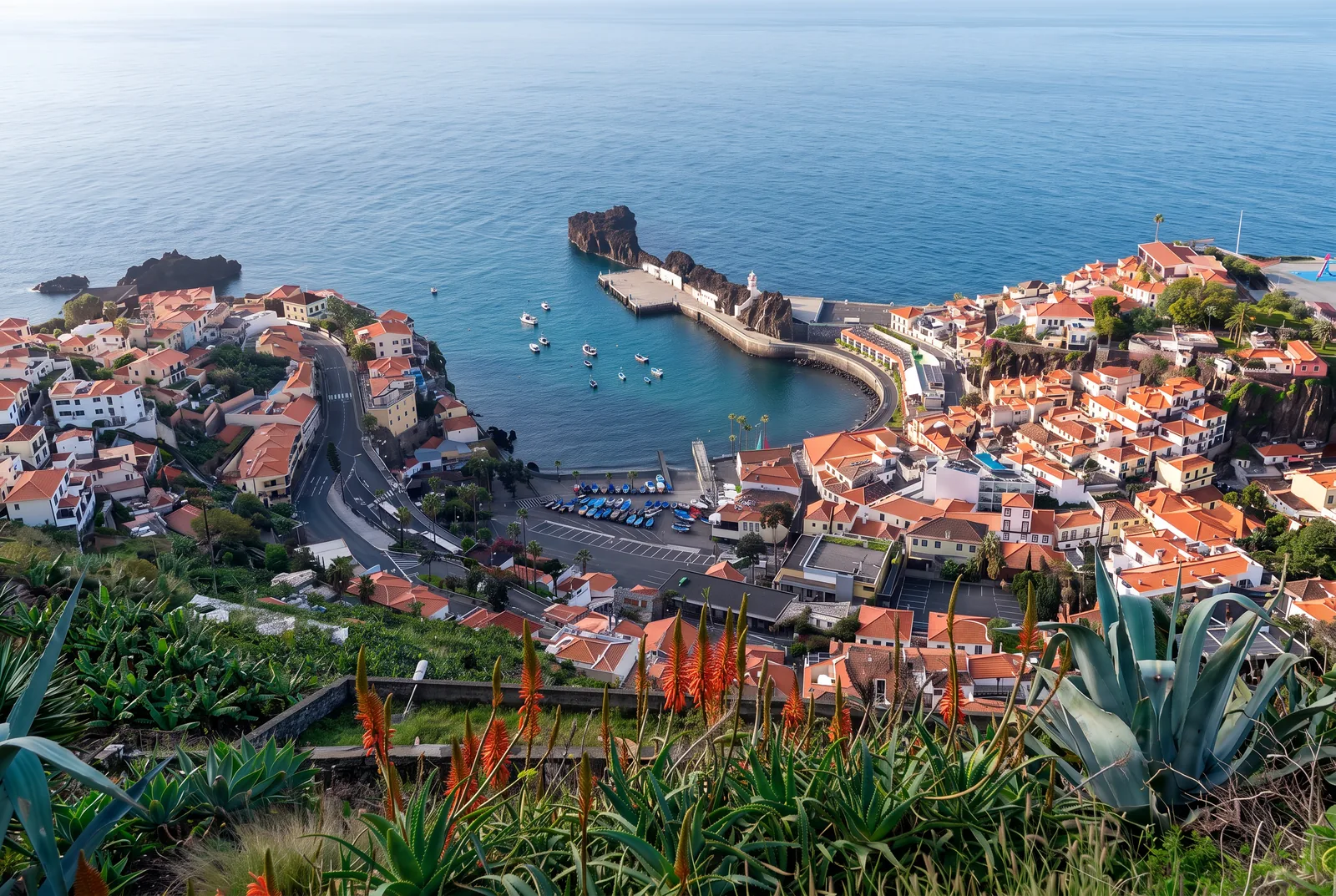
Fifteen minutes west of Funchal, Câmara de Lobos is the postcard: a working fishing harbour ringed by painted boats, the bay Winston Churchill famously sat down to paint, and bars that claim, with some justice, to pour the island's best poncha. Above it the vineyards of Estreito de Câmara de Lobos produce much of the grape harvest for Madeira wine, and the Cabo Girão skywalk hangs just up the road.
Be honest about the evenings, though: once the day trippers leave it is quiet, and the accommodation stock is smaller and simpler than Funchal's. Many of our guests do it the other way around, sleeping in Funchal and giving Câmara de Lobos a slow afternoon that ends with poncha at sunset.
- Best for: village life with the capital fifteen minutes away.
- Distance: fifteen minutes west of Funchal by car, the airport beyond the city on the far side (map).
- Car: optional. The bus into Funchal is short and frequent by island standards.
- Swimming: a shingle bay beside a working harbour, not a swimming beach.
- Evenings: quiet once the day trippers leave.
- Nightly rate 2026: outside Funchal, so 10 to 30 percent below the capital.
- Skip if: you want choice at dinner, or steep streets are a problem.
4. Calheta
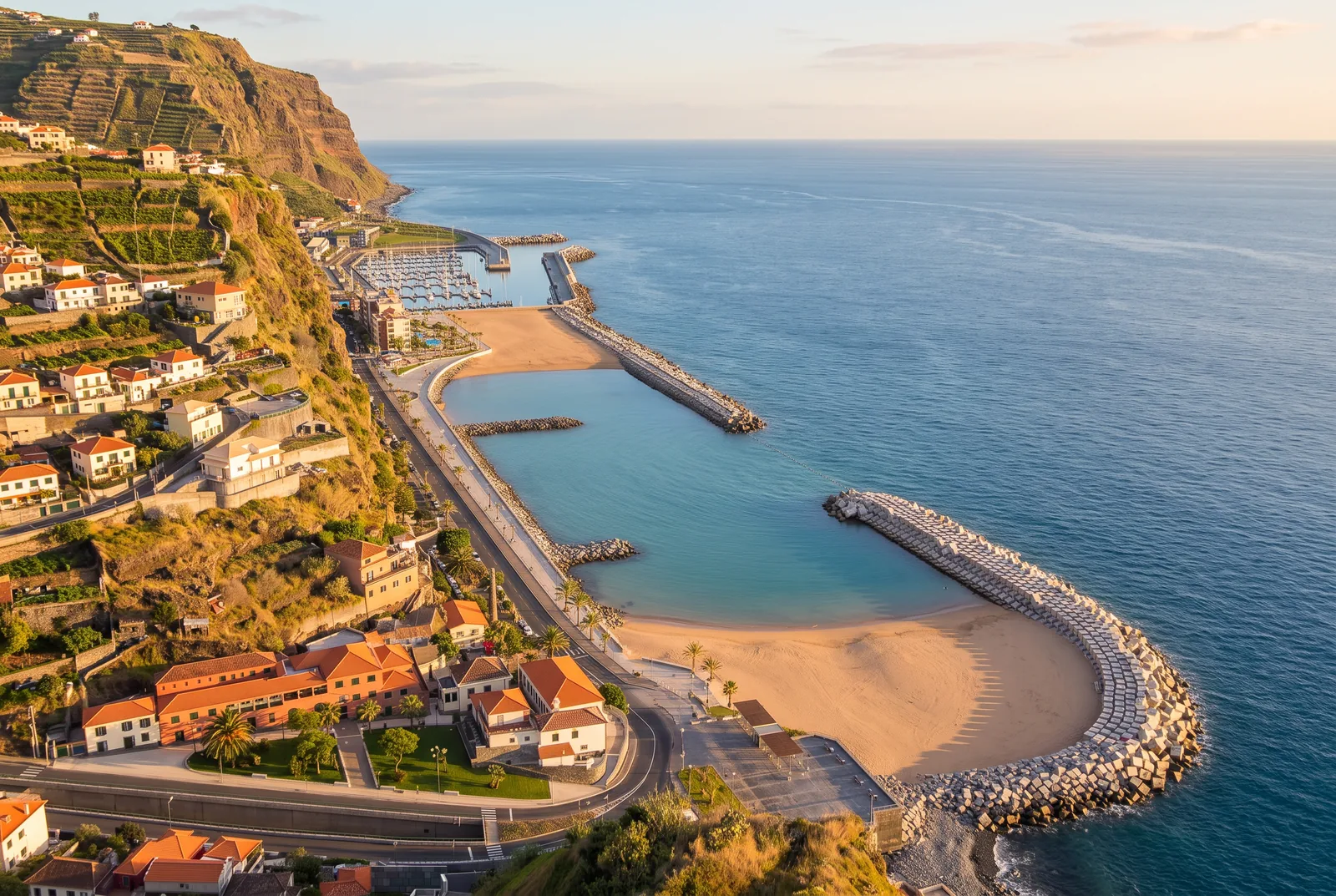
Calheta is the west coast's success story: a marina, a golden beach built with imported sand, a respected arts centre in Casa das Mudas, and banana terraces on one of the island's driest coasts. Accommodation skews towards modern villas with pools and ocean views, and surfers use it as the gateway to Jardim do Mar and Paul do Mar. With a car, especially for a second visit or the sunny half of a split stay, Calheta is a genuine pleasure.
- Best for: sun, sand, a villa with a pool, surfers heading further west.
- Distance: 35 to 45 minutes from Funchal by the fast road, the airport beyond the capital again (map).
- Car: needed. Without one you will feel stranded.
- Swimming: a sheltered golden sand beach behind breakwaters, plus the marina.
- Evenings: quiet, and you will drive for dinner options.
- Nightly rate 2026: 10 to 30 percent below Funchal, except the newer ocean view villas, which price like the capital.
- Skip if: it is your first visit and you want restaurants on your doorstep.
5. Ponta do Sol
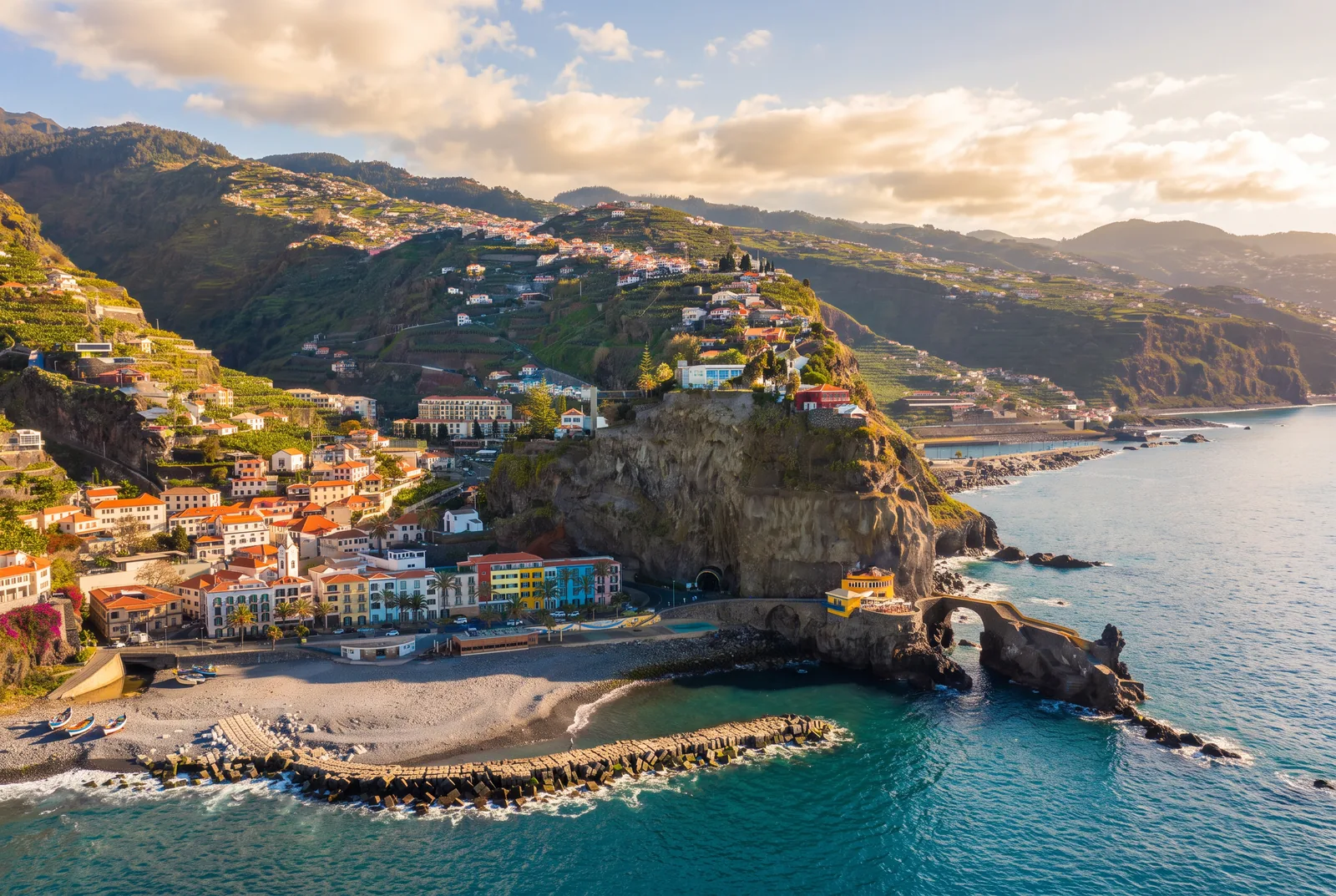
Tiny Ponta do Sol, a short drive east of Calheta, is famous out of proportion to its size: since 2021 it has hosted Madeira's digital nomad village, an initiative led by Startup Madeira that gives registered remote workers free coworking space and a ready made international community. If you are coming to work remotely for a month or more and want community above convenience, this is the address. On a one week holiday, treat it as a lunch stop: it is small, steep and quiet at night even by west coast standards.
- Best for: remote workers staying a month or more.
- Distance: a short drive east of Calheta, itself 35 to 45 minutes from Funchal by the fast road (map).
- Car: needed for anything beyond the village.
- Swimming: a pebble beach between the cliffs.
- Evenings: one of the island's best sunset bars, and quiet after it.
- Nightly rate 2026: outside Funchal, so 10 to 30 percent below the capital.
- Skip if: you have one week and a long sightseeing list.
6. Machico and the east
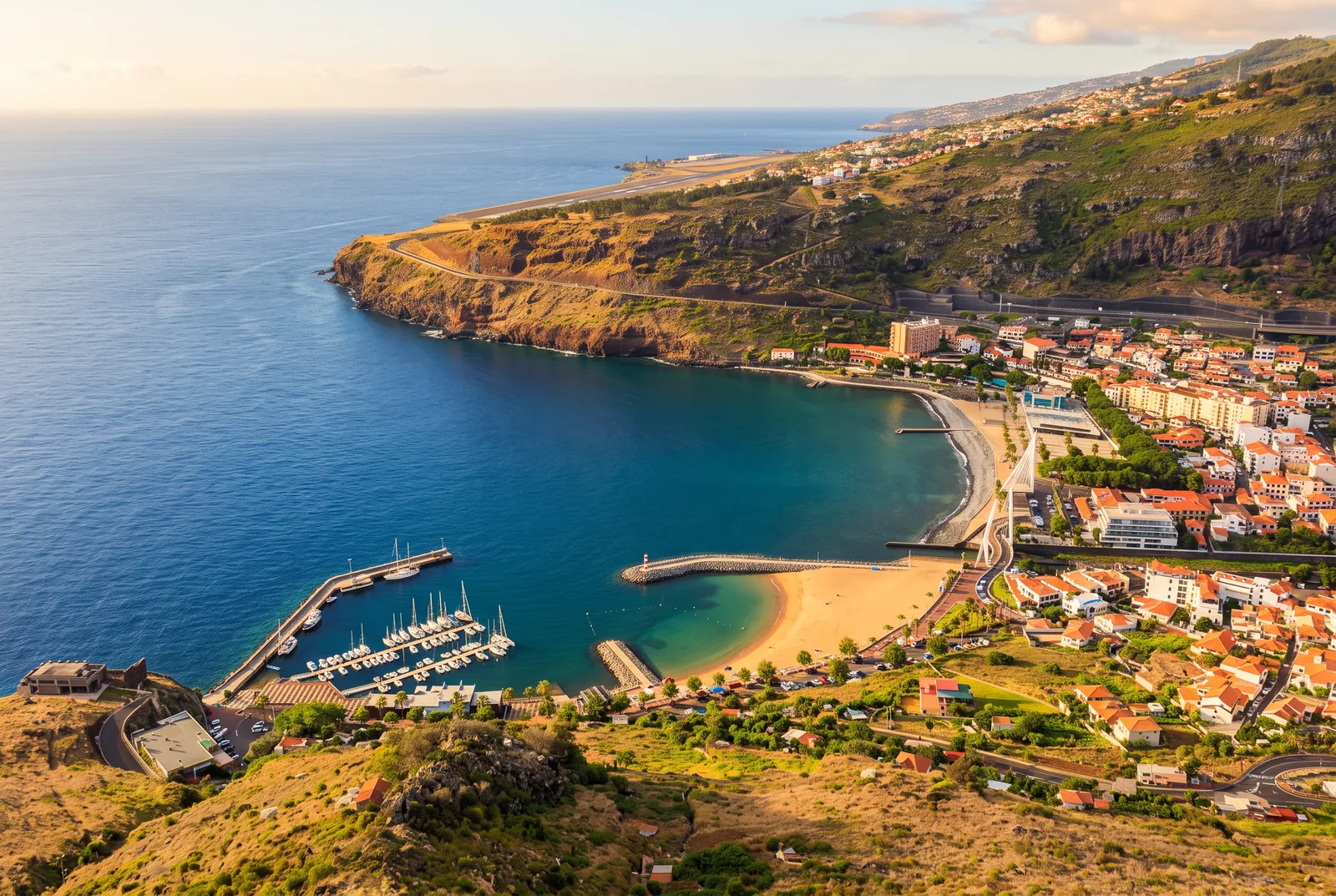
Machico, where the first settlers landed, sits in a broad valley with a golden artificial beach, a town centre at everyday prices, and a ten minute drive to the airport. It is the natural base for the east's big walks: the coastal desert of Ponta de São Lourenço starts around the corner, and Caniçal's whale museum is next door. The east gets its own weather, often sunny when Funchal sits under cloud.
- Best for: families, early flights home, the eastern walks.
- Distance: ten minutes by car to the airport, with Caniço and then Funchal beyond it on the same coast road (map).
- Car: needed for the rest of the island, though the town works on foot.
- Swimming: a golden artificial beach on a calm bay.
- Evenings: low key, honest restaurants, thin choice.
- Nightly rate 2026: outside Funchal, so 10 to 30 percent below the capital.
- Skip if: you want a night out within walking distance.
7. Caniço and Garajau
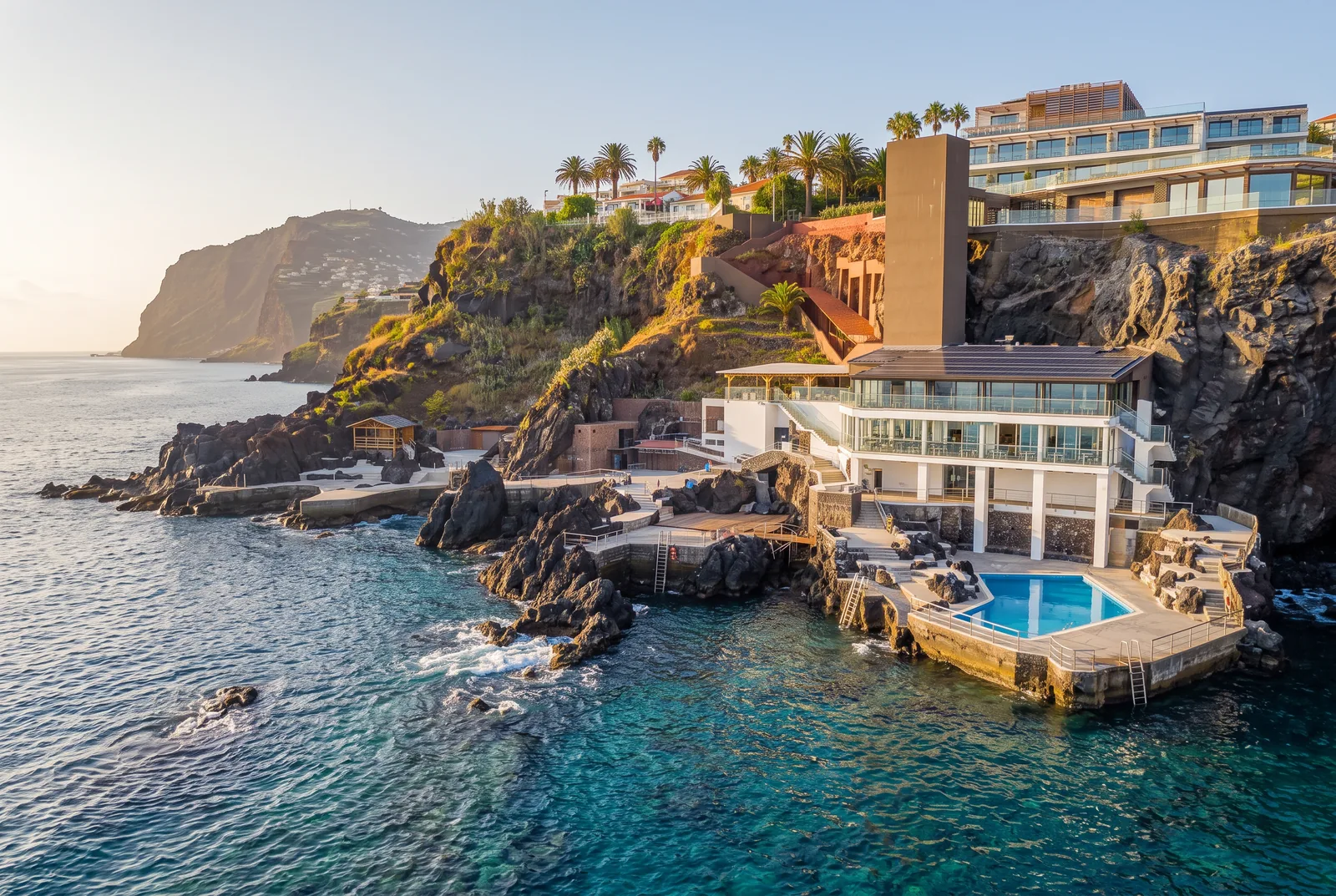
Between Funchal and Machico, Caniço de Baixo and Garajau stack hotels and aparthotels along a dramatic cliff above the Garajau marine reserve, some of the island's best diving water, patrolled by groupers the size of dogs. Choose the property carefully, though: this coast is vertical, and a lift down to the sea is the difference between swimming every day and admiring the water from your balcony.
- Best for: divers, snorkellers, families wanting a resort week.
- Distance: about twenty minutes by car or a cheap ride to central Funchal, on the airport side of the city (map).
- Car: optional, with cheap rides filling the gaps into Funchal.
- Swimming: concrete terraces on lava rock inside a marine reserve, not sand.
- Evenings: resort quiet.
- Nightly rate 2026: outside Funchal, so 10 to 30 percent below the capital.
- Skip if: the property has no lift or easy path down to the water.
8. Santana, São Vicente and Porto Moniz
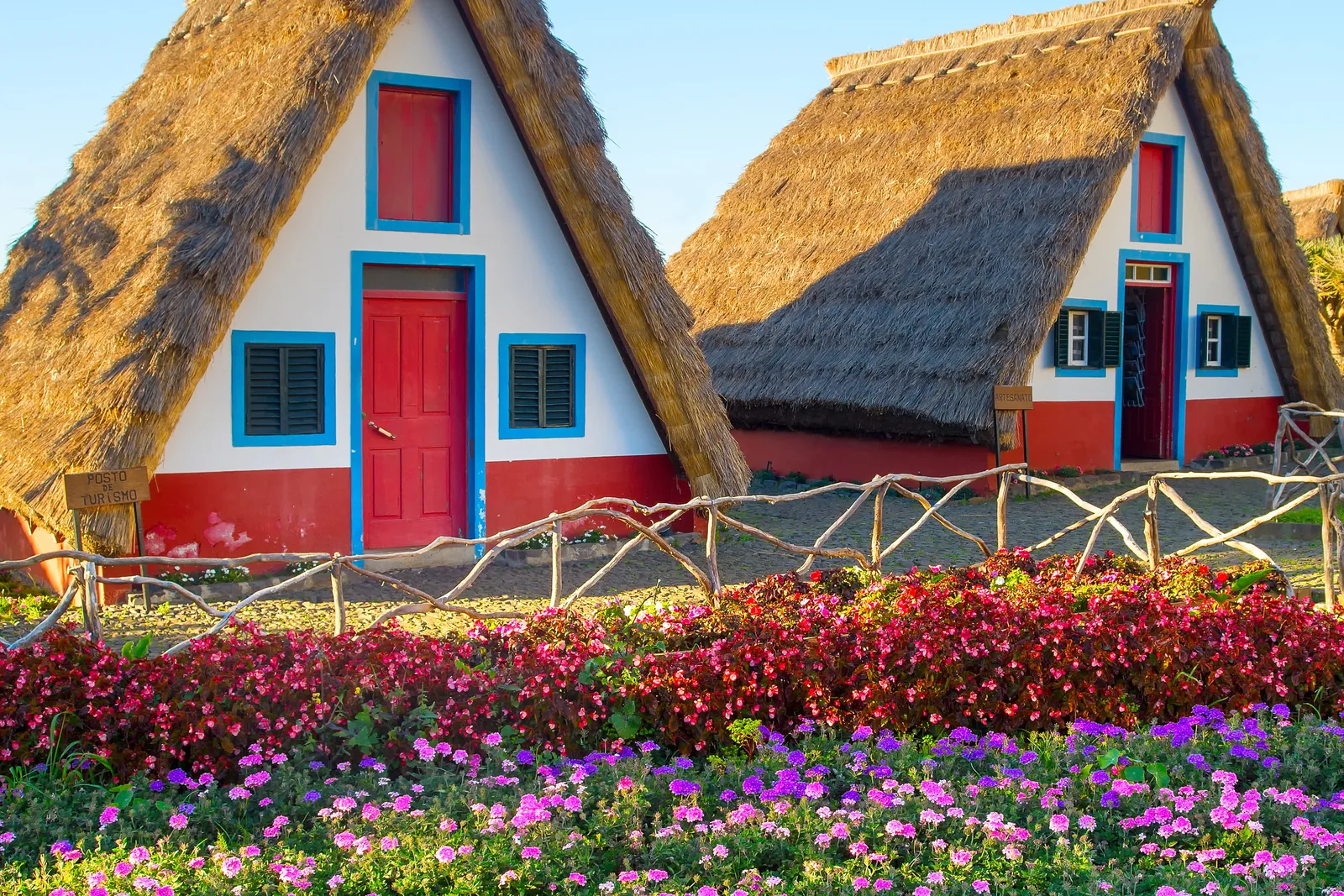
The north coast is the Madeira of the postcards with waterfalls: laurel forest spilling down to a violent blue sea, the thatched A-frame houses of Santana, the green valley of São Vicente, and the lava pools of Porto Moniz. The trailheads for Queimadas and Caldeirão Verde sit just above Santana, and a night or two here after the day crowds leave is one of the island's great experiences.
As a full week base, we counsel honesty: the north is markedly cooler and wetter than the south, especially from October to April, and dinner options are few and close early. One or two nights, yes, enthusiastically. Seven, only if the hiking is the whole point of your trip.
- Best for: one or two nights of drama, and dawn on the northern trails.
- Distance: every trip to Funchal or the airport crosses the island (map).
- Car: needed, and a poor idea without one.
- Swimming: the lava pools of Porto Moniz, weather permitting.
- Evenings: few options, and they close early.
- Nightly rate 2026: outside Funchal, so 10 to 30 percent below the capital.
- Skip if: you have a week and hiking is not the point of the trip.
Where to stay in Madeira for hiking
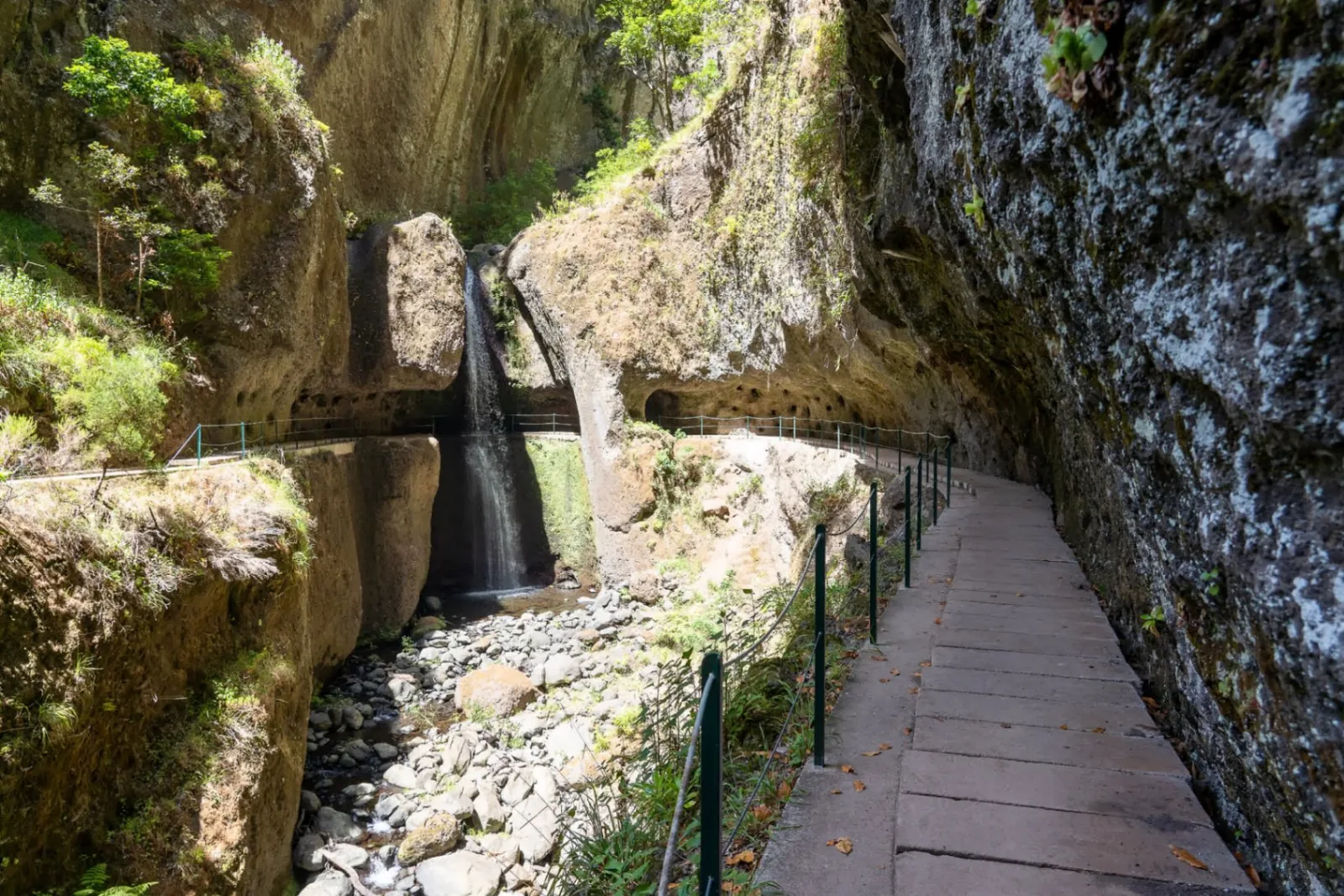
Walking the official trails is no longer as spontaneous as it was, and that changes where you sleep. Being close to a trailhead no longer guarantees you can walk it at the hour you want: you need an available slot, acceptable conditions and the route to be open at all. For a first trip I prefer a reasonably central, flexible base over accommodation chosen purely for its proximity to one levada. Book in advance what genuinely needs booking, and keep slack between the days: fog on the peaks can turn the best plan for Tuesday into the best plan for Thursday.
On a first trip I would choose the location for convenience. On later trips I would choose it for the experience, and that is when I would send someone to the north, to Calheta, to Ponta do Sol or to somewhere genuinely rural. Most classic levada walks start in the interior and north, so no base is "next to" all of them. Funchal is the practical compromise: Rabaçal, Queimadas and the Pico do Arieiro trailheads are all 35 to 60 minutes away by car. For routes, see our guide to the best levada walks in Madeira.
One planning point catches hikers out. As of mid-2026 the flagship trails require a booked time slot on the government portal simplifica.madeira.gov.pt. The PR1 ridge walk from Pico do Areeiro to Pico Ruivo reopened on 27 April 2026 after more than twenty months of post-wildfire reconstruction, and it now runs one way from the Pedra Rija viewpoint onwards, Areeiro towards Ruivo. Hikers pay €10.50 as of mid-2026 and sunrise slots sell out first. The Areeiro viewpoint itself needs no trail booking, though a shorter, two-way option as far as the Pedra Rija viewpoint costs €4.50, and parking at the summit is charged by the hour, €4 in the main car park and 2 in the lower one. An early slot is far easier to make from Funchal than from the far west.
For a walking heavy trip, the smart pattern we see from experienced guests is a split: most of the week in Funchal for comfort and logistics, plus one or two nights in Santana or São Vicente to catch the northern trails at dawn. And if your goal is the views rather than the miles, our guide to the top 10 viewpoints of Madeira shows how much of the drama you can reach on four wheels.
Where to stay in Madeira without a car
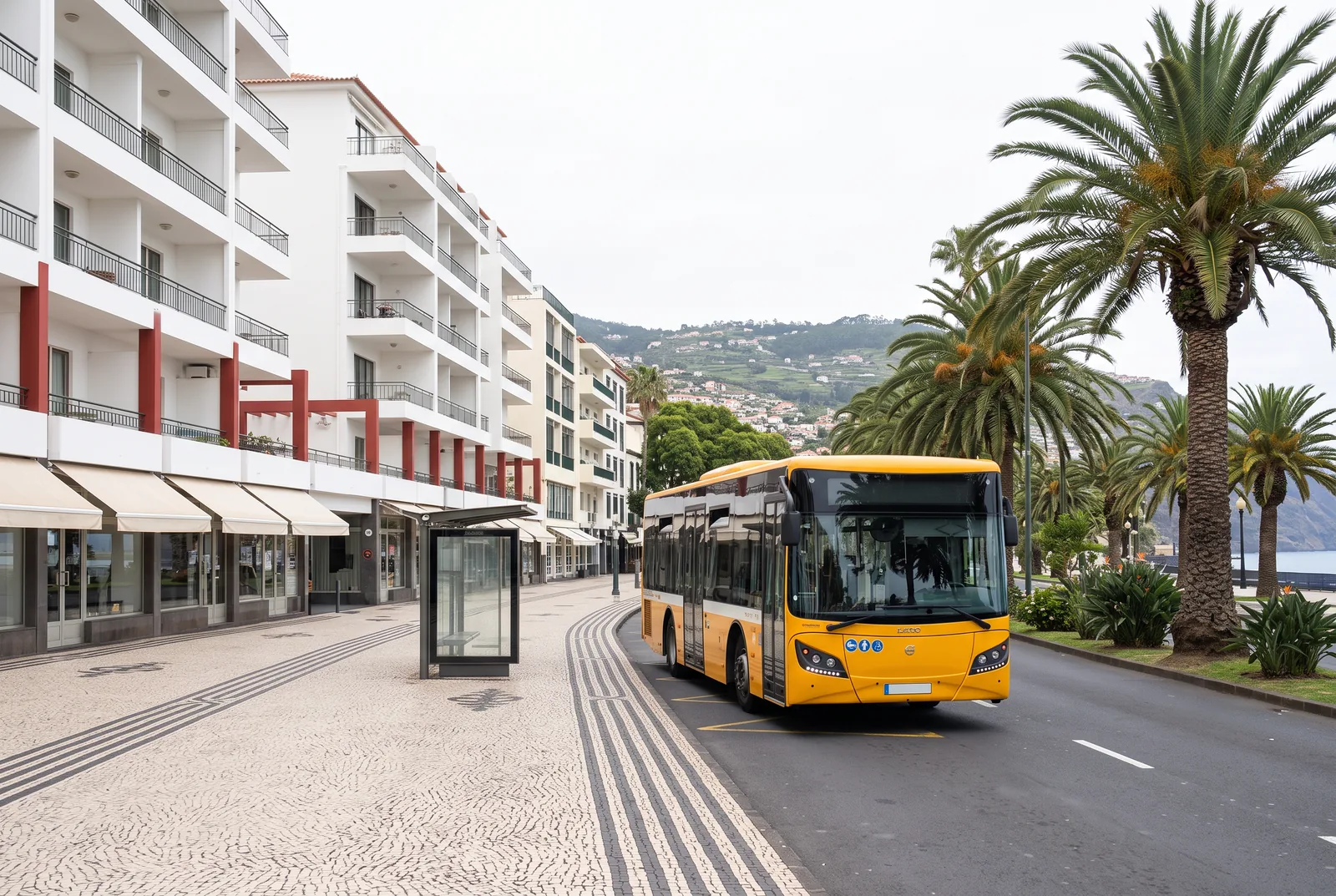
It is doable if you base yourself in Funchal: urban buses cover the city, regional buses reach many trailheads, and tour pickups are hotel standard. Outside Funchal a car is close to essential. The network is much easier to use since the island's four historic operators were folded into the unified SIGA network in 2024, with one website for timetables and day passes.
Set expectations, though: buses reach most towns and several trailheads, but at times built for schoolchildren and commuters rather than hikers, so a walk like Rabaçal without a car usually means a guided tour with pickup. Our carless guests do best mixing three ingredients: walkable Funchal as the base, one or two organised tours for the far corners, and the occasional Bolt for stubborn gaps. It works, and it is far less stressful than driving the old cliff roads yourself.
- Base: central Funchal, walkable and on the urban bus network.
- Airport: the Aerobus along the seafront to the Lido, €6.70 paid on board as of mid-2026, cash only, or 5.55 with a pre-loaded GIRO card, which you cannot buy at the airport.
- City: urban buses, the cable car for Monte, Bolt or taxis for the gaps.
- Far corners: an organised tour with pickup, or a bus day around two fixed departures.
What it costs in 2026
Prices move with season and view, but as of mid-2026 these bands hold in and around Funchal.
- Budget: roughly 50 to €90 for guesthouses, studios and older apartments away from the seafront.
- Mid range: roughly 100 to €180 for a good apartment in the centre or a four-star hotel room, where most travellers land.
- Premium: roughly 200 to €400 and up for five-star hotels and villas with pools.
- Outside Funchal: comparable places run 10 to 30 percent cheaper, except Calheta's newer ocean view villas, which price like the capital.
- Value window: November to March, often 20 to 40 percent below summer.
- Peak weeks: the week around New Year is the highest of the year. July, August and the Flower Festival weeks are the second peak.
- Tourist tax: several municipalities charge one, Funchal among them, at €2 per person per night for the first seven nights as of mid-2026, collected by your accommodation, children under 13 exempt.
- Trail fees: €10.50 per person for a booked PR1 slot as of mid-2026, plus hourly parking at the Areeiro summit, €4 an hour in the main car park.
- Booking ahead: three to six months for the summer and the Flower Festival, six months to a year for New Year, a few weeks otherwise.
The base I would talk you out of
There is no area of Madeira I would rule out for everyone. The problem is choosing an excellent area for the wrong kind of trip. I would not pick Porto Moniz, Seixal or the more isolated parts of the north coast as a base for a short first visit. Some of my favourite landscapes are up there, but there is a large difference between visiting Seixal and being based in Seixal for the whole trip. If you want Funchal, Câmara de Lobos, Ponta de São Lourenço and Pico do Arieiro on consecutive days, you will spend too much of the holiday in the car.
I would also not recommend the remoter areas to anyone not renting a car. A restaurant three kilometres away does not necessarily mean you can walk to it: there may be a very steep road with no pavement. The same applies to the rural houses in the mountains: I would happily spend a weekend at one, which is not the same as recommending it to a family exploring every day. And I would be careful with high altitude accommodation for anyone coming mainly for sun and a pool: a few hundred metres of altitude make a surprising difference here.
The costly error, though, is not overpaying for accommodation. It is saving 20 or €30 a night on a house far from everything and paying it back every day in car, fuel, taxis and hours of holiday lost to driving. Madeira hides this well, because distance and travel time are completely different things here: ten kilometres of motorway is one thing, ten kilometres of mountain road with bends and gradient quite another. I would look hard at the phrase "only 10 minutes from Funchal". Ten minutes from what? As far as you can actually park? If I had to reduce it to one line, the most expensive mistake is choosing the house first and building the itinerary afterwards. Decide what kind of holiday you want and which areas you want to see, and only then choose where to sleep.
After years of hosting, the same handful of errors come up again and again.
- Choosing by the map: 40 km of hairpins and tunnels can take over an hour. Check real driving times first.
- The north for a full week without a car: the single most common regret we hear.
- Expecting a sandy beach: Madeira's beaches are pebble, black sand or man made. Ocean pools are the island's real swimming culture.
- Ignoring the vertical: a listing "800 metres from the centre" can be 800 metres of gradient. Read the reviews for "steep" and "stairs".
- Leaving the peak weeks late: New Year sells out six months or more ahead.
- Forgetting winter comfort: many island apartments have no central heating. Favour south facing places near the coast.
- Unlicensed rentals: legal short term rentals carry an alojamento local registration. A listing that cannot show one is a risk.
- Too many bases: three bases in seven nights means packing three times and paying the tourist tax at each.
When you come changes where you stay
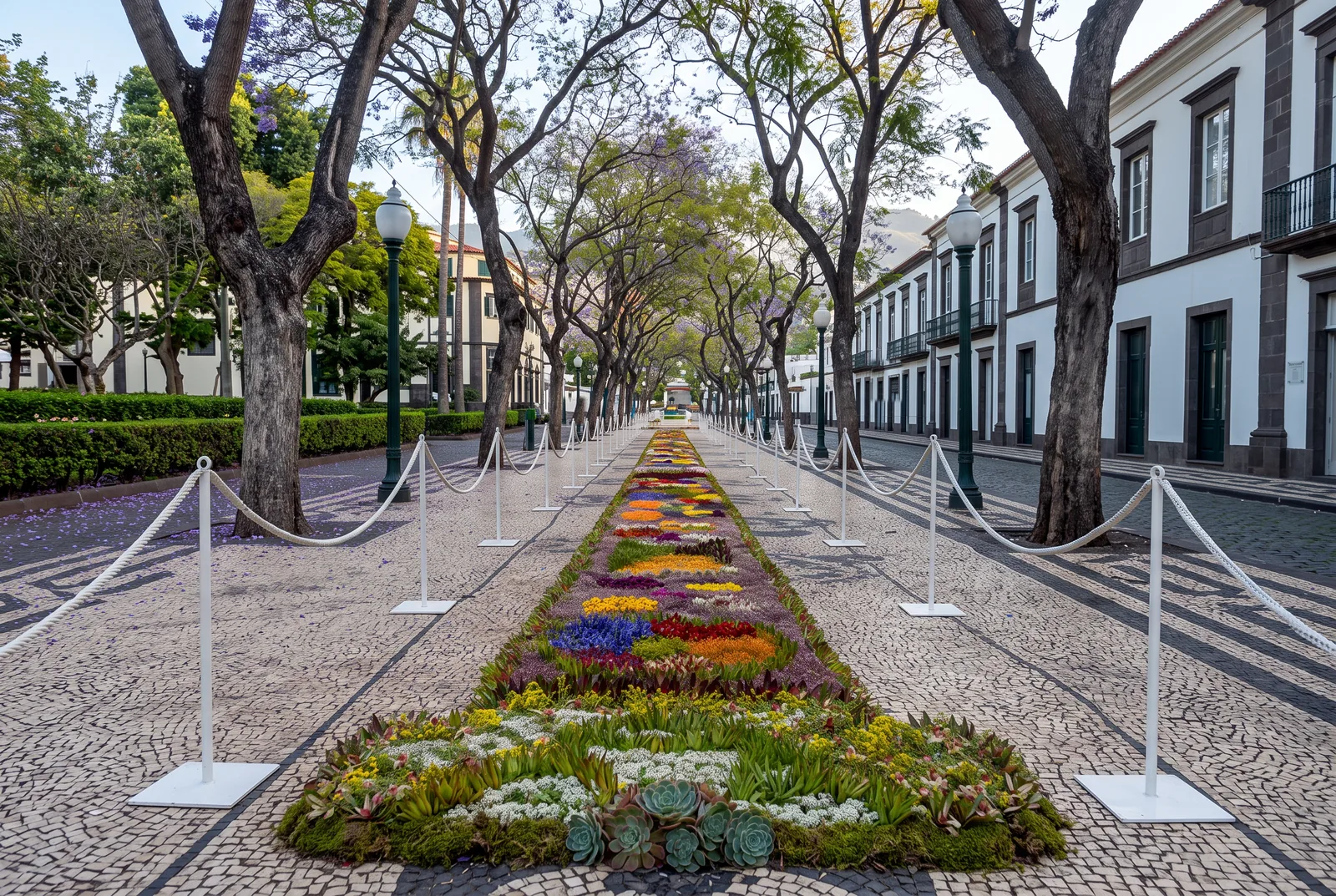
The island is not the same place in February and in August.
- December to February: mild days of 17 to 20 degrees on the south coast, the New Year fireworks over the Funchal amphitheatre, and Carnival parades in February. Stay in Funchal near the seafront. The north is at its wettest, so day trip there rather than sleeping there.
- March to May: the Flower Festival takes over Funchal, the 2026 edition running from 30 April to 31 May. The parades follow the central avenues, so a walkable Funchal base earns its keep twice over.
- June to August: the warmest, busiest months, with the Atlantic Festival lighting fireworks over the bay on June Saturdays. A cloud cap locals call the capacete can sit over Funchal while the east basks in sun, so east side day trips rescue grey mornings. The sea reaches 22 to 23 degrees by late August.
- September to November: our favourite stretch. The sea is at its warmest in early September, the Wine Festival celebrates the harvest from late August into September, crowds thin, and hiking weather is often the year's most stable.
Where to stay in Madeira in winter and December
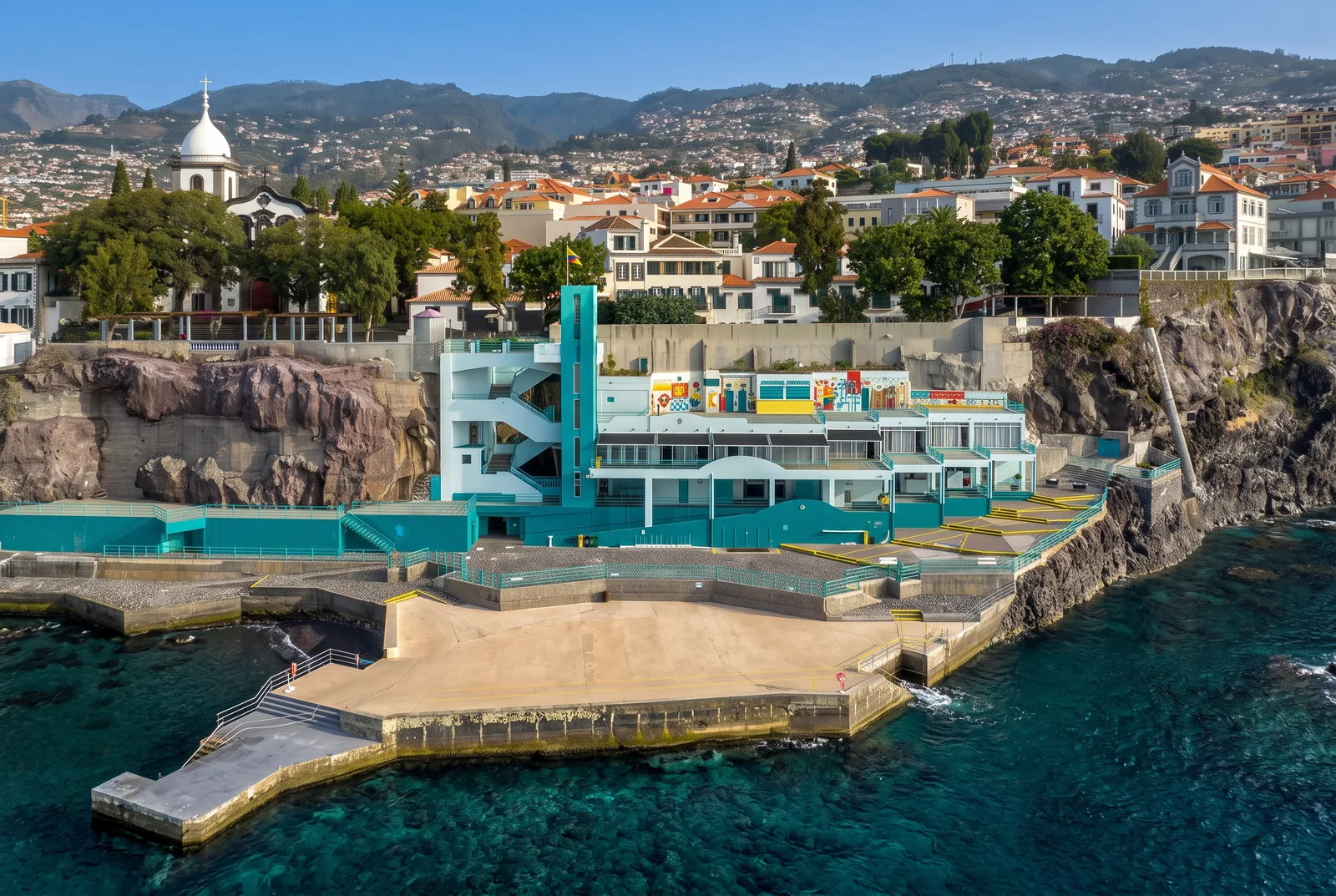
Winter is the island's quiet superpower: 17 to 20 degrees, whale watching, poinsettias in bloom, and the New Year fireworks. The Lido seafront keeps its microclimate sunshine, and monthly winter stays are popular with remote workers and northern Europeans escaping the cold. November is quietly wonderful, and underrated enough that we wrote a whole piece on Madeira in November.
If a long winter stay brings you here, the choice narrows usefully: the south coast for light, a seafront or south facing property for warmth, walkable daily life so the stay feels like living rather than visiting, and reliable internet if you are working. That describes central Funchal and the Lido almost exactly, which is why both of our properties fill with monthly guests from November through March, and why we recommend booking winter months earlier than the season's low prices might suggest.
Frequently asked questions about where to stay in Madeira
Where should I stay in Madeira for a first visit?
Funchal. It concentrates the restaurants, transport and mild weather, and everything else on the island is a day trip from there.
Where is the best area to stay in Funchal?
The old town if you want to walk to dinner, the Lido and Estrada Monumental seafront if you want ocean views and pools. They are about ten minutes apart by car.
Where should couples and families stay in Madeira?
For both, the Lido seafront: sunsets and the promenade if you are two, pools and calm swimming if you are four. With a car, Calheta's sandy beach and villa pools are the family alternative.
How many nights do I need in Madeira?
Five to seven nights covers Funchal, two or three levada walks and the highlights without rushing. If you are combining the island with the mainland, three or four nights in Lisbon and a week here is the usual pattern, and our Lisbon neighborhood guide covers that leg.
Is it better to stay in Funchal or outside?
For a first visit and for most week long trips, Funchal. Base yourself outside only if you have a car and a specific reason, like surfing in Jardim do Mar or hiking the north.
Where do you host guests in Madeira?
In two places we know street by street: a townhouse in Funchal's centre and a top-floor penthouse on the Lido seafront, both bookable directly with no platform fees.
Related topics: where-to-stay