Getting around Madeira: car hire, buses and the airport to Funchal
Miguel Filipe · 14 min read · Updated 12/Oct/2026
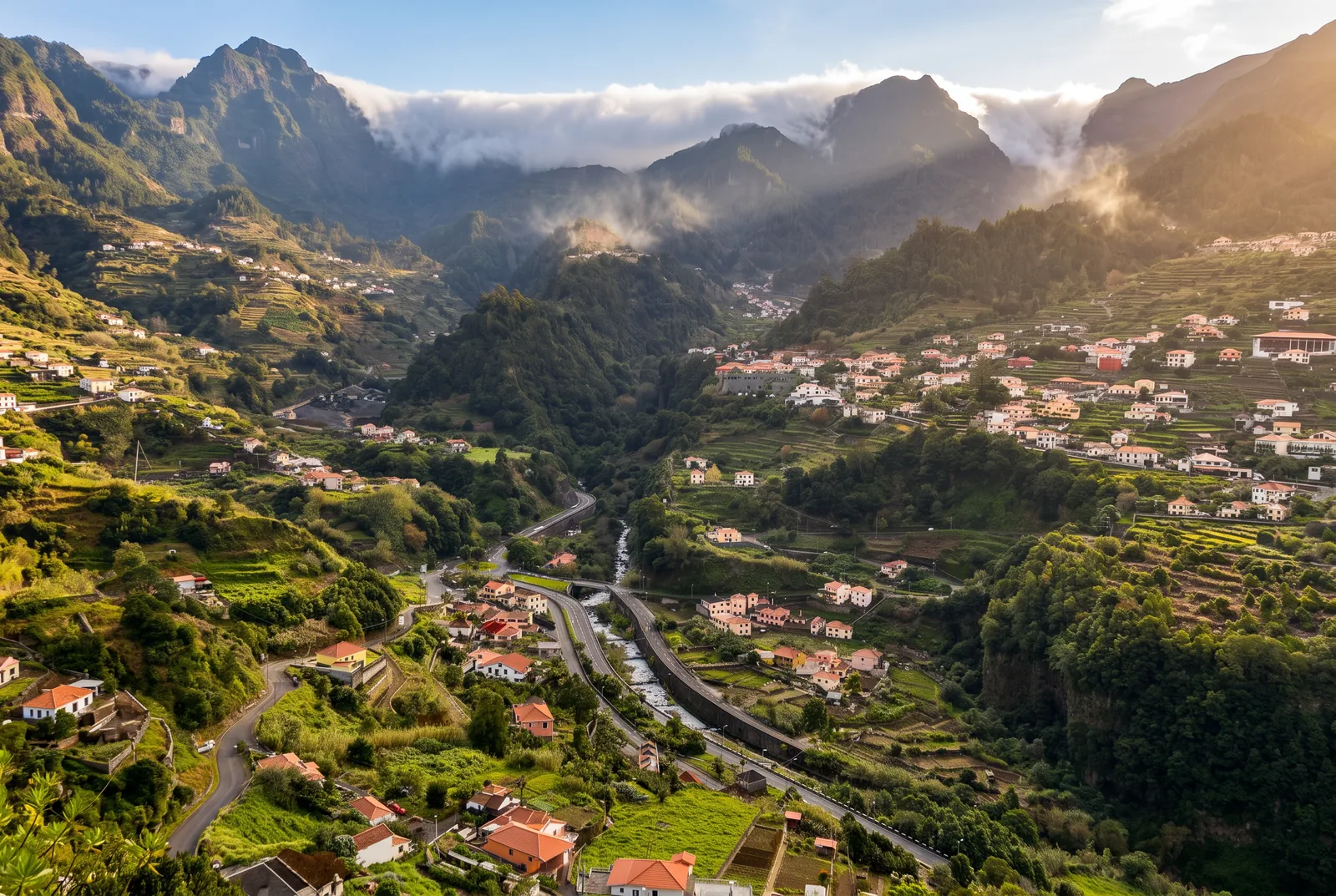
How to get around Madeira in 2026: the Aerobus and taxis from the airport, whether you need a car, car hire and driving tips, parking and trail fees, the renumbered SIGA buses and the ferry to Porto Santo.
Getting around Madeira in one minute
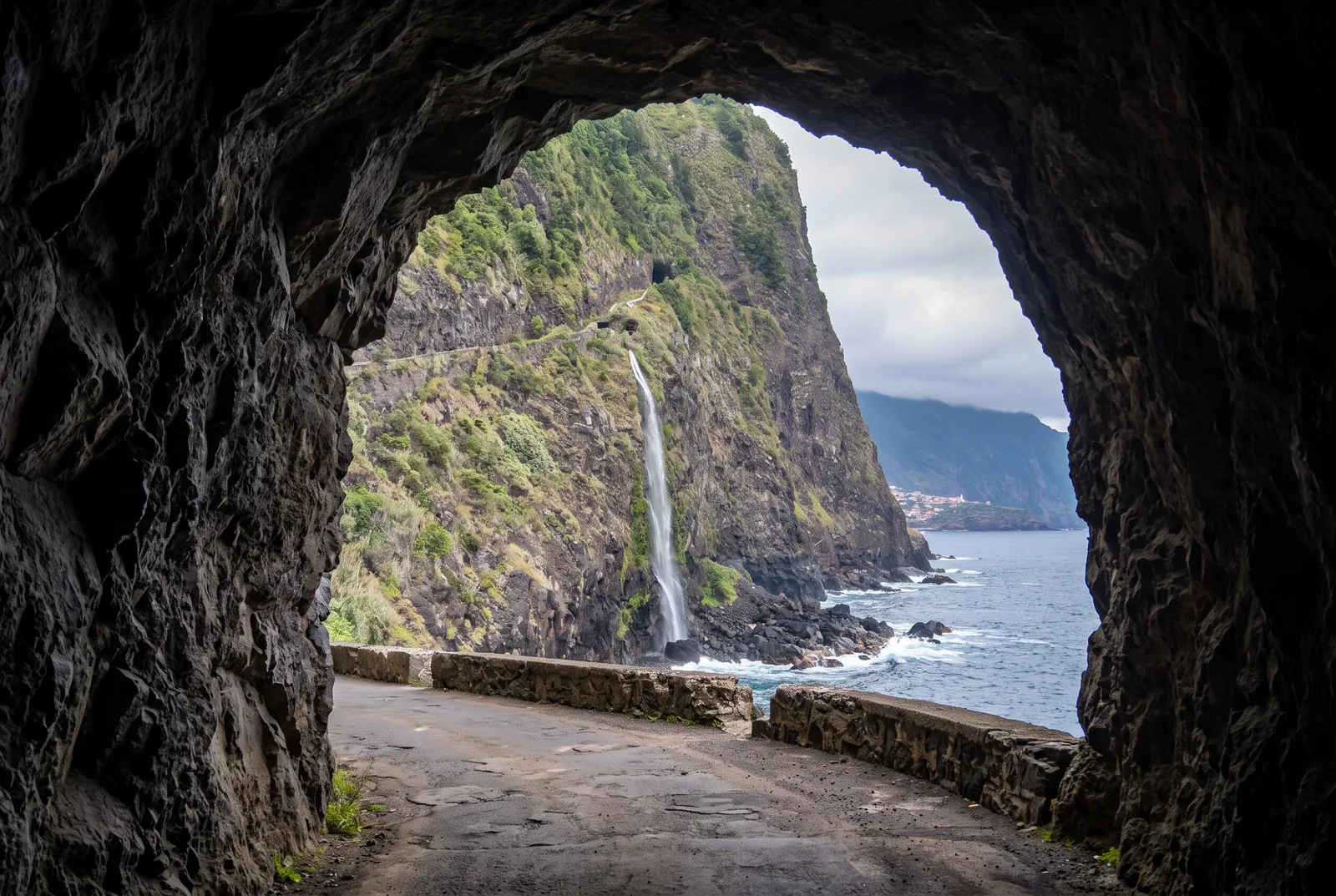
Madeira is small on the map and large on the ground. The island is about 57 km long, but its roads climb from the sea to 1,800 metres, dive into tunnels and fold into valleys, so distances are better counted in minutes and gradients than in kilometres. How you get around depends less on the island than on two decisions: where you sleep, and how many days you want to spend outside Funchal.
The question our guests ask most is simple: do we really need to rent a car? My honest answer, after renting cars here several times, taking taxis and ride-hailing cars around Funchal and riding the city buses, is that it depends on the days, not on the trip. For Funchal itself, not necessarily. To explore the island freely, the levadas, the viewpoints and the rural corners, a car is still the most practical option for most people.
- Airport to Funchal: the Aerobus (line 500) for €6.70 on board, or a taxi for roughly €25–35.
- Funchal: on foot, city buses, taxis and Bolt; a car is a burden in the centre.
- Island days: a hire car, from about €20 a day in low season to €40–70 in high season for a small car.
- Buses: €2.05 to €2.65 a trip in cash on board, less with a Giro card; good along the south coast, thin elsewhere.
- Without a car: a day tour or a taxi for the day covers the north and the mountains.
- Porto Santo: the ferry from Funchal, or a 25-minute flight.
From Madeira airport to Funchal
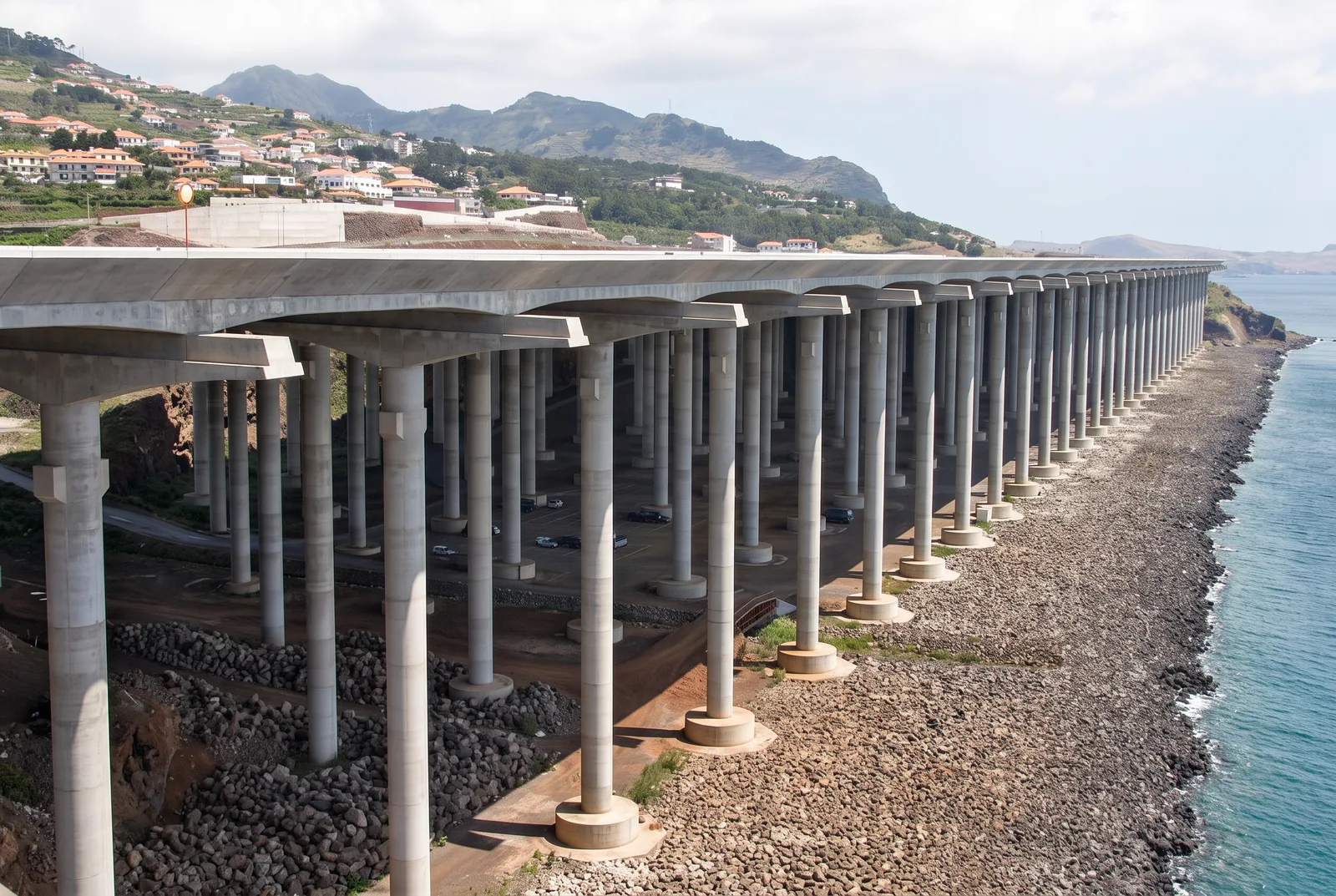
Madeira airport (Cristiano Ronaldo International) is at Santa Cruz, on the east coast, about 20–25 minutes from central Funchal by road. One of the most common mistakes I see is arriving without having decided how to get to the accommodation. Taxis and ride-hailing apps both work well, but have a plan, especially for a late flight or when you are travelling with children and a lot of luggage.
The Aerobus
The Aerobus, now line 500 of the regional SIGA network, runs from the airport into Funchal and along the seafront to Praia Formosa. It stops on the Avenida do Mar in the centre, at the Lido and at Forum Madeira, with several stops along the Estrada Monumental on the way to its terminus.
- Cost: €6.70 paid in cash on board, €5.55 loaded on a Giro card (the card itself costs €0.50); children €3.30, as of 2026. There is no return ticket.
- Hours: from the airport roughly 08:30–22:00, every half hour in the morning and hourly in the afternoon; fewer on Sundays and holidays, none on 25 December.
- Time needed: about 25 minutes to the Avenida do Mar, nearly 40 to the Lido and around 50 to Praia Formosa.
- Best for: travellers with light luggage arriving in daylight.
If you are staying at our Beachfront penthouse in the Lido, the Aerobus stops along the Estrada Monumental, a short walk from the building, which makes it the cheapest arrival on the island. For our Downtown villa, facing the Municipal Gardens, the centre stops are the ones to use; tell us your flight and we will point you to the nearest.
Taxi, Bolt and transfers
The taxi rank is just outside arrivals, on the ground floor. Taxis are metered and regulated: as of February 2026 the meter starts at €4.00 by day and €4.80 at night and all day at weekends and on holidays, with €1.50 for luggage. A ride to central Funchal usually costs about €25–35. Bolt also works from the airport, and a private transfer booked in advance costs about €30–40 per car.
Hire car desks
Eight rental companies have desks in the arrivals area, before you leave the terminal, and others run a short shuttle to an office nearby. When I have rented, in April 2023 and September 2024, I collected the car at the airport, which saves a taxi into town and a second trip back.
One more thing about the airport: it is exposed to wind, and on a few days a year flights are delayed, diverted or cancelled, as on 12 and 13 September 2026. If you land late after a diversion, a taxi is the reliable way in, since the last Aerobus leaves the airport around 22:00.
Do you need a car in Madeira?
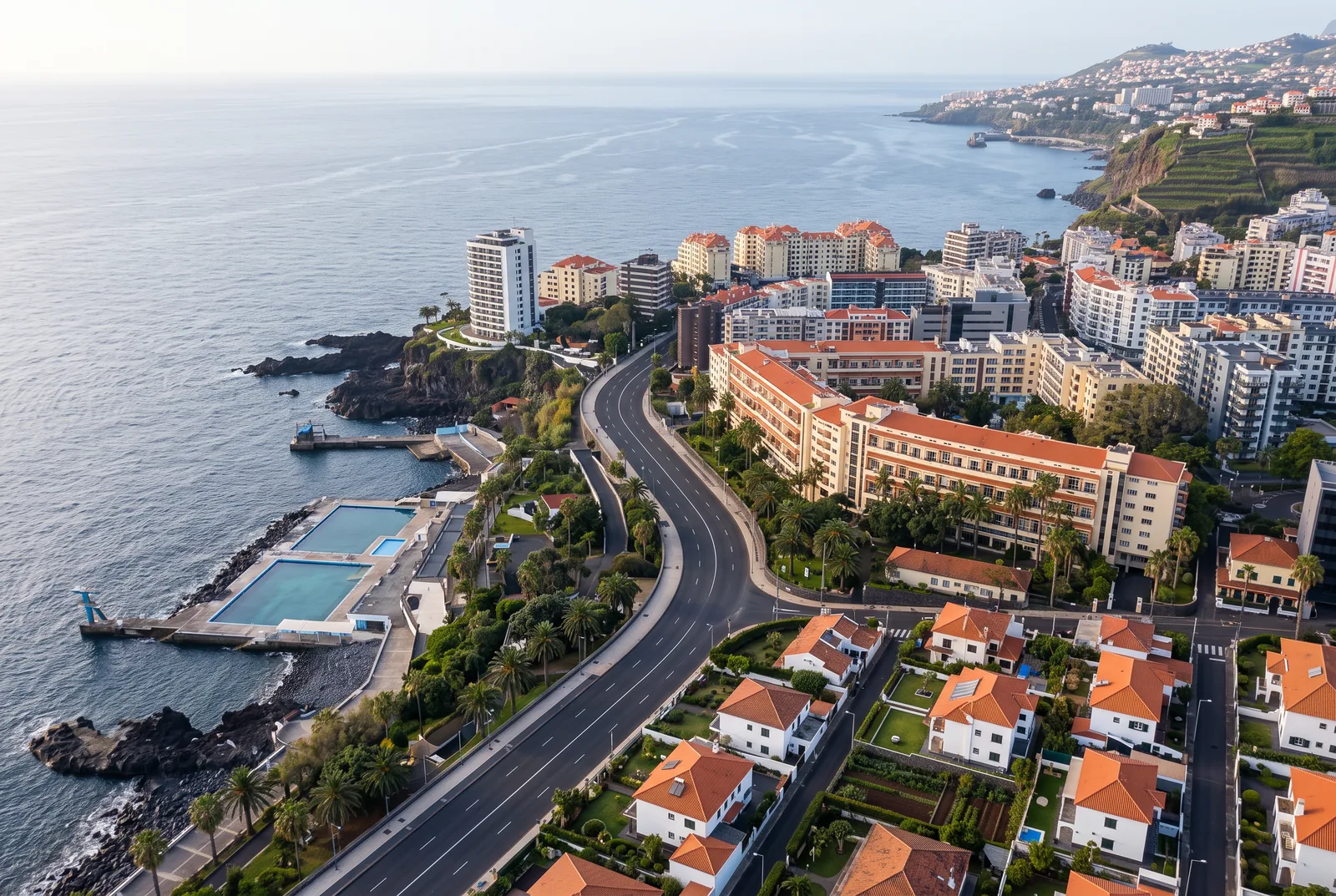
For a holiday based in Funchal, not necessarily. The centre is compact enough to walk, buses climb to Monte and the Botanical Garden, and taxis and Bolt fill the gaps. To explore the island with freedom, the levadas, the high viewpoints and the rural north, a car is still the most practical option for many people, because the buses that reach those places run a few times a day, if at all.
The better decision is not "car or no car" but "how many days". Plan the Funchal days without one, then hire a car only for the block of days you will spend crossing the island. It saves money, and it saves you from the hardest part of driving here, which is parking in the city.
- No car needed: Funchal, Monte, the gardens, Câmara de Lobos, Cabo Girão, Machico and the airport run.
- Possible by bus, as a full day: Santana and Porto Moniz, watching the last bus back.
- Car or tour needed: inland levada trailheads such as 25 Fontes and Fanal, Pico Ruivo, and anything on a Sunday in the countryside.
Where you stay changes the answer. Our Downtown villa is in the centre, where the bus network converges, and it is a house for people who want to explore Funchal without a car. The Beachfront penthouse has a bus stop at the main gate and a private space in the building's underground garage, which makes it the easier base if you do hire a car. Our guide on where to stay in Madeira compares the areas.
Car hire in Madeira: tips before you book
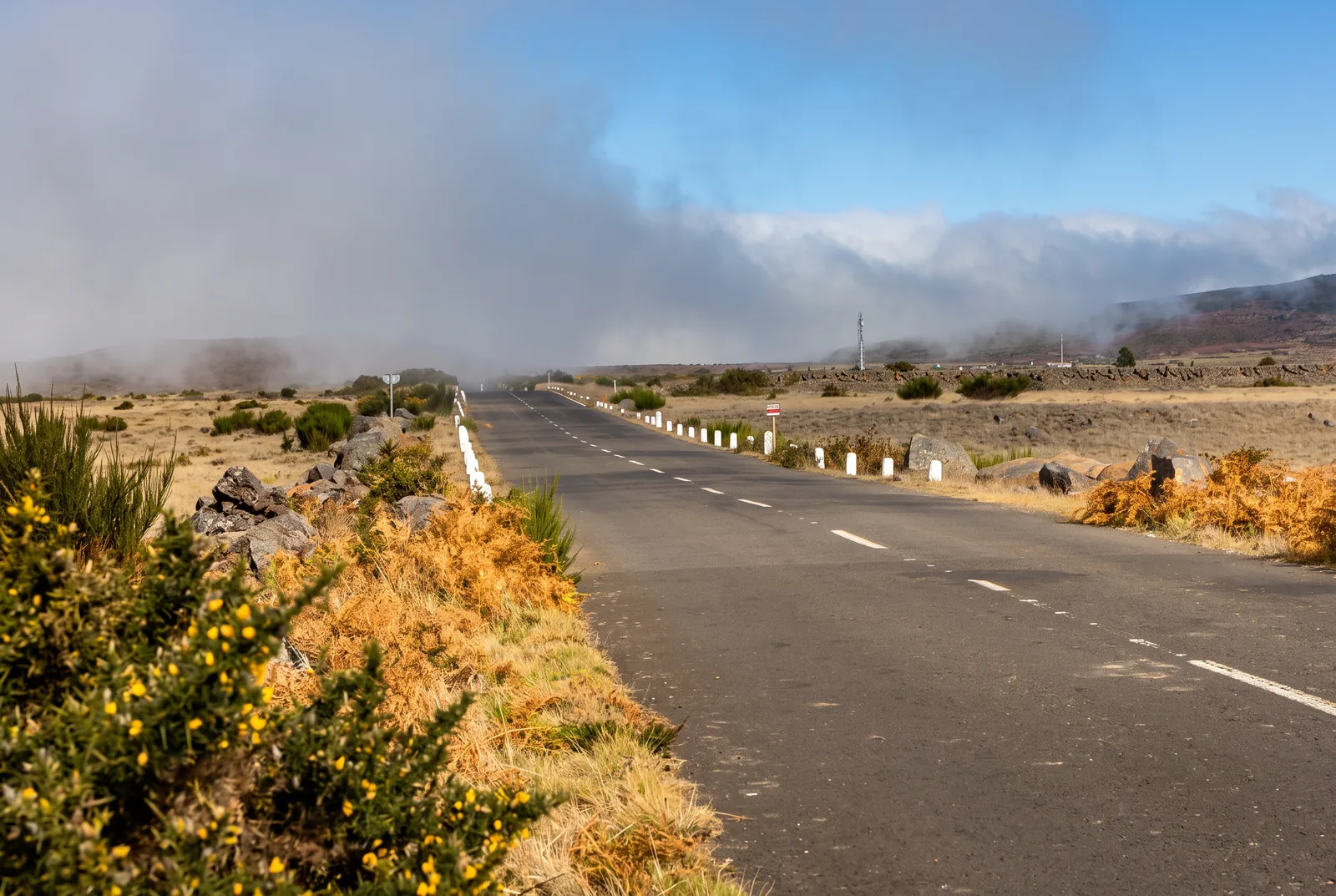
The most common mistake is choosing the car on price alone, without thinking about the hills, the size or the luggage. The cheapest category on the booking site is usually the smallest engine, and on a 20% gradient with four people and suitcases that is the wrong saving. I would choose a car with some power and, if the difference in price is not large, an automatic.
- Price: a small car runs from about €20–35 a day from November to March to €40–70 in July, August and September, as of 2026; automatics cost €5–15 a day more.
- Engine: enough power for steep climbs with passengers; a city car with the smallest engine struggles.
- Deposit: most companies block €500–1,500 on a credit card in the main driver's name; debit cards are often refused.
- Insurance: zero-excess cover is worth it on narrow roads with stone walls; check whether it is cheaper booked in advance than at the desk.
- Fuel: petrol costs about €2.00 a litre this autumn, a little less than on the mainland; return the car full rather than prepaying a tank.
- Pick-up: photograph the car all round before you drive off.
Book early for July, August, Easter and Christmas, when automatics in particular run out.
Driving in Madeira
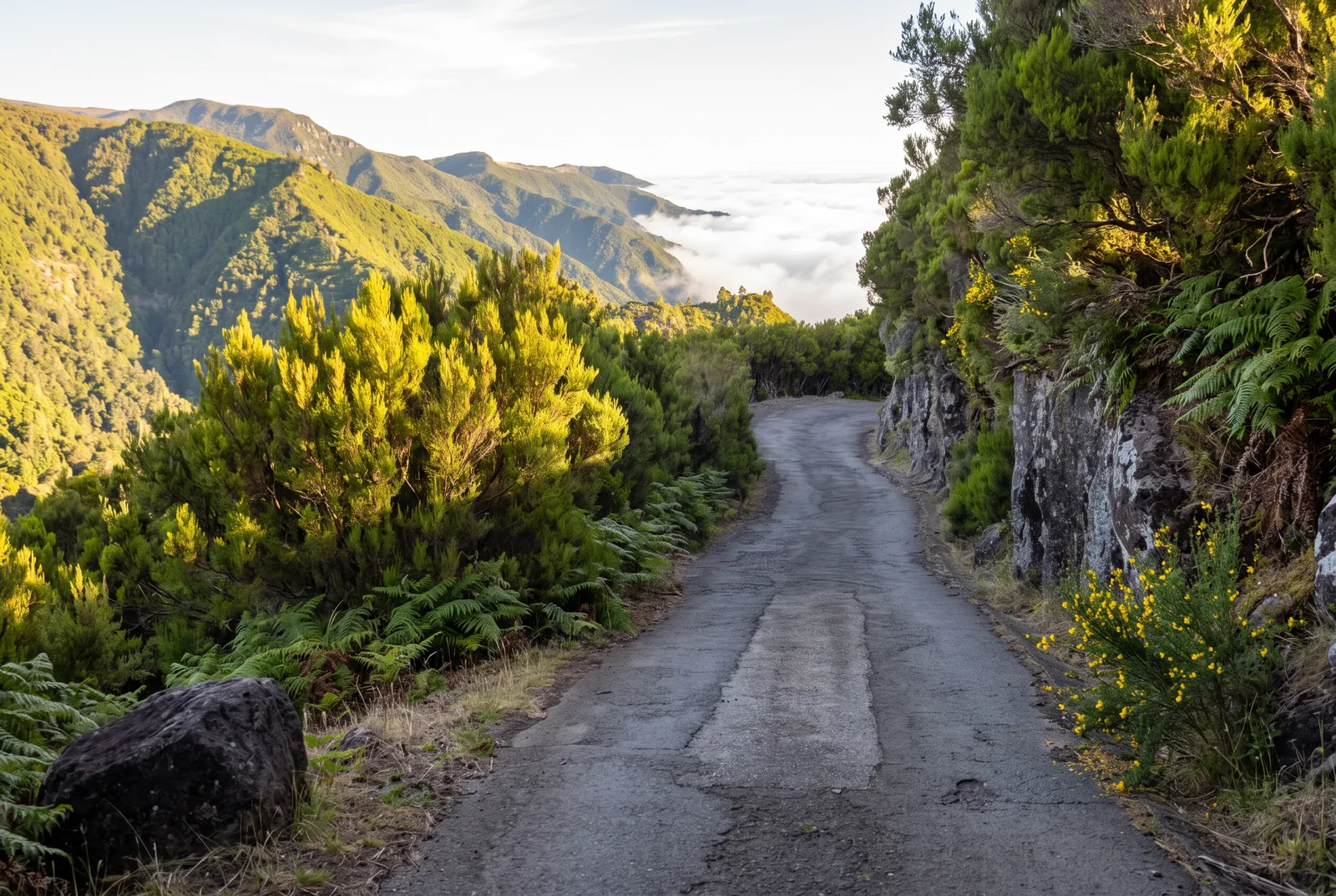
The surprise for most first-time drivers is that a road that looks short on the map can include very steep gradients, tight bends and narrow access lanes. The main roads are good: the VR1 expressway runs along the south coast from Machico past the airport and Funchal to Ribeira Brava, much of it in tunnels, and there are no motorway tolls on the island. The difficulty starts when you leave them.
- Tunnels: many, some longer than 3 km; keep the lights on and do not overtake.
- Old roads: steep, narrow and walled; on a single lane, buses and the vehicle going uphill usually have priority, so be ready to reverse.
- Navigation: a GPS will happily choose the shortest route over the easiest; on a first visit, prefer the expressway even if it looks longer.
- Mountain roads: the road over Paul da Serra and the roads to the peaks close in bad weather and at times of high fire risk; check before you set off.
None of this is a reason not to drive. It is a reason to drive slowly, to choose the right car and to plan fewer, longer days rather than many short ones.
Parking in Funchal and at the trailheads
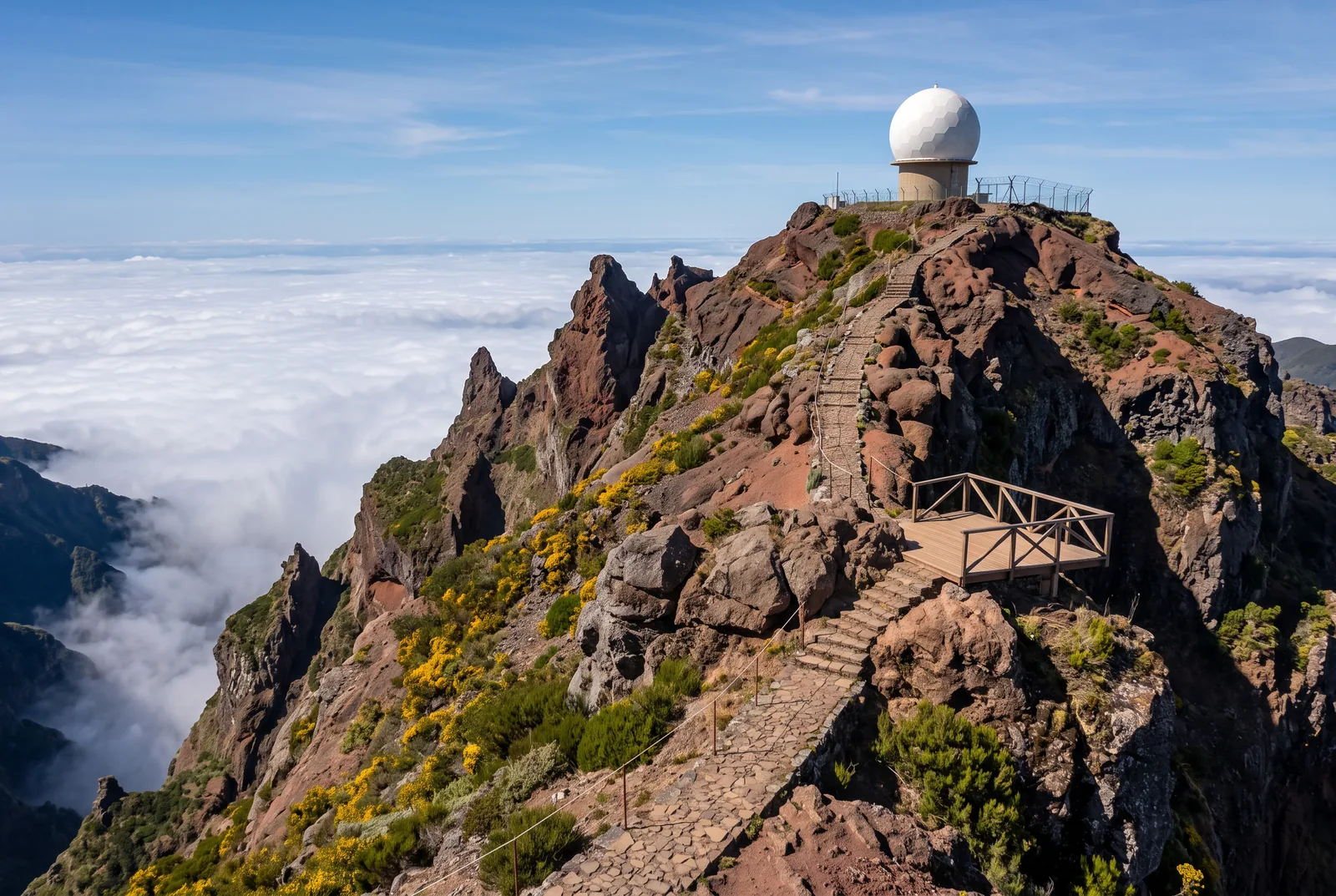
In Funchal I would not try to park right outside everything. It is often easier to leave the car in a car park and walk the last few minutes than to lose time going round in circles on steep, narrow streets. Street parking in the centre is paid on weekdays from 08:00 to 20:00 and on Saturday mornings, and free on Sundays and holidays, with several price zones; covered car parks cost a few euros for a couple of hours.
Guests of the Downtown villa leave the car at the Auto-Silo João Jardim car park, a few minutes' walk from the house, and walk everywhere from there; the Beachfront penthouse includes a private space in the building's underground garage.
Outside the city, some of the most popular places now charge for access or parking: trail fees are booked online in advance, parking and shuttles are paid on the spot.
- Pico do Arieiro: paid parking at the summit, about €4 an hour in the upper car park, card only.
- Trail fee: €4.50 per person over 12 on each classified trail managed by the regional forestry institute (IFCN), booked online only through the SIMplifica portal with timed entry slots, as of 2026.
- PR1, Arieiro to Pico Ruivo: €10.50, one way with timed entry slots, fully reopened on 1 May 2026; from Pico Ruivo you walk down to Achada do Teixeira (or to Ilha), so plan a transfer back to your car.
- Rabaçal and 25 Fontes: park on the main road and take the shuttle down, about €5 one way.
Our guide to the best levada walks has the details for each trail.
Buses in Madeira: SIGA lines, fares and the Giro card
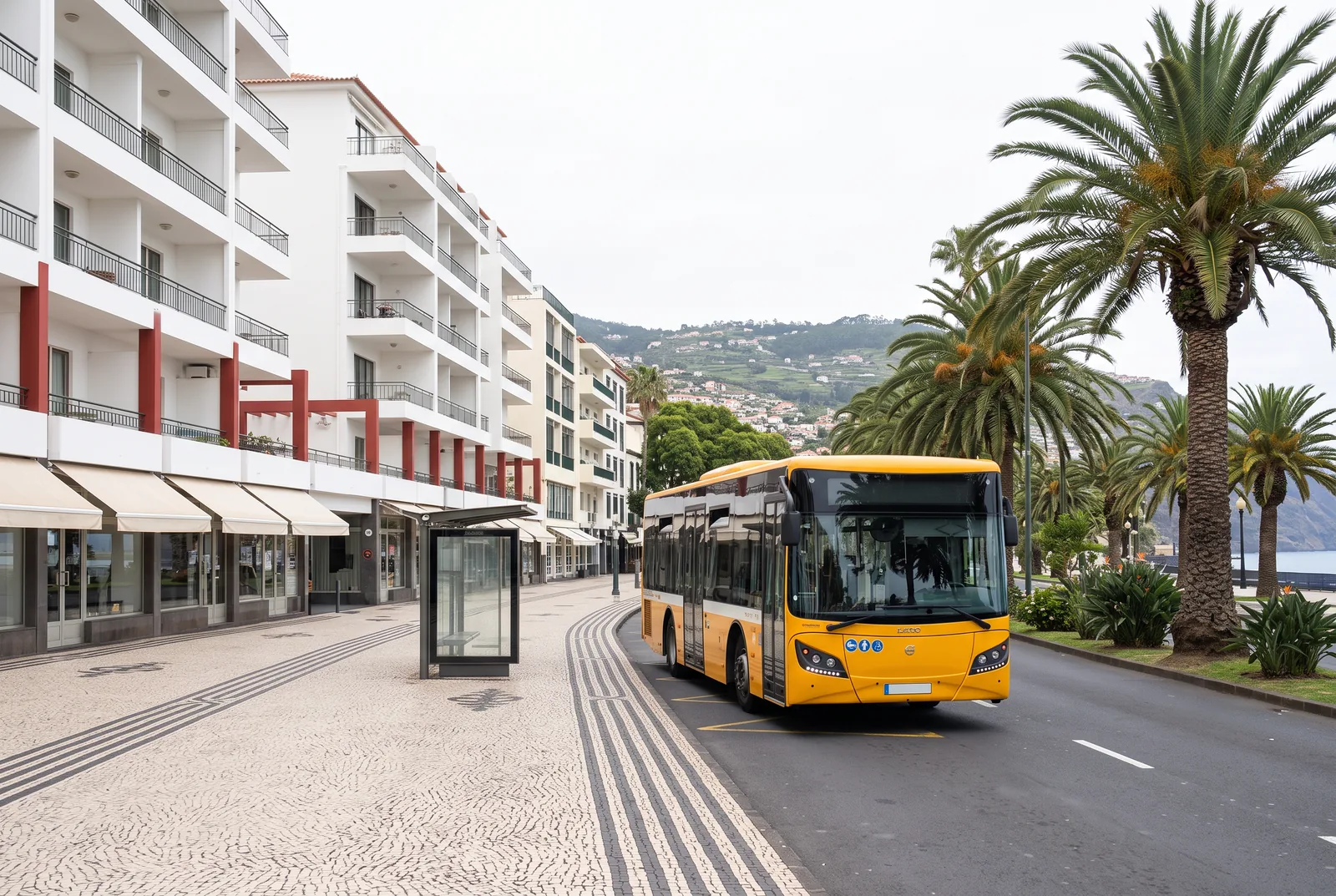
Since 2024 Madeira's buses have run as a single regional network, SIGA, operated by Horários do Funchal (the yellow city buses and the hill lines), CAM in the east and Rodoeste in the west. On 9 March 2026 every line was renumbered with three digits, so a blog post, a bus stop or a map app may still show the old number: the Aerobus is now 500, the Porto Moniz bus via Calheta 380 and 381, Machico 701.
I used the city buses in Funchal in May 2024. Outside Funchal, though, I would not assume that the timetables let you build a day of visits as easily as in a big city.
- Single ticket: €2.05 within one municipality and €2.65 between municipalities, paid in cash on board, as of 2026.
- With a Giro card: €1.45 and €2.00; the card costs €0.50 at operator kiosks and sales points.
- Day tickets: €4.95 municipal or €6.55 intermunicipal for one day.
- Tourist pass: the island-wide Regional Turístico pass includes the Aerobus, from €13.75 for one day to €36 for seven.
- Timetables: one PDF per line on the SIGA site; Google Maps covers Funchal well and the countryside only in part.
The south coast is where buses make sense: Câmara de Lobos, Ribeira Brava and Machico all have regular services, and some Ribeira Brava buses run via Cabo Girão. Porto Moniz has one departure a day via Calheta, at 10:00, returning at 16:00; allow about three hours out and up to 3 hours 40 back on weekdays, less at weekends. And there is a bus to Pico do Arieiro, run by Horários do Funchal from the cable car terminus at 06:00 and 13:30 for €3.00, which reaches the summit at 06:45, before sunrise all year round; with only 31 seats, book by phone a few days ahead.
From the Beachfront penthouse, city lines 001, 002 and 004 run from the Lido along the Estrada Monumental to the centre, and line 001 also runs the other way, west past Praia Formosa.
Taxis, Bolt and day tours
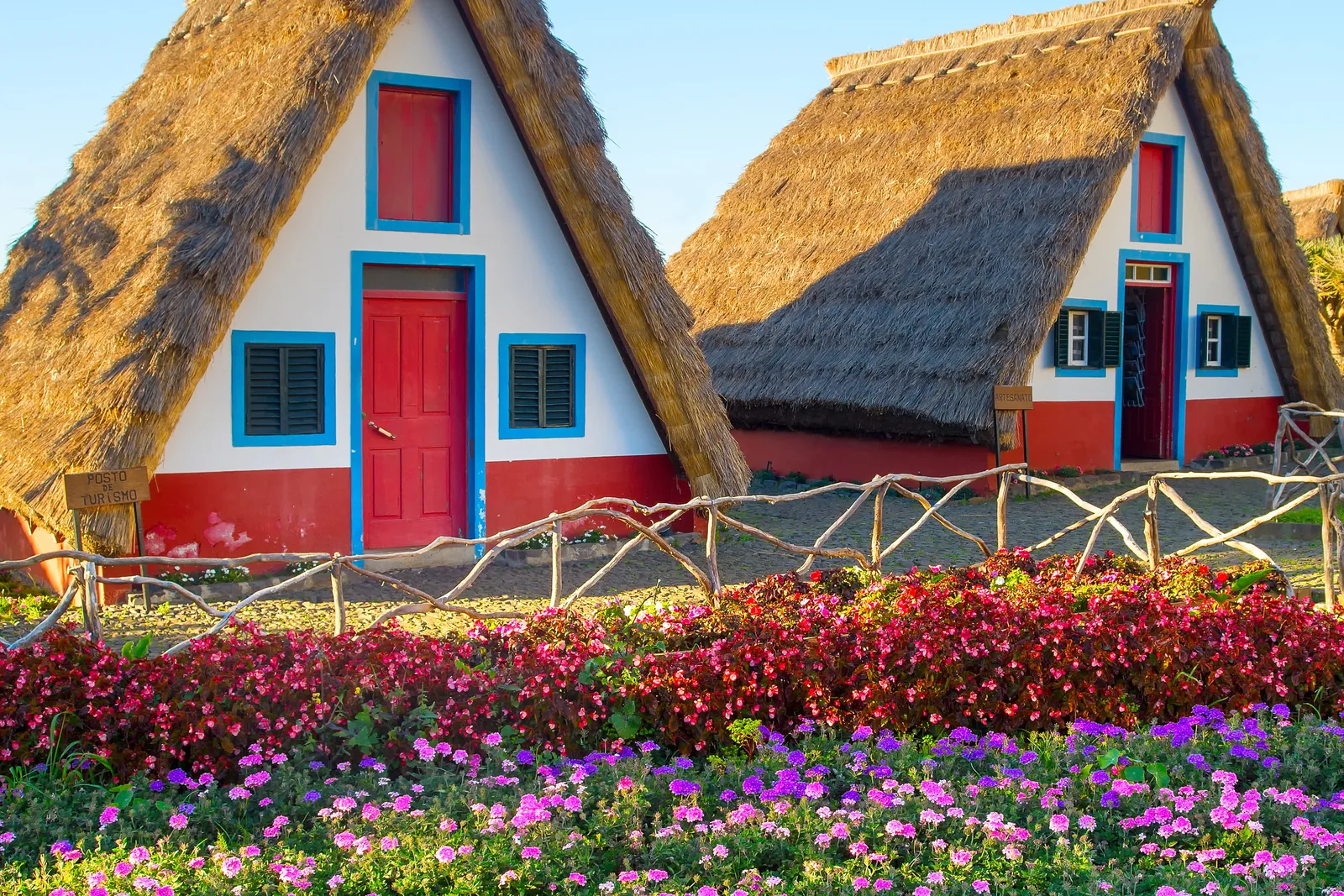
I have taken taxis and ride-hailing cars around Funchal, especially in 2024 and 2025. Taxis use the regulated meter described above; Bolt offers both private cars and metered taxis through the app, with good availability around Funchal, Caniço and Machico and much less at trailheads.
If you do not want to drive at all, there are two ways to see the north and the mountains in a day. A taxi hired for the day, agreed in advance with the driver, gives you a private car and a local driver for a fixed price per vehicle. A shared day tour or 4x4 tour costs from about €40–55 per person for half a day and €70–80 for a full day, as of 2026, and suits couples and solo travellers better than a family of four.
The open-top hop-on hop-off buses in Funchal are a sightseeing product, not public transport: they are not part of SIGA, and the Giro card is not valid on them.
Getting to Porto Santo: ferry or plane
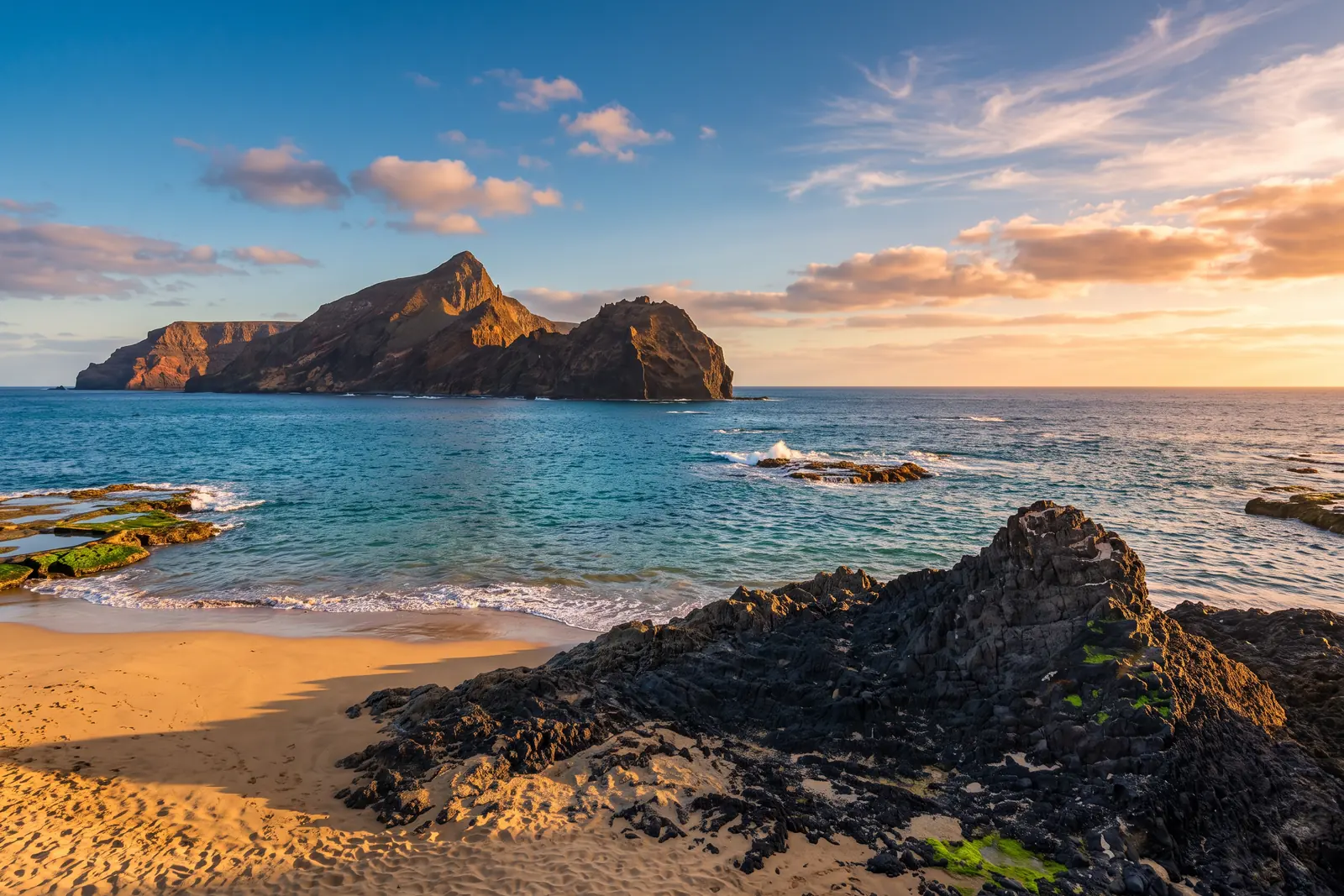
Porto Santo, the small sister island with the long sandy beach, is reached by the Lobo Marinho ferry from Funchal or by a 25-minute Binter flight. I took the ferry in July 2024.
- Ferry: about 2 hours 15 to 2 hours 30 each way in normal conditions (in October 2026 the operator announced 3 hours 15 for technical reasons, so check before booking), with a car deck.
- Fares: about €59 (October to March) to €72 (April to September) return for an adult in tourist class as of 2026, plus a fuel surcharge; taking a car costs far more.
- Not daily: there are days without sailings, and the ship is out of service for several weeks in winter; check the operator's calendar before planning around it.
- Plane: two rotations a day, the quickest option when the sea is rough.
Our guide to Madeira's beaches and Porto Santo covers what to do once you are there.
Getting around Madeira FAQ
Do you need a car in Madeira?
Not necessarily for Funchal: walk, take the city buses, taxis or Bolt. For the levadas, the high viewpoints and the rural north, a car is the most practical option; many visitors hire one only for the days they spend outside the city.
How do you get from Madeira airport to Funchal?
The Aerobus (line 500) costs €6.70 in cash on board or €5.55 with a Giro card and takes about 25 minutes to the centre; a taxi costs about €25–35.
Is it hard to drive in Madeira?
The expressway is easy. The old roads off it are steep, narrow and full of bends, so choose a car with enough power, drive slowly and avoid the shortest-route option on the GPS.
Are there tolls on Madeira?
No. The expressways on the island are toll-free; what you pay for is parking in Funchal and at some summits and trailheads.
Can you pay the bus with a bank card?
Not on board: single tickets bought from the driver are cash only. Load a Giro card at a sales point to pay less, or buy the tourist pass.
Is there Uber in Madeira?
Bolt is the most widely used app, and it also books metered taxis. The tourist board lists Uber as available too, but check it in the app before relying on it.
Where to stay in Madeira with or without a car
If you will not hire a car, stay where the buses and the city meet: our Downtown villa faces the Municipal Gardens in the centre of Funchal, with the theatre, the cathedral and the market on foot. If you will, the Beachfront penthouse in the Lido has a private space in the underground garage, the Aerobus along the Estrada Monumental and a bus stop at the gate. Both are on our Madeira page, and the Superior Rentals homepage has the rest.