Madeira wine: types, how it is made and where to taste it in Funchal
Maria Santos · 21 min read · Updated 17/Nov/2026
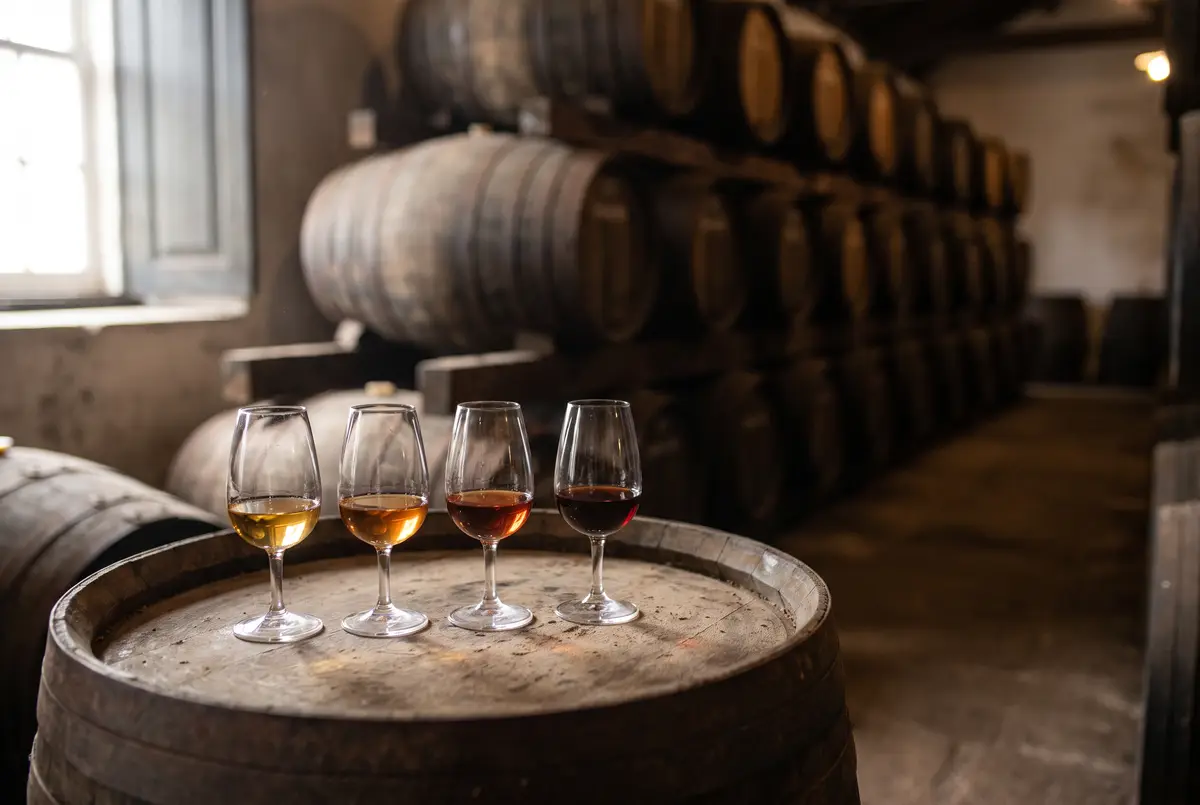
Madeira wine explained: the four classic styles, how the heat and the air make it, how to read a label, and where to taste it in Funchal and Câmara de Lobos, with prices, hours and the 2027 wine festival.
Madeira wine in short
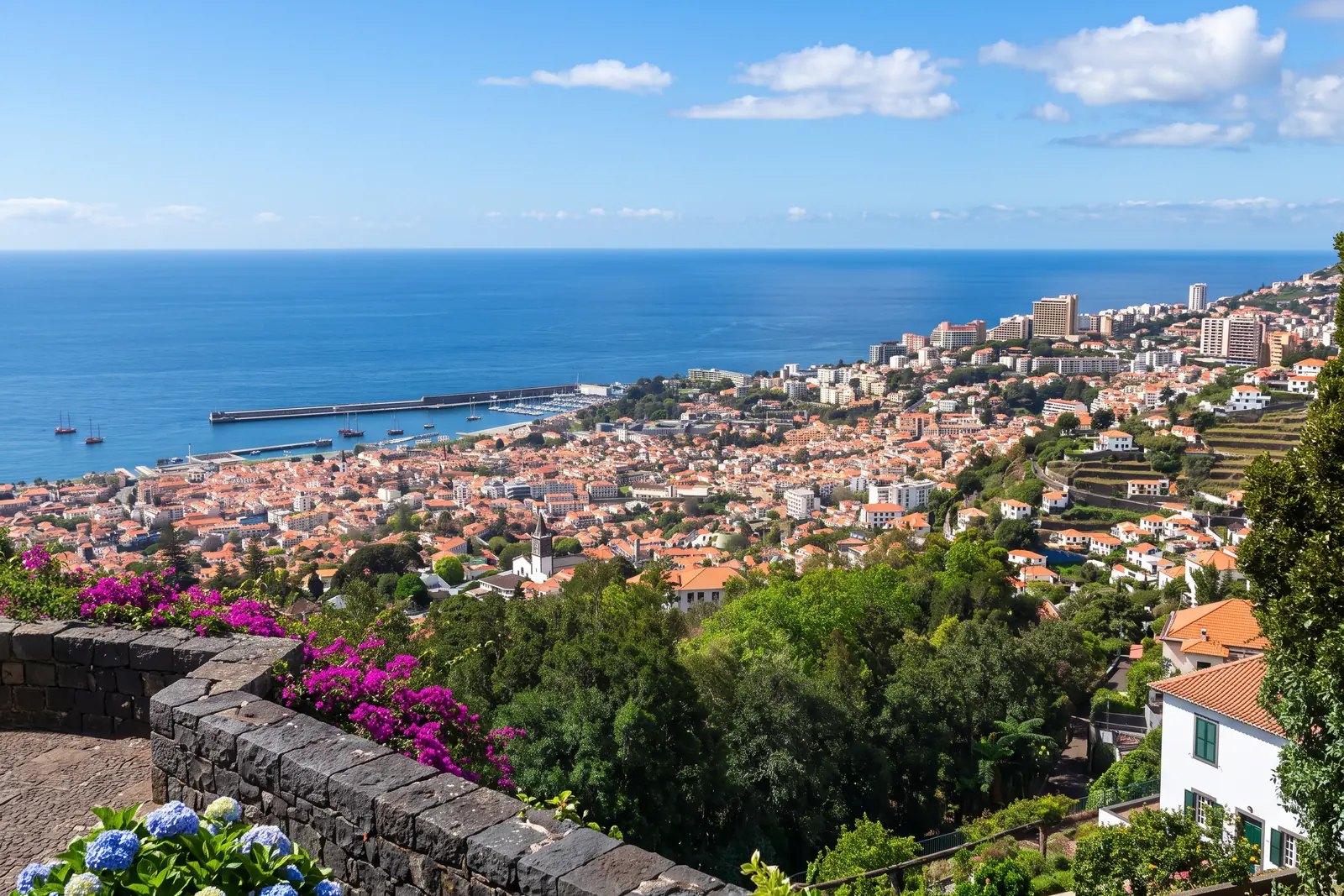
Madeira wine is a fortified wine from one small Atlantic island, and it behaves unlike almost any other wine in the world. It is warmed on purpose, allowed to meet the air while it ages, and kept sharp by an acidity that the volcanic soils give it, which is why a bottle opened at Christmas can still taste whole at Easter. The island sold about 3.06 million litres of it in 2025, according to the regional wine institute, and France alone took almost a third of that. The rest of this guide explains how it is made, how to read a label without a dictionary, and where in Funchal it can be tasted, mostly on foot.
- What it is: a fortified wine of 17% to 22% alcohol, made only in the Madeira region, from dry to sweet.
- The four classic styles: Sercial (dry), Verdelho (medium dry), Boal (medium sweet) and Malvasia, also called Malmsey (sweet).
- Where to taste it: Blandy's Wine Lodge, H.M. Borges and Pereira d'Oliveira in central Funchal, Henriques & Henriques and Barbeito in Câmara de Lobos.
- Tastings: from free at the counter to €59 for a 90 minute group tour with a vintage wine, as of late 2026; private tours cost more.
- Festival: the Madeira Wine Festival runs from 22 August to 12 September 2027.
- Opened bottle: keeps for many months, standing upright and out of the sun.
- Taking it home: buy after security, or collect bottles at the airport, because the 100 ml rule applies to hand luggage.
What is Madeira wine?
Madeira is a vinho licoroso, a wine whose fermentation is stopped by adding grape spirit at 96% alcohol. Stop it early, after about a day, and much of the grape's sugar stays in the glass; let it run for about a week and the wine finishes dry. That single decision is the first thing that separates a Sercial from a Malmsey.
What makes Madeira unlike port or sherry is what happens next. The wine is aged warm, either in heated tanks or in casks stacked under the roofs of the lodges, and it is allowed to oxidise slowly. Most wines are ruined by heat and air. Madeira is built on both, and the result is a wine that has already lived through everything a bottle on a shelf could do to it. Its acidity, the bright, almost citrus edge that runs through even the sweetest Malmsey, keeps it from tasting heavy and keeps it fresh for years.
The story the island tells about its own wine begins at sea. From the fifteenth century, ships bound for India and the Americas called at Funchal for water and supplies and loaded casks of wine as provisions. On one long voyage, the producers say, a cask came back unsold and tasted better than when it left, mellowed by months in the tropical heat of the hold. Wines sent on purpose across the equator and back became known as vinho da roda, the round trip wine. When steamships made the voyages too short and too expensive, the lodges learned to recreate that heat on land.
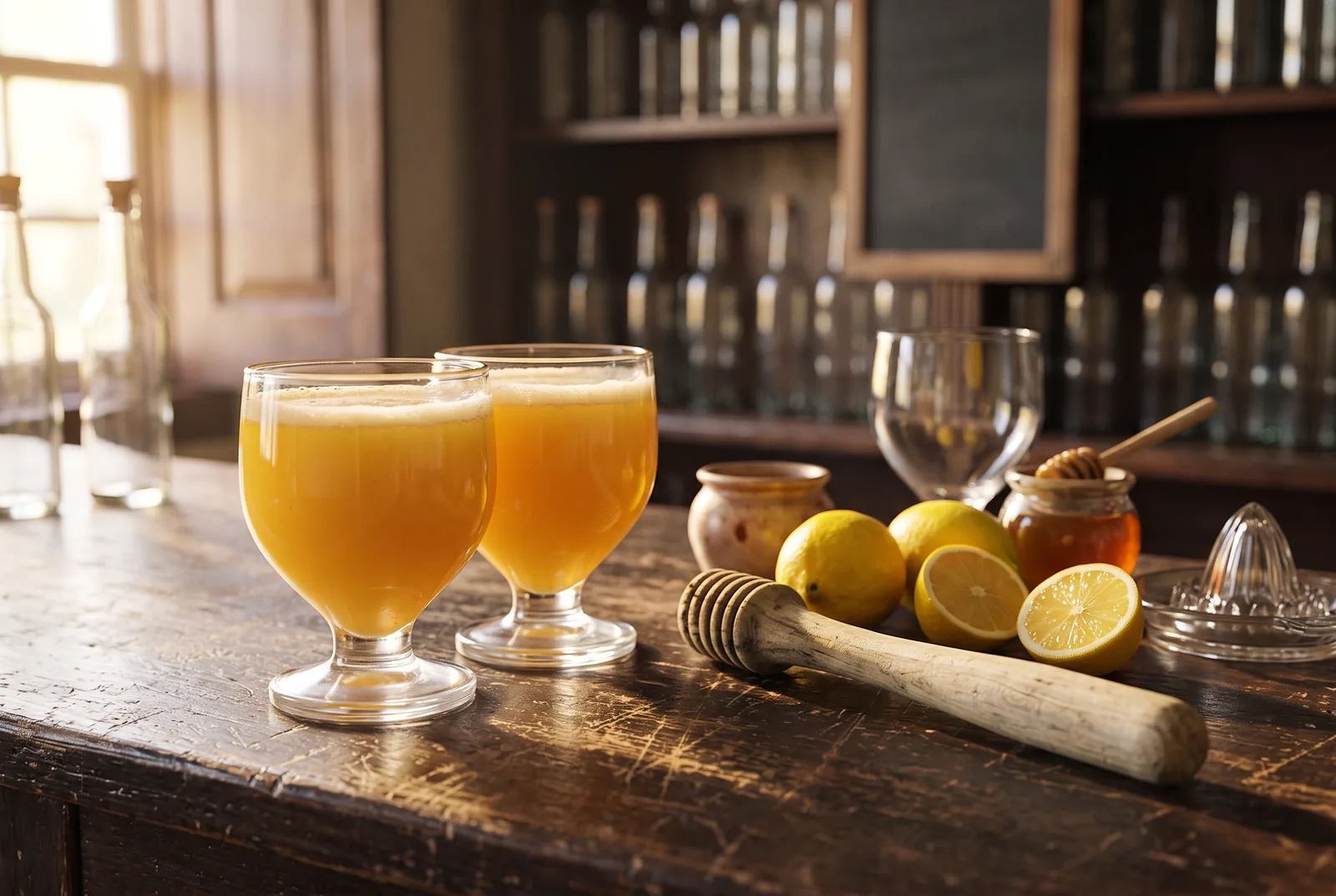
One common confusion is worth clearing at once. Poncha, the drink served in every bar on the island, is made with sugar cane spirit, honey and lemon, and contains no Madeira wine at all. The Funchal food guide covers poncha and where locals drink it; this article stays with the wine.
A short history in dates
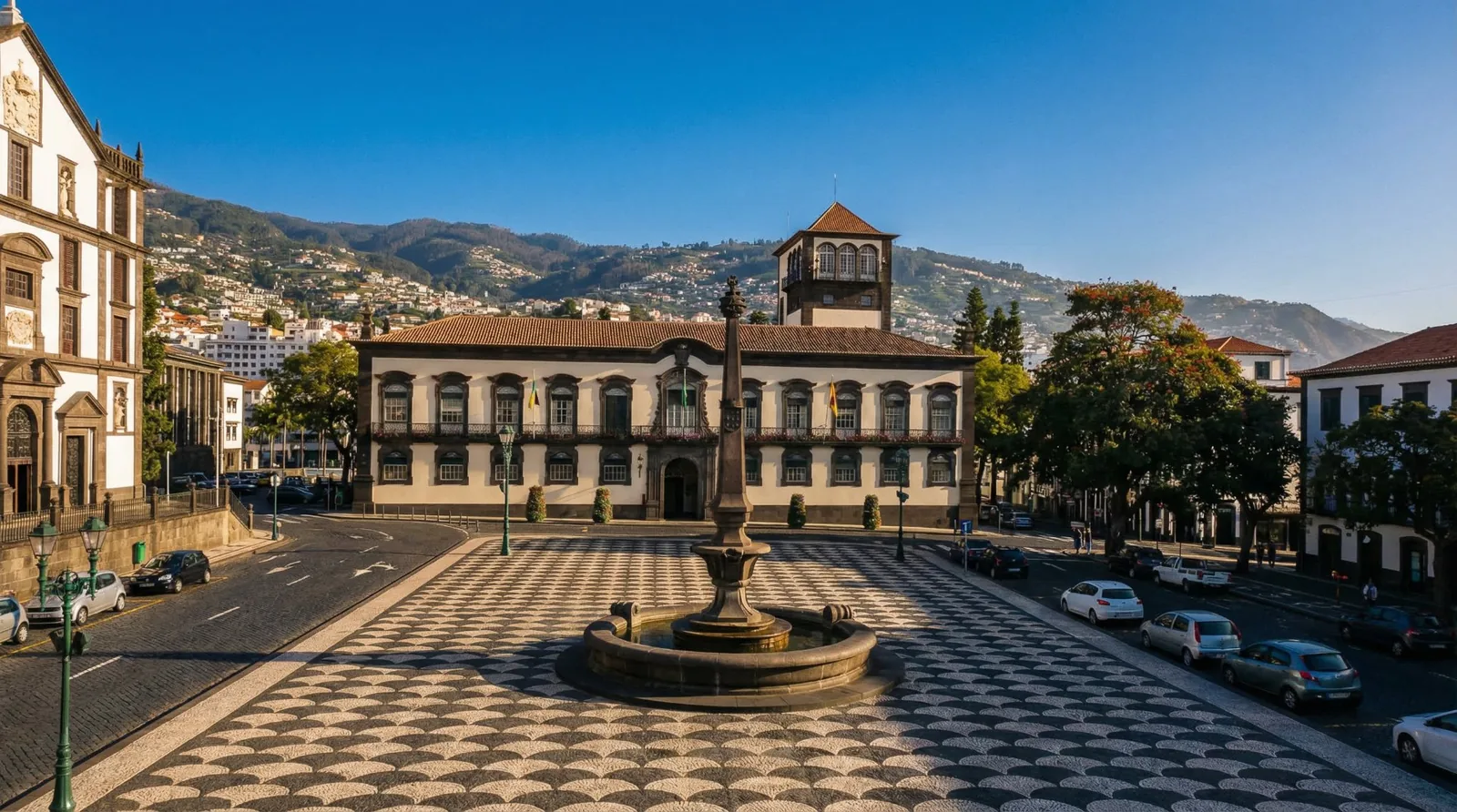
The island's wine is almost as old as its settlement, and its fortunes followed the ships that called at Funchal.
- 1419: Portuguese navigators reach Madeira, and vines are planted among the first crops of the new settlement.
- Mid fifteenth century: Malvasia vines brought from Crete are planted on the orders of Prince Henry the Navigator, and wine is already being exported.
- Late seventeenth century: casks of Madeira travel mainly to New England and the West Indies, and the American colonies become its great market. It is traditionally said that Madeira was raised to toast the Declaration of Independence in 1776.
- 1745: Cossart Gordon is founded, the house that the Madeira Wine Company calls the oldest in the Madeira wine trade.
- 1811: John Blandy settles in Madeira, and the family business that still bears his name begins.
- 1852 and 1872: oidium, a fungal disease, and then phylloxera, the vine louse, devastate the vineyards, and much of the island replants with other crops.
- 1913: several producers join forces in the association that becomes the Madeira Wine Company, which today makes Blandy's, Cossart Gordon and Miles.
- 2011: the Blandy family takes back control of the Madeira Wine Company from its partners, the Symington family of port fame, who stay on as minority shareholders.
How Madeira wine is made: estufagem and canteiro
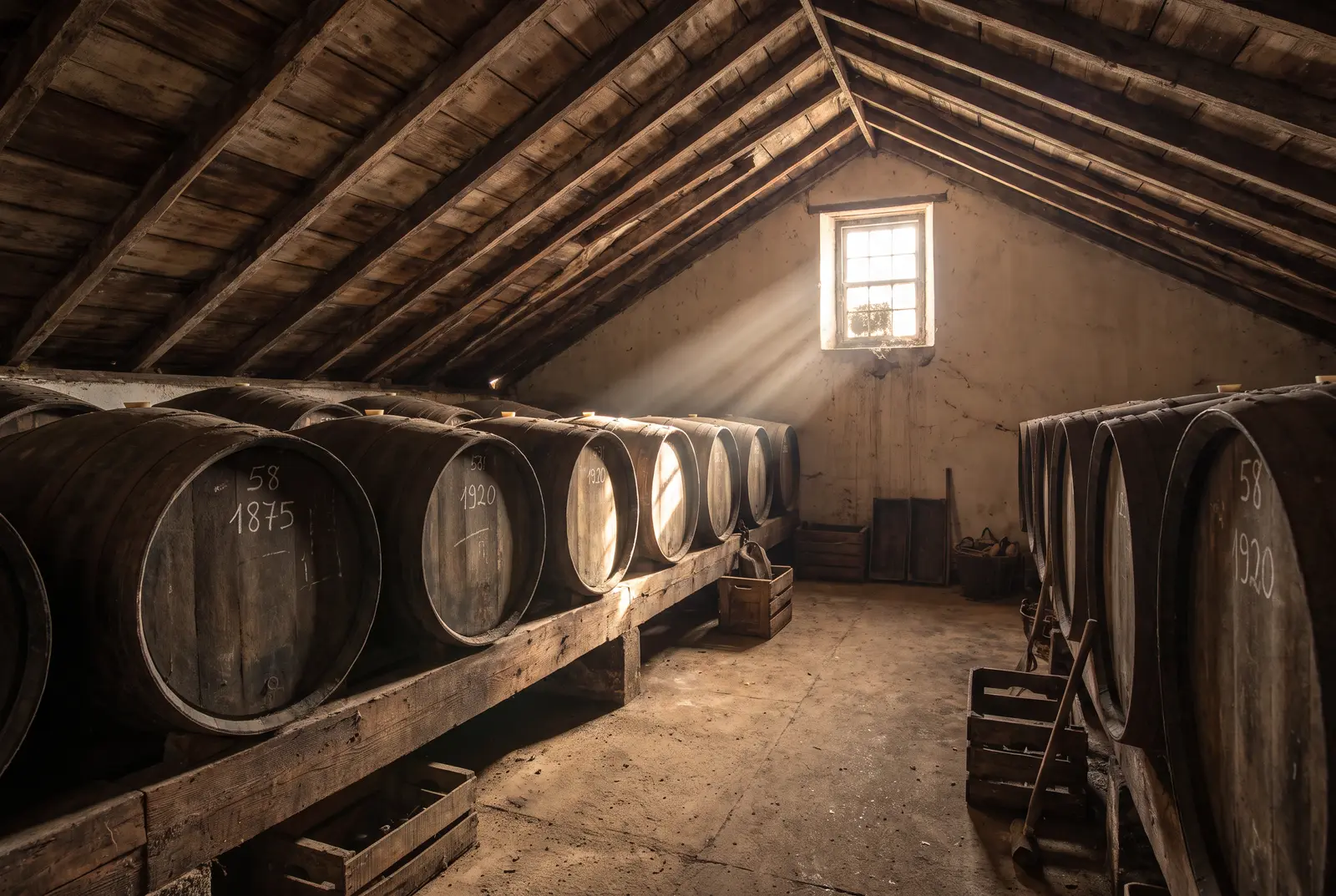
Every bottle of Madeira has been warmed, and the two ways of doing it decide much of what ends up in the glass. Both are regulated by the Instituto do Vinho, do Bordado e do Artesanato da Madeira (IVBAM), the regional institute that certifies the wine.
Estufagem, the heated tank
In estufagem, the wine goes into stainless steel tanks warmed by coils of hot water at 45 to 50 °C, for never less than three months. After the heating it rests for at least 90 days before it is finished, and it may not be bottled or sold before 31 October of the second year after the harvest. This is the method behind most young blends, the three year old wines that fill supermarket shelves, and it gives them their roasted, caramel warmth quickly.
Canteiro, the slow way
In canteiro, the wine ages in wooden casks resting on beams, usually on the top floors of the lodges, where the subtropical summer heats the rooms naturally. The law asks for a minimum of two years in cask, but the wines made this way are almost always kept far longer, often decades. Casks are never filled to the brim, and a little wine evaporates every year, concentrating what remains. The great Madeiras, the old age blends, Colheitas and Frasqueiras, are usually canteiro wines. A lodge visit in Funchal usually walks past these casks.
The grapes and the four classic styles
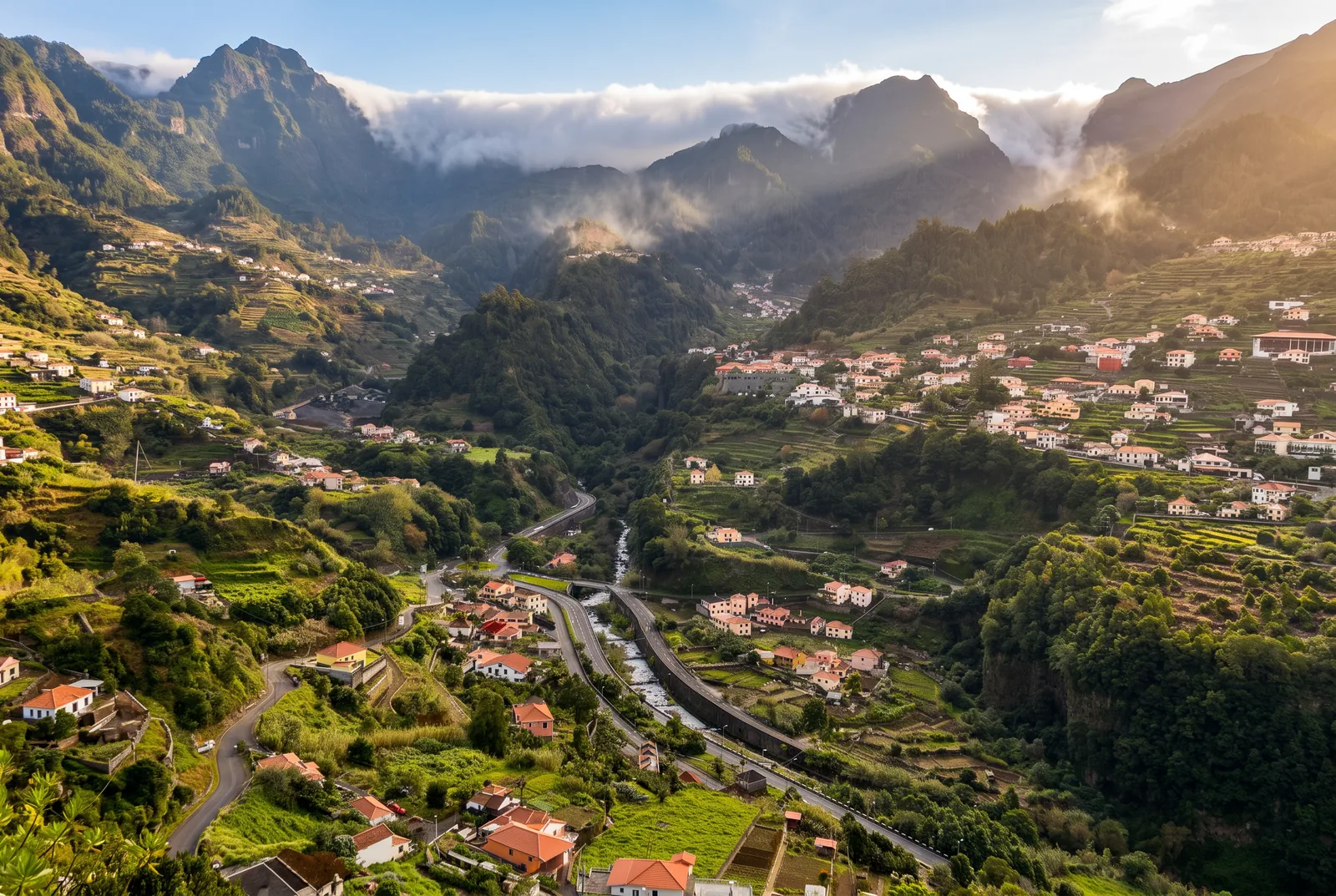
Madeira's traditional names are both grape varieties and promises of sweetness. When a label names one of the four noble white grapes, it also tells the drinker roughly how sweet the wine will be. The vineyards themselves are tiny: about 400 hectares worked by some 1,200 growers, almost entirely by hand, on terraces too steep for machines.
Sercial, the driest
Grown in the coolest, highest vineyards, Sercial gives the driest and most piercing wines, with the highest acidity of the four. The regional institute suggests it as an aperitif, with olives, toasted almonds, smoked fish and shellfish. Served chilled, it is a revelation for anyone who thinks Madeira is always sweet.
Verdelho, medium dry
Verdelho is slightly fuller and softer than Sercial, with a gentle sweetness and a smoky edge. It is the wine to drink with soup, cured ham, mushrooms or pâté, and it is grown on the north coast, around Seixal and São Vicente.
Boal, medium sweet
Boal, written Bual on many English labels, has the richness of dried fruit and toffee but keeps enough acidity to finish clean. It belongs with fruit cakes, cheese and milk chocolate, and it is one of the two natural partners of bolo de mel, the island's dark molasses cake.
Malvasia, or Malmsey, the sweetest
The sweetest of the styles, Malvasia was the first variety planted on the island, according to the regional institute. Its wines are dark and deep, tasting of raisins, coffee and orange peel, and still bright at the end. It is served with desserts, nuts, blue cheese or simply on its own after a meal.
Tinta Negra, and the rarer grapes
The grape behind most bottles, however, is none of the four. Tinta Negra, a red variety introduced in the eighteenth century, accounts for 80% to 85% of all production, and it can be made in any style from dry to sweet. Young blends without a grape on the label are usually Tinta Negra. Two rarer grapes are worth recognising if a list offers them: Terrantez, which the regional institute says makes medium dry and medium sweet wines, and which is prized for its scarcity, and Bastardo, a red that very few producers still bottle.
Reading the label: age, Colheita and Frasqueira
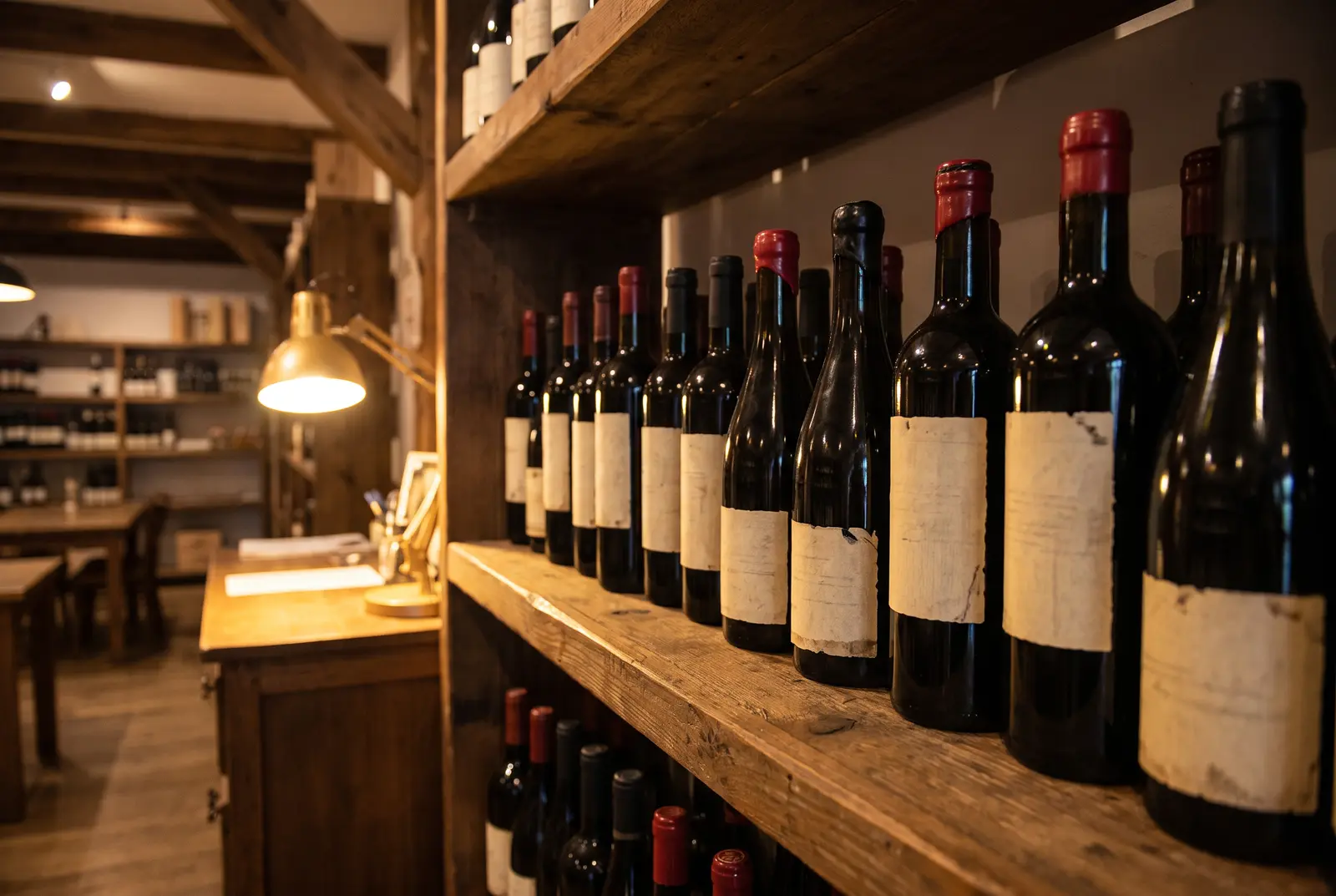
A Madeira label carries three pieces of information that matter: the sweetness, or the grape that implies it, the age, and whether the wine comes from one harvest or several. Once those are clear, the shelf of a lodge shop stops looking like a puzzle.
- Young blends, about 3 years: sold as Finest, Seleccionado or simply by their sweetness, usually Tinta Negra and made by estufagem. Good for cooking and for a first taste.
- 5 years, also called Reserva: the first real step up in depth, and the bottle where a noble grape name starts to appear.
- 10 years, Reserva Especial or Reserva Velha: complex and still affordable; together with the 5 year old, the most sold of the aged categories, according to the regional institute.
- 15 years, Reserva Extra: richer and more concentrated, with the dried fruit and wood of long canteiro ageing.
- 20, 30, 40 and over 50 years: the oldest age categories, increasingly rare and priced accordingly.
- Colheita: a wine from a single harvest, aged at least 5 years, with the vintage and the bottling date on the label.
- Frasqueira: the island's vintage Madeira, from a single harvest and, for at least 85% of the blend, a single grape variety, aged at least 20 years in wooden casks before bottling.
- Rainwater: a light, golden style of up to 5 years, dry or medium dry.
Two details save money and disappointment. The age on a blend is an average, not a minimum for every drop in it. And Madeira stops ageing once it is in the bottle: a ten year old bought today will not improve with more years in the bottle, so there is no point in keeping it in a cellar for a special occasion that may never come.
How to drink Madeira wine
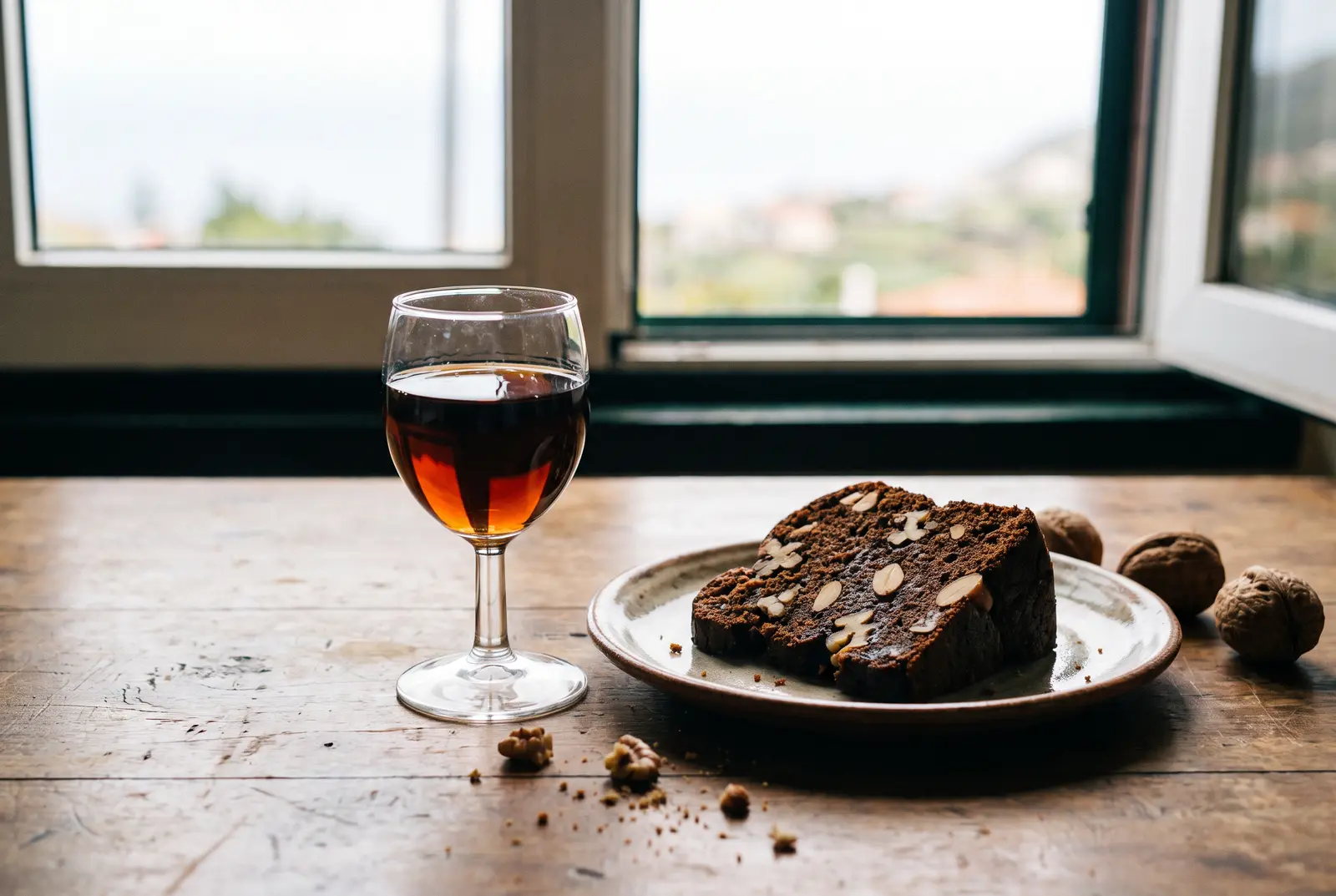
The producers' advice is simple and worth following. Dry and medium dry styles, Sercial and Verdelho, are served chilled at about 12 °C; medium sweet and sweet styles, Boal and Malvasia, slightly cooler than the room, at about 16 °C. A small port or white wine glass is enough. Older bottles benefit from being opened a few hours before they are poured, and wines bottled long ago may need decanting to leave the sediment behind.
On the island, Madeira tends to open and close a meal rather than accompany it. A glass of dry wine comes before dinner, and a sweet one arrives with dessert, coffee or a slice of bolo de mel; the espetada and the grilled fish in between are usually drunk with table wine. In the kitchen, Madeira goes into the classic sauce for beef and mushrooms, and a young three year old blend is the sensible bottle for that.
An opened bottle needs no refrigerator. Blandy's says that once opened, Madeira can last for many months if it is stored correctly: upright, away from sunlight and away from large changes of temperature. That makes it the rare wine that can be bought on holiday and finished slowly, one small glass at a time.
Where to taste Madeira wine in Funchal
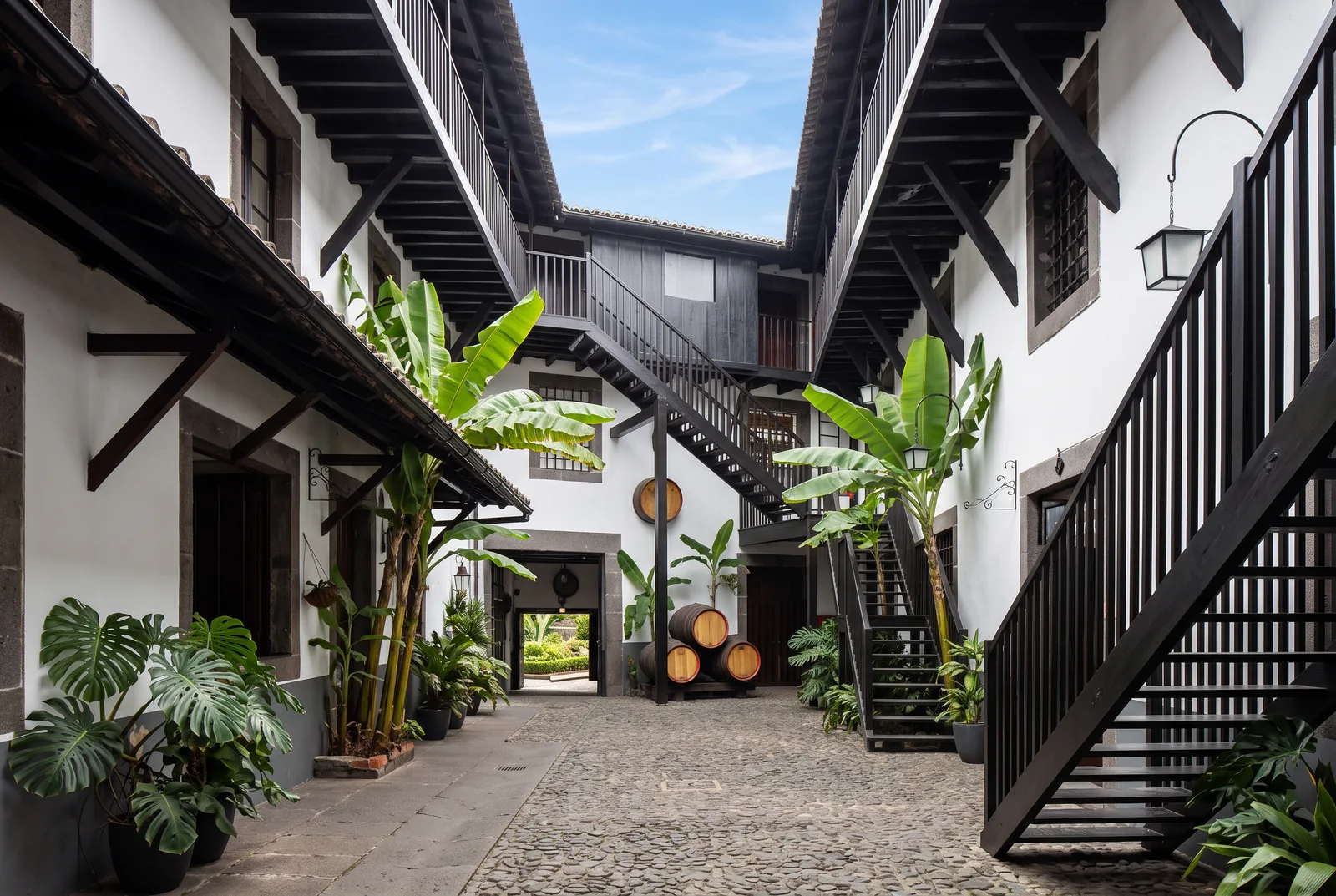
Three producers receive visitors in central Funchal, within ten minutes' walk of one another, and two more are in Câmara de Lobos, the fishing town a short drive west. They differ less in the quality of the wine than in the format: a guided tour with a fixed tasting, a counter where a glass is poured on the spot, or a free taste of the young range. Prices and hours below were checked on the producers' own pages in November 2026.
1. Blandy's Wine Lodge
The most complete visit on the island takes place in Blandy's lodge on Avenida Arriaga, a group of 17th and 18th century buildings that holds the oldest Madeira wine cellars and has been the heart of the family's wine business for seven generations. The tours pass the cooperage, the warm canteiro rooms where the wines age and the satinwood vats, and they end at a tasting; the Premium Tour adds the Blandy family museum. The longest tour opens all the rooms of the building and adds a Frasqueira to the tasting. It is about three minutes on foot from our Downtown villa, which makes it the easiest first stop for anyone staying there.
- Where: Avenida Arriaga 28, Funchal centre.
- Hours: every day, Monday to Friday 10:00 to 18:30, Saturday 10:00 to 18:00, Sunday 10:00 to 13:00 and 14:00 to 18:00.
- Tours: Lodge Tour, 30 minutes with 2 wines, €17; Premium Tour, 45 minutes with 3 wines, €23; Vintage Premium Tour, 90 minutes with 5 wines including a Frasqueira, €59; private tour €150 per person.
- Children: free under 6, €8.40 from 6 to 17.
- Book: online, with free cancellation up to 24 hours ahead; Premium Tours run daily in English and Portuguese, in German on weekdays and Saturday mornings, and in French and Spanish on weekdays only.
- Good to know: the Vintage Premium Tour runs only on weekday afternoons, and the shop, A Loja do Vinho, keeps the same hours as the lodge.
2. H.M. Borges
A family house founded in the nineteenth century and still run by the same family, H.M. Borges keeps a tasting room in its lodge on Rua 31 de Janeiro, a few streets from the cathedral. It is the best choice for a weekday morning, because the room serves wines without a booking, from young blends up to Frasqueiras, while the guided tours run only in the afternoon.
- Where: Rua 31 de Janeiro 83, Funchal centre.
- Tasting room: working days, 09:00 to 12:30 and 14:00 to 17:30, no booking needed.
- Tours: Silver €15 with 2 wines, Gold €20 with 3 wines, Diamond €40 with 6 wines from a five year old to a Frasqueira, private tour with local food €60 per person.
- Book: on the producer's site; closed at weekends.
3. Pereira d'Oliveira
Behind a modest door on Rua dos Ferreiros, Pereira d'Oliveira pours from a remarkable stock of old wines, some of them bottled from casks that are many decades old. The visit is informal: a taste of a few wines at the counter, with no tour and no sales pitch, and bottles of old vintages for sale. The house has no working website, so hours are best checked locally; it is reported closed on Sundays and Saturday afternoons, and groups should email ahead.
- Where: Rua dos Ferreiros 107, Funchal centre, about eight minutes' walk from Blandy's.
- Format: walk-in tasting at the counter, without a guided tour.
- Go for: old Colheitas and Frasqueiras, by the glass or by the bottle.
4. Henriques & Henriques
Founded in 1850, Henriques & Henriques receives visitors at its lodge in Câmara de Lobos, where the visit includes the ageing area and a free tasting of the three year old range. Older wines are on sale in the shop, where the whole bottled range is displayed. Groups of fewer than six simply turn up during opening hours.
- Where: Avenida da Autonomia 10, Câmara de Lobos, about 12 to 15 minutes by car from central Funchal.
- Hours: Monday to Friday, 09:00 to 13:00 and 14:30 to 17:30; closed at weekends and on public holidays.
- Cost: free for the three year old range.
- Book: only for groups of six or more, on the producer's site.
5. Barbeito
Barbeito is known for precise, high acidity wines and for bottling small, single cask lots. Its winery sits in the Câmara de Lobos business park on Estrada da Ribeira Garcia rather than in a historic lodge, and every visit has to be booked in advance, which keeps the groups small and the conversation detailed.
- Where: Ribeira Garcia business park, Câmara de Lobos; a taxi is simpler than the bus.
- Tours: Gold, about an hour with 4 wines, €18 at 15:00; Platinum, about an hour and a half with 7 wines up to a Frasqueira or a 30 year old, €33 at 11:30, Monday to Friday, as of 2026.
- Book: required, by phone or email, through the producer's site.
A Madeira wine tasting walk through central Funchal
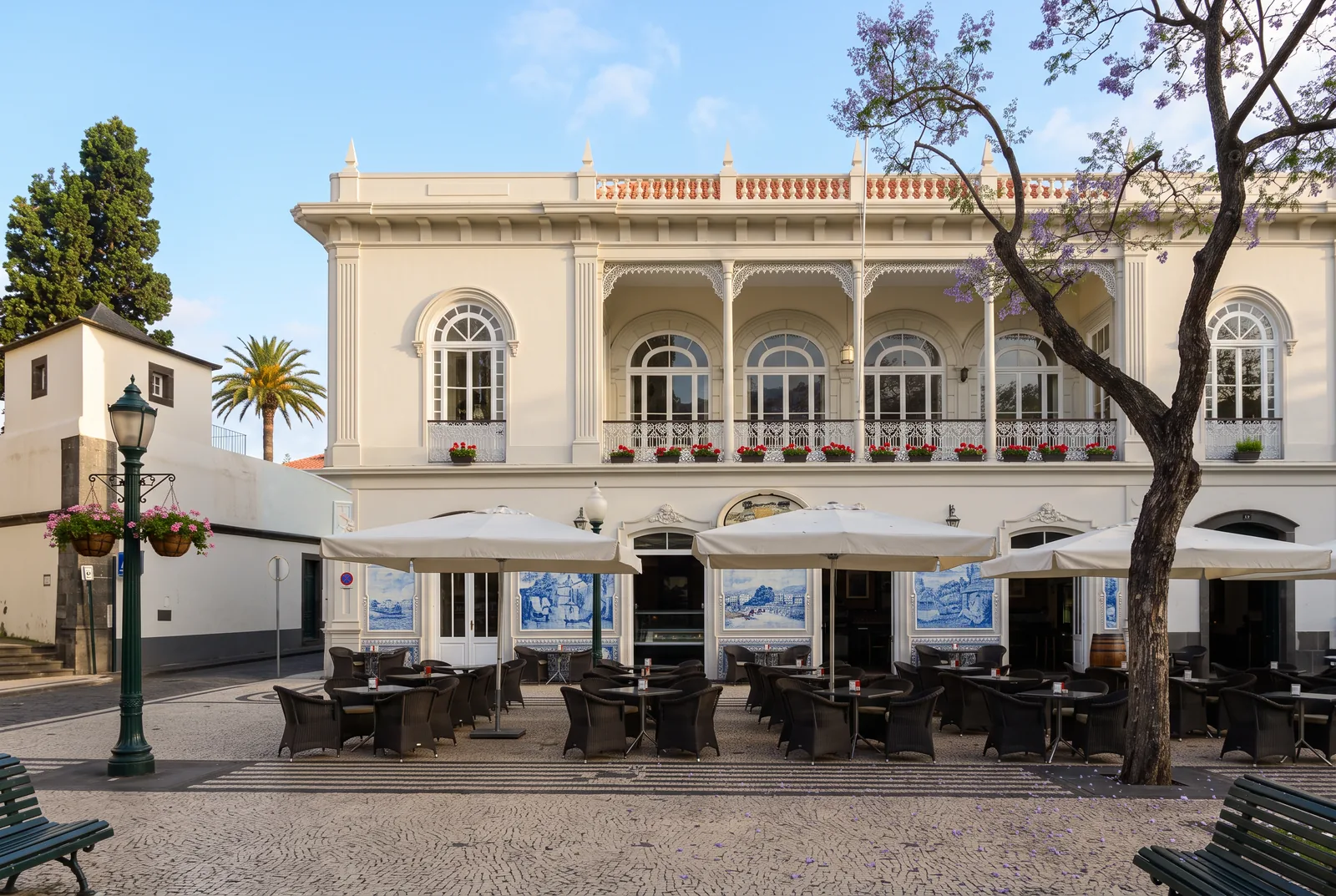
The three central producers fit into one weekday without a car, and in an order that suits their hours. Start at H.M. Borges in the morning, when its tasting room is open and quiet, and try a dry Sercial or Verdelho to set the scale. Walk on to Rua dos Ferreiros for a taste of something older at Pereira d'Oliveira, then stop for lunch in the centre. The afternoon belongs to Blandy's: a Premium Tour is enough for most visitors, and the Vintage Premium Tour at 16:30 on weekdays is the one to book for anyone who wants to taste a Frasqueira properly.
The whole circuit covers little more than a kilometre on foot. A tasting glass is small, but three visits add up, and water and food between the stops make the afternoon far more pleasant. Guests at the Downtown villa can walk the entire route from the door; from the Beachfront penthouse in the Lido, the centre is about 20 minutes away by the bus that stops at the building's gate. The guide to getting around Madeira covers tickets and fares.
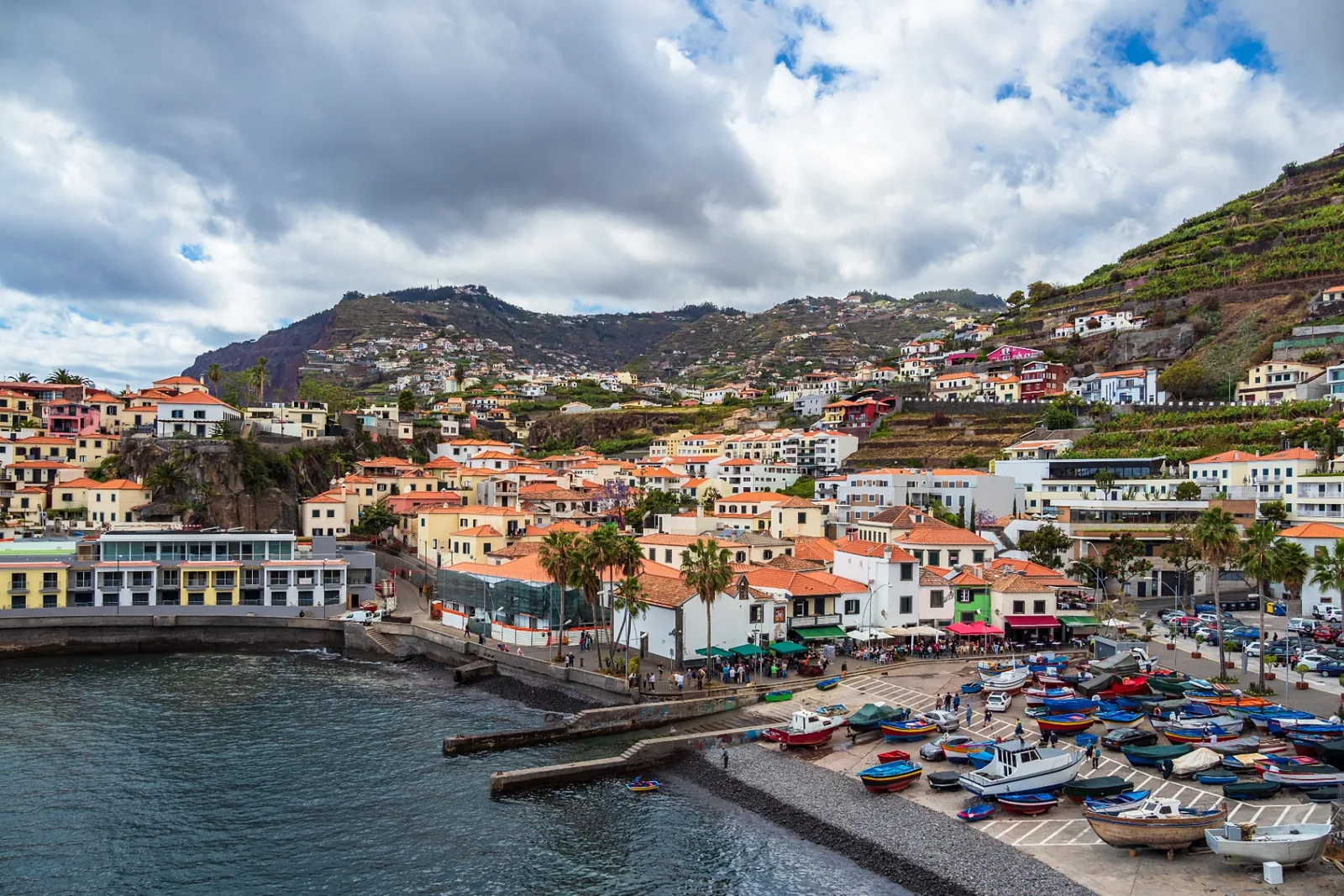
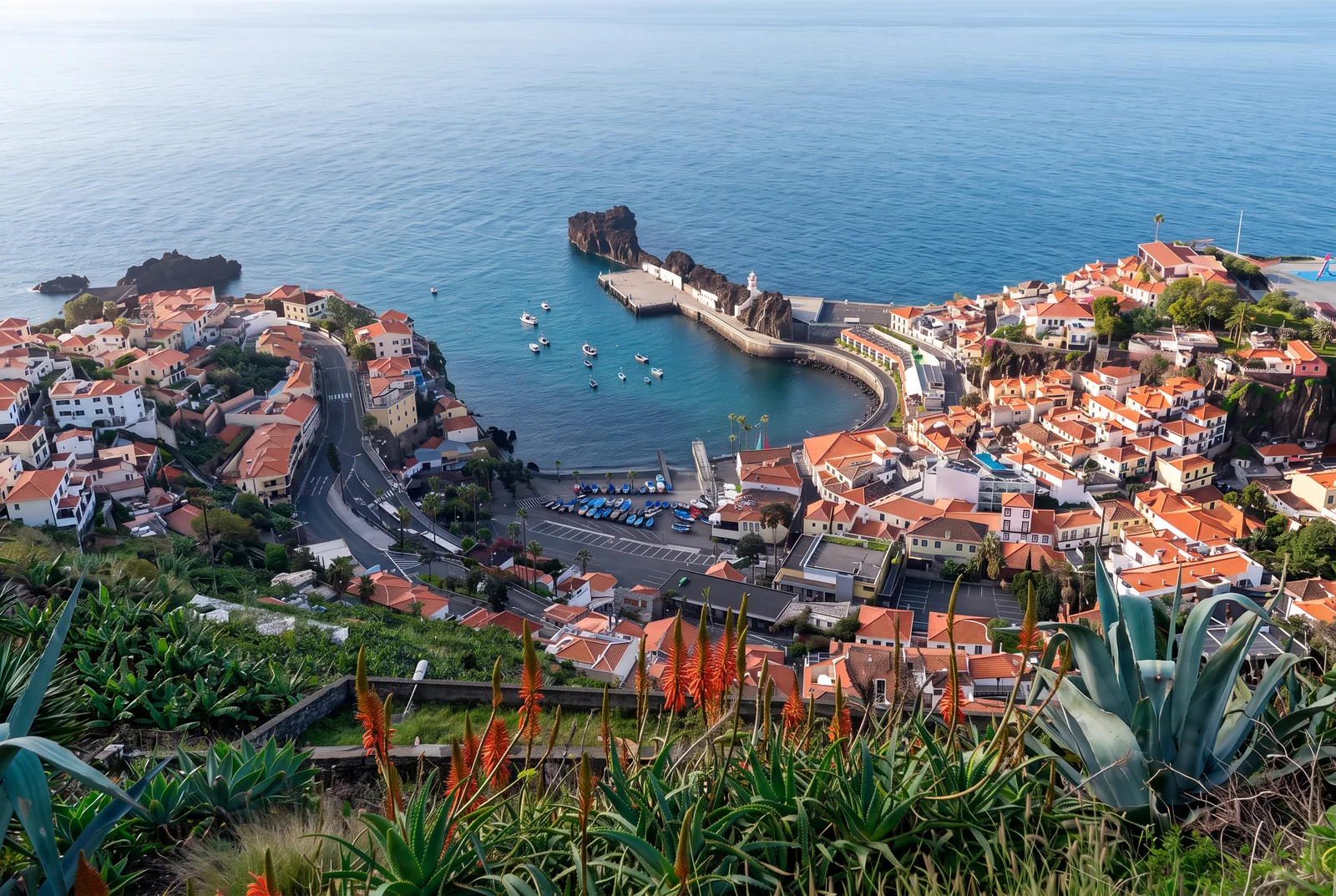
A day in Câmara de Lobos works differently, because both houses there close at weekends and Barbeito needs a booking. A visit to Henriques & Henriques combines naturally with a lunch by the harbour. Câmara de Lobos is about a ten minute drive from the Beachfront penthouse, and the regional buses that replaced the old line 7 after the network was renumbered in March 2026 run there from Funchal throughout the day.
Seeing the vineyards
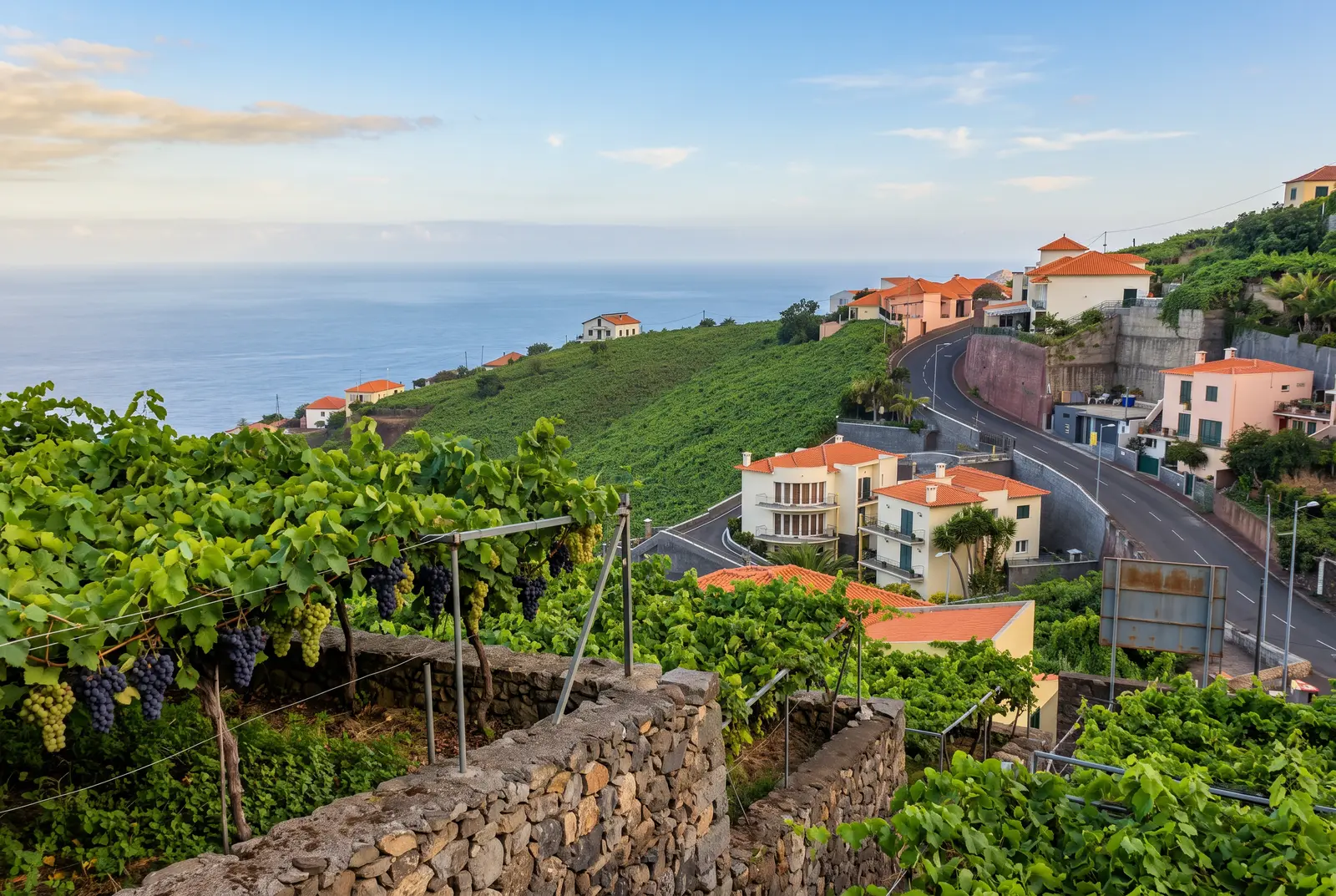
Madeira's vines grow in patches rather than in estates, wedged between banana plantations, houses and vegetable plots on terraces cut into the slopes. The municipality of Câmara de Lobos has the largest vineyard area on the island, from the coast up to Jardim da Serra, and the drive up through Estreito de Câmara de Lobos passes vines trained on pergolas, the latada, one of the island's traditional ways of training vines. At Fajã dos Padres, a strip of land at the foot of a cliff west of Câmara de Lobos, Malvasia vines grow almost at sea level.
On the north coast, the vines climb steep terraces above the sea at Seixal, where the Véu da Noiva viewpoint looks over them, and around São Vicente, where Verdelho and Tinta Negra are grown. Quinta do Barbusano, in the São Vicente valley, opens its vineyard to visitors from Tuesday to Sunday, with tastings of its table wines rather than fortified Madeira, and treading of the grapes in the harvest season. The harvest itself runs from mid August, in the low vineyards of the south, into early October, when the last Sercial is picked at altitude.
The island's table wines are a small but real category: the DOP Madeirense and the regional Terras Madeirenses labels, which include white, red, rosé and sparkling wines. They are worth ordering in restaurants, but they take less than a tenth of the harvest; almost nine tenths of the grapes picked in 2025 went to fortified Madeira.
The Madeira Wine Festival
The Madeira Wine Festival, the Festa do Vinho, follows the harvest at the end of summer, and the 2027 edition is announced for 22 August to 12 September. It happens in two places at once: in the streets of Funchal, and in the vineyards and lodges of the countryside.
In Funchal, the centre of the festival in 2026 was the Madeira Wine Lounge on Praça do Povo, by the marina, where eleven Madeira wine producers poured fortified and table wines alongside regional food, live music and masterclasses. Sunset concerts in vineyards, and harvest activities with grape treading at Blandy's, filled the first half of September.
The day most people remember takes place in Estreito de Câmara de Lobos, every year in the first half of September; in 2026 it was Saturday 12 September, from 10:00 to 14:00. The morning begins with the grape picking on a local farm, continues with a parade of folk and ethnographic groups through the village, and ends with the treading of the grapes in a traditional wooden press, which anyone may join. Expect crowds and slow traffic, and go early or by taxi rather than counting on parking.
The festival is a good reason to plan a late summer trip, and the guide to the best time to visit Madeira sets out what the weather does in each month.
Buying Madeira wine and taking it home
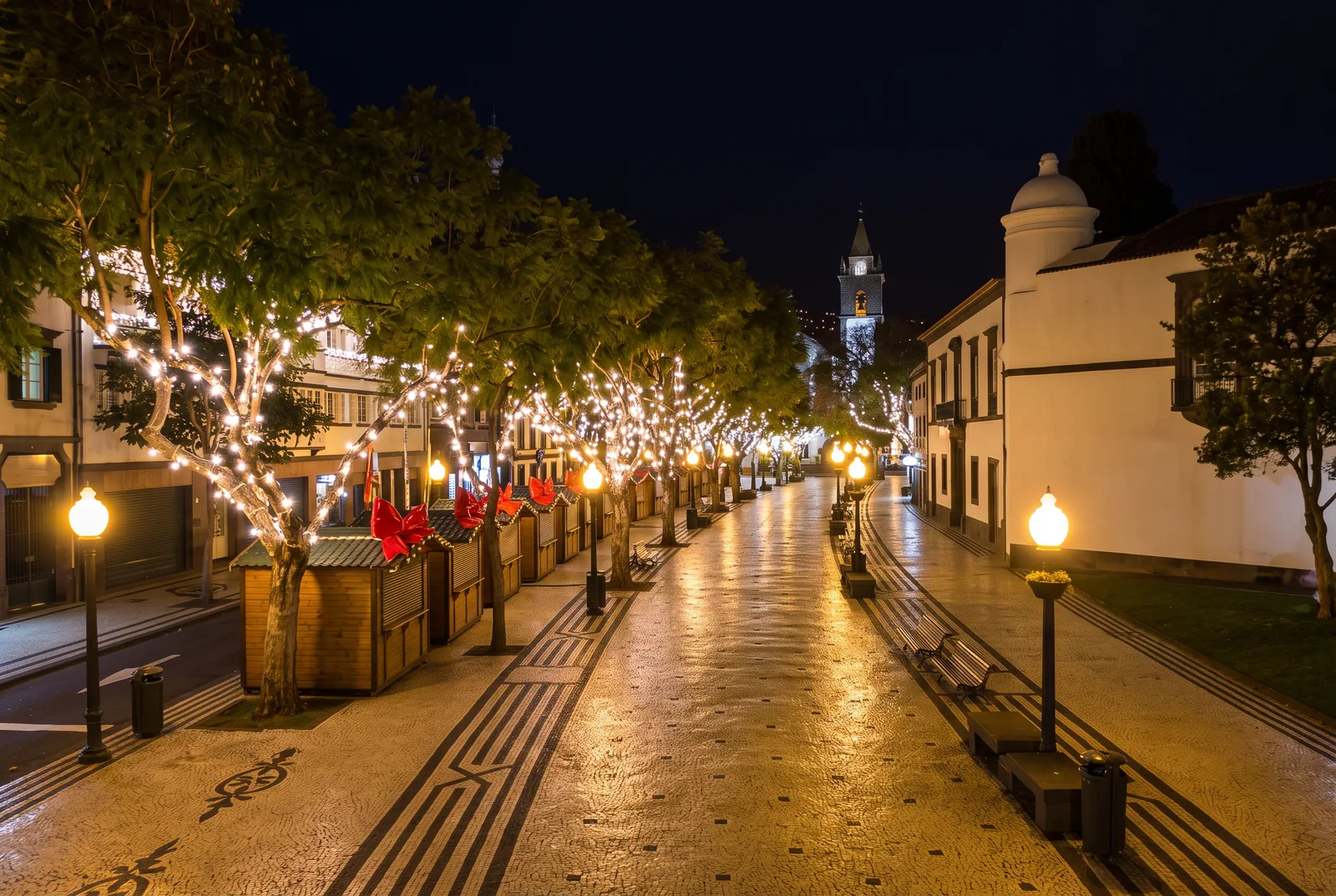
The lodge shops are the natural place to buy, because they stock the full range of each producer, including older wines that never reach export markets. As a rough guide to choosing, a three year old blend is a kitchen bottle, a five or ten year old with a noble grape name is the best value for drinking, and a Colheita or Frasqueira, with its harvest year on the label, is the bottle to give someone.
Getting it home needs a little planning, because the bottles are heavy and the liquid rule still applies at airport security.
- Hand luggage: liquids over 100 ml cannot pass security, so a bottle bought in town goes in the hold, well wrapped, or is bought after security at the airport.
- Collection at the airport: Blandy's Wine Lodge lets visitors buy in Funchal and collect the bottles at the Portfolio shop at Madeira Airport, after the main duty free, to carry on board.
- Travelling to another EU country: duty is already paid, and the EU's indicative guide level for fortified wine is 20 litres per person for personal use.
- Travelling to Great Britain: fortified wine falls under the 9 litre allowance for alcoholic drinks up to 22%, not the 18 litre wine allowance, according to gov.uk; 9 litres is twelve standard 75 cl bottles.
The guarantee seal of the regional institute on the bottle confirms that it is certified Madeira.
Frequently asked questions about Madeira wine
What does Madeira wine taste like?
It depends on the style. Dry Sercial is sharp and nutty, with a citrus edge; sweet Malmsey tastes of raisins, coffee and orange peel. All of them share a bright acidity and a hint of caramel and wood from the warm ageing, which keeps even the sweet ones from feeling heavy.
How is Madeira different from port?
Both are Portuguese fortified wines, but port comes from the Douro valley and is not heated as it ages, while Madeira is deliberately warmed and allowed to oxidise. Madeira also has a marked acidity, which the regional rules link to the island's volcanic soils, and a long life once the bottle is open.
How long does an opened bottle of Madeira last?
Many months, according to the producers, if it is kept upright, out of the sun and away from big changes of temperature. It does not need to go in the fridge, although dry styles taste best served chilled.
Where is the best Madeira wine tasting in Funchal?
For a full visit with the cellars, Blandy's Wine Lodge on Avenida Arriaga. For a tasting without booking on a weekday morning, the H.M. Borges tasting room. For old wines poured without ceremony, Pereira d'Oliveira. All three are within ten minutes' walk of one another.
When is the Madeira Wine Festival in 2027?
From 22 August to 12 September 2027, according to the regional tourism board, with events in central Funchal and the harvest day in Estreito de Câmara de Lobos in the first half of September.
Where to stay for a Madeira wine trip
For a trip built around the lodges, our Downtown villa, facing the Municipal Gardens, is about three minutes on foot from Blandy's and within walking distance of the other two central producers. The Beachfront penthouse in the Lido suits those who want the sea pools by day and a short drive to Câmara de Lobos, about ten minutes away. The where to stay in Madeira guide compares the areas, and all our homes in Madeira can be booked directly with us, which you can also start from the home page.