Lisbon in 3 days: a day-by-day itinerary, with 2 and 4 day versions
Ana Freitas · 19 min read · Updated 12/Oct/2026
Three days in Lisbon, one job per day: the centre and Alfama, Belém and the river, then the neighbourhoods at walking pace, planned around what closes on Mondays, with the 2 and 4 day versions.
How many days in Lisbon? Three is enough for a first look
Three days is the length most people give Lisbon, and it works, as long as you accept what it is: a first look at a city that hides its best streets behind the obvious ones. In three days you can walk the old centre, spend a morning in Belém and give yourself one slower day for the neighbourhoods where people actually live. What you cannot do is add Sintra on top without losing one of those days.
Guests often ask me how many days they need, and my honest answer is that four is a very good minimum for a first visit. Three is the version where every day has a job. This itinerary is built that way: one day for the centre and Alfama, one for Belém and the river, one for Príncipe Real, Estrela, Bairro Alto and Cais do Sodré, with the evening of each day planned as carefully as the morning.
- Day 1: Baixa, Chiado and Alfama, from Praça do Comércio up past the Sé to the miradouros at the end of the afternoon.
- Day 2: Belém in the morning (Jerónimos, the tower, Pastéis de Belém, the Padrão) and the riverfront in the afternoon.
- Day 3: Príncipe Real, Estrela and Bairro Alto at walking pace, down to Cais do Sodré for the evening.
- The day I would never cut: day 1. Baixa and Alfama explain Lisbon to a first-time visitor better than anything else.
- Book ahead: timed slots for the Torre de Belém and the Jerónimos cloister, and a fado dinner if you want one on a Friday or Saturday.
- Never on a Monday: the Belém day. The tower, the monastery and the Panteão Nacional all close on Mondays.
If you are trying to decide between this and a longer list of sights, our guide to things to do in Lisbon covers twenty places one by one. This article is the other half of the job: the order, the timing and what to drop when the clock runs out.
Plan the days around what closes
The single most useful thing you can do before you land is look at which weekday each of your three days falls on. Lisbon's big monuments do not all close on the same day, and the classic mistake is to arrive on a Sunday, push Belém to Monday and find the monastery gates shut.
- Monday: the Torre de Belém, the Mosteiro dos Jerónimos (church included) and the Panteão Nacional are closed. The castle, the Sé, the Carmo, the Padrão, the MAAT, the Gulbenkian and the Oceanário are open.
- Tuesday: the MAAT and the Gulbenkian are closed. The Feira da Ladra flea market runs.
- Saturday: the Feira da Ladra runs, and the Gulbenkian stays open until 21:00.
- Sunday: the Sé and the Convento do Carmo are closed to visitors, and the Jerónimos church only opens at 14:00.
- Closed for works, no date: the Museu Nacional do Azulejo and the Santa Justa lift, as of October 2026.
- Holidays: 1 January, 1 May and 25 December close almost everything. The castle also closes on 24 and 31 December.
In practice that gives three simple rules. Belém goes on any day from Tuesday to Sunday. Day 1 is best on a weekday or a Saturday, so the Sé is open. And if one of your days is a Tuesday or a Saturday, put day 1 on it and start at the Feira da Ladra, the flea market that spreads across Campo de Santa Clara around the Panteão, a short walk from the castle.
The light matters too. Sunset in Lisbon falls just before 19:00 in mid-October, around 17:15 in mid-December and just after 21:00 in June, and the clocks go back on the last Sunday of October. The miradouros are free and never close, so the end of day 1 adapts to the season. The castle does not: from November to February it closes at 18:00.
The 3 day Lisbon itinerary, day by day
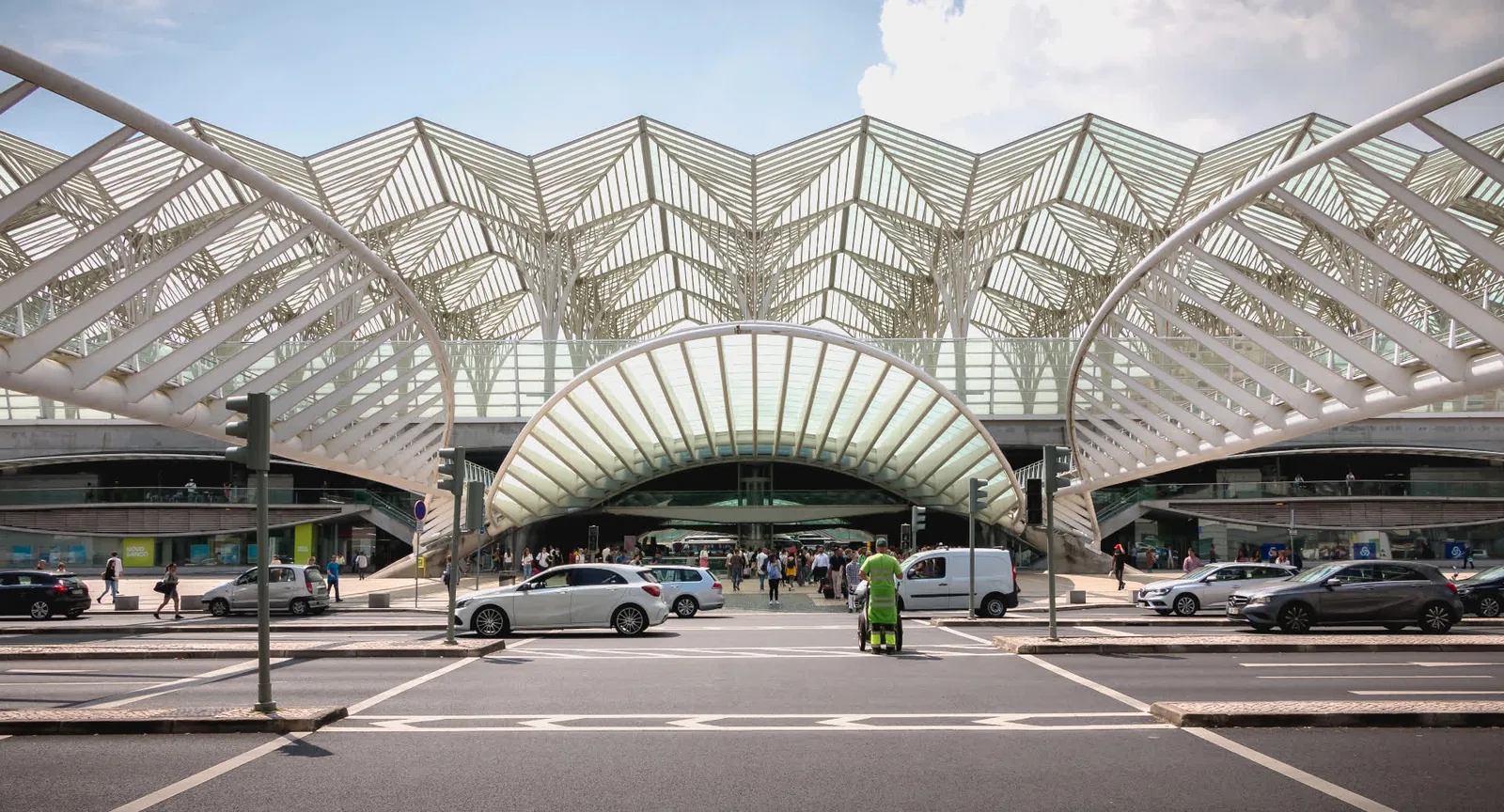
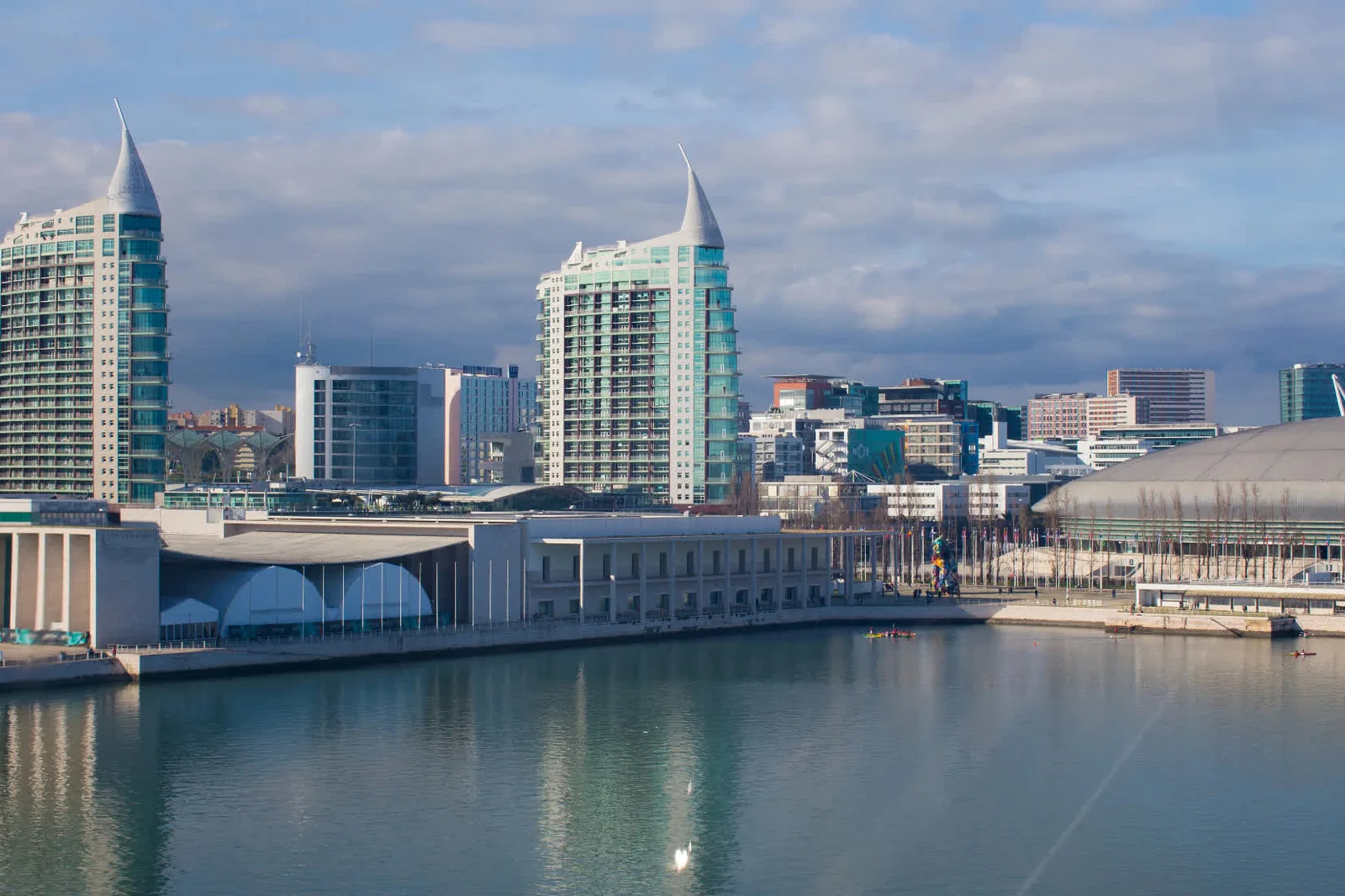
Each day below starts from Gare do Oriente, because that is where our guests start: the Riverside apartment is five minutes on foot from the station, and the metro puts you in Rossio in about twenty minutes, changing from the red to the green line at Alameda. People ask me whether Parque das Nações is too far from the centre. The distance on the map looks worse than the journey, and Oriente is one of the best-connected stations in the city, with the metro, the suburban trains and the airport line all under one roof.
Day 1: Baixa, Chiado and Alfama, ending on the miradouros
Morning. Take the metro to Rossio and walk uphill to the Convento do Carmo, the Gothic church that lost its roof in the 1755 earthquake and was never covered again. Its nave stands open to the sky, and the small archaeological museum at the end is worth the half hour. The Santa Justa lift next door has been closed since 2025, so you are not missing a ride: I prefer walking up to the Carmo anyway and enjoying the top end at a much calmer pace. From the Carmo it is two minutes to Chiado, where Lisbon still goes to the theatre and the old cafés.
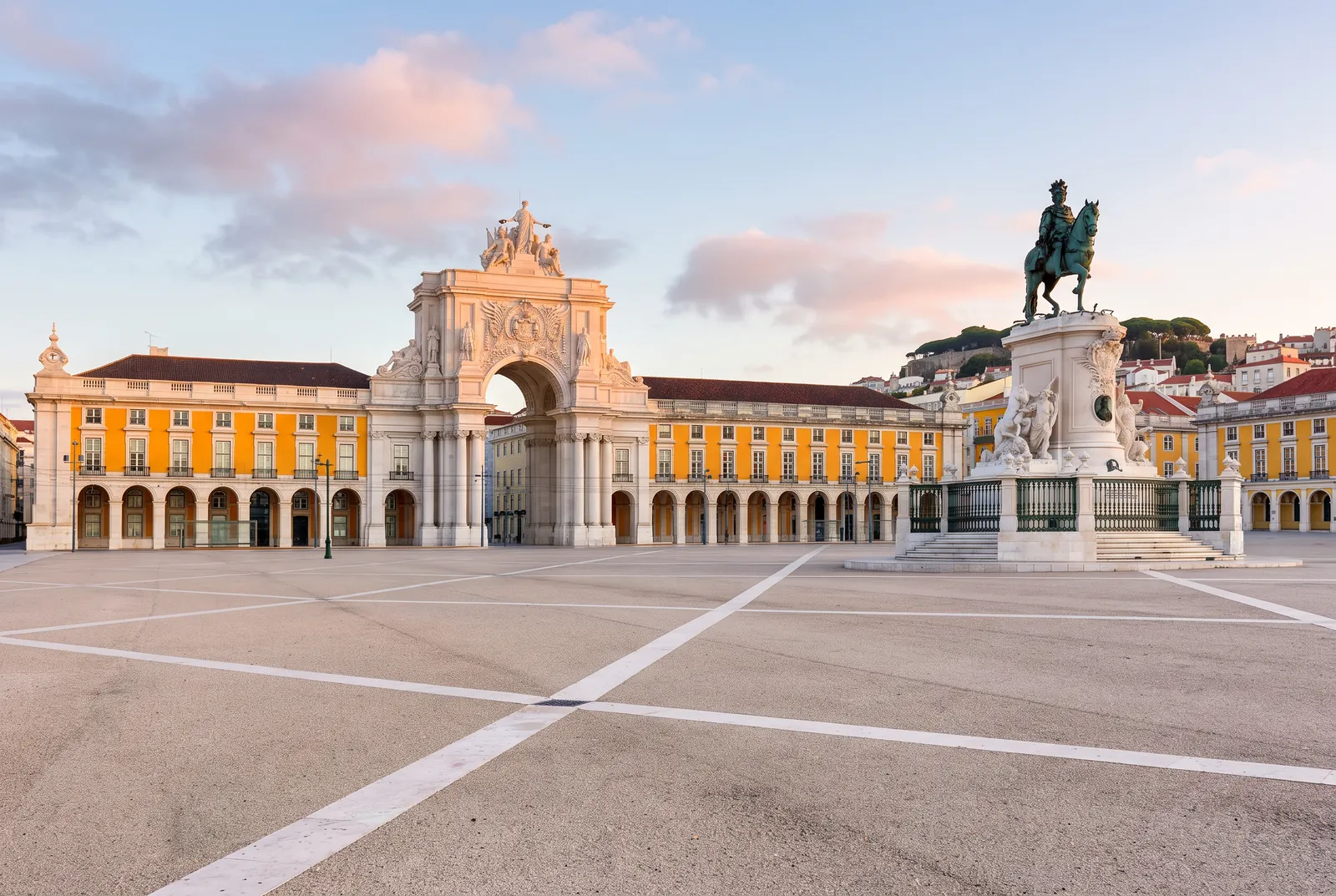
Then walk down through the grid of the Baixa, rebuilt in straight lines after the earthquake, to the river. Praça do Comércio is the square that tells you what the city was: a royal palace once stood here, the earthquake took it, and the arcades that replaced it face the Tagus as if the ships were still coming in. Walk to the edge, to the steps of the Cais das Colunas, before you go under the arch of Rua Augusta. Do not eat on Rua Augusta itself; the menus with photographs are priced for people who will never come back.
Midday. From the square, the Sé is about twelve minutes on foot, the last part uphill. The cathedral now charges visitors €7 for the upper choir, the balcony between the bell towers and the treasury, which is a fair price for the view down the nave from the choir. Lunch is easiest in the lanes behind it, where the menus are written on paper and change with the day.
Afternoon. The Castelo de São Jorge is about eleven minutes above the Sé. Give it an hour and a half: the walls, the towers and the shaded courtyard where the peacocks wander are the reason, more than the ruins themselves. Then come down into Alfama, and here is what I would tell a friend: do not follow the shortest route on your phone. Some of the most interesting streets in Alfama appear precisely when you stop trying to reach the next monument quickly.
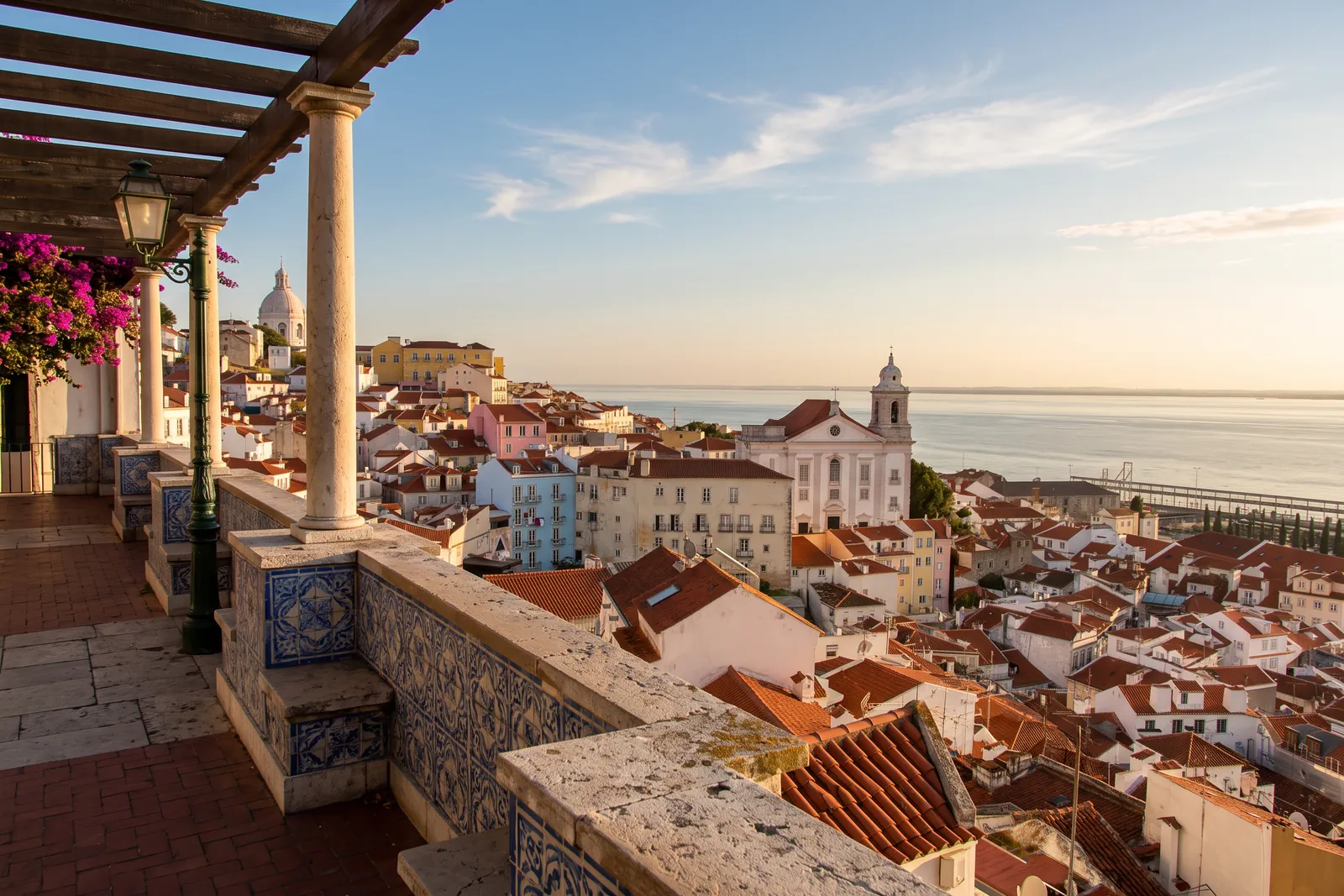
Late afternoon. Be at Santa Luzia and Portas do Sol when the light starts to drop. They are two minutes apart, both free, and at that hour the white houses and the river below turn the colour of the stone. If you still have legs, the Graça miradouro and the Senhora do Monte higher up face west and take the last of the sun.
Evening. On one of your three nights, have dinner in Alfama or Mouraria and stay for fado. Choose the house carefully: I would pick one where the singing does not feel like an assembly line for tourists, which usually means a small room, a set start time and nobody handing out flyers in the street. The touts with "fado tonight" signs near the Sé and on Rua Augusta are selling the opposite.
- Start: Rossio metro, about 20 minutes from Oriente on the red and green lines.
- On foot: Praça do Comércio to the Sé about 12 minutes, the Sé to the castle about 11, all of it uphill from the Baixa.
- Paid tickets: Convento do Carmo €7, Sé €7, Castelo de São Jorge €17 (prices as of October 2026).
- Closed: Carmo and Sé on Sundays; the castle only on 1 January, 1 May and 24, 25 and 31 December.
- Castle hours: 09:00 to 21:00 from March to October, 09:00 to 18:00 from November to February.
- Evening: fado in Alfama or Mouraria; the metro runs until about 01:00.
Day 2: Belém in the morning, the river in the afternoon
Early morning. Belém is the day to set an alarm. Arriving an hour earlier makes a real difference to the queues and to the number of tour groups around you. From Oriente, take the metro to Cais do Sodré, about half an hour with the change at Alameda, and the Cascais line train three stops to Belém, about eight minutes. Allow an hour door to door. Tram 15E is the slower, prettier alternative and stops right outside the monastery.
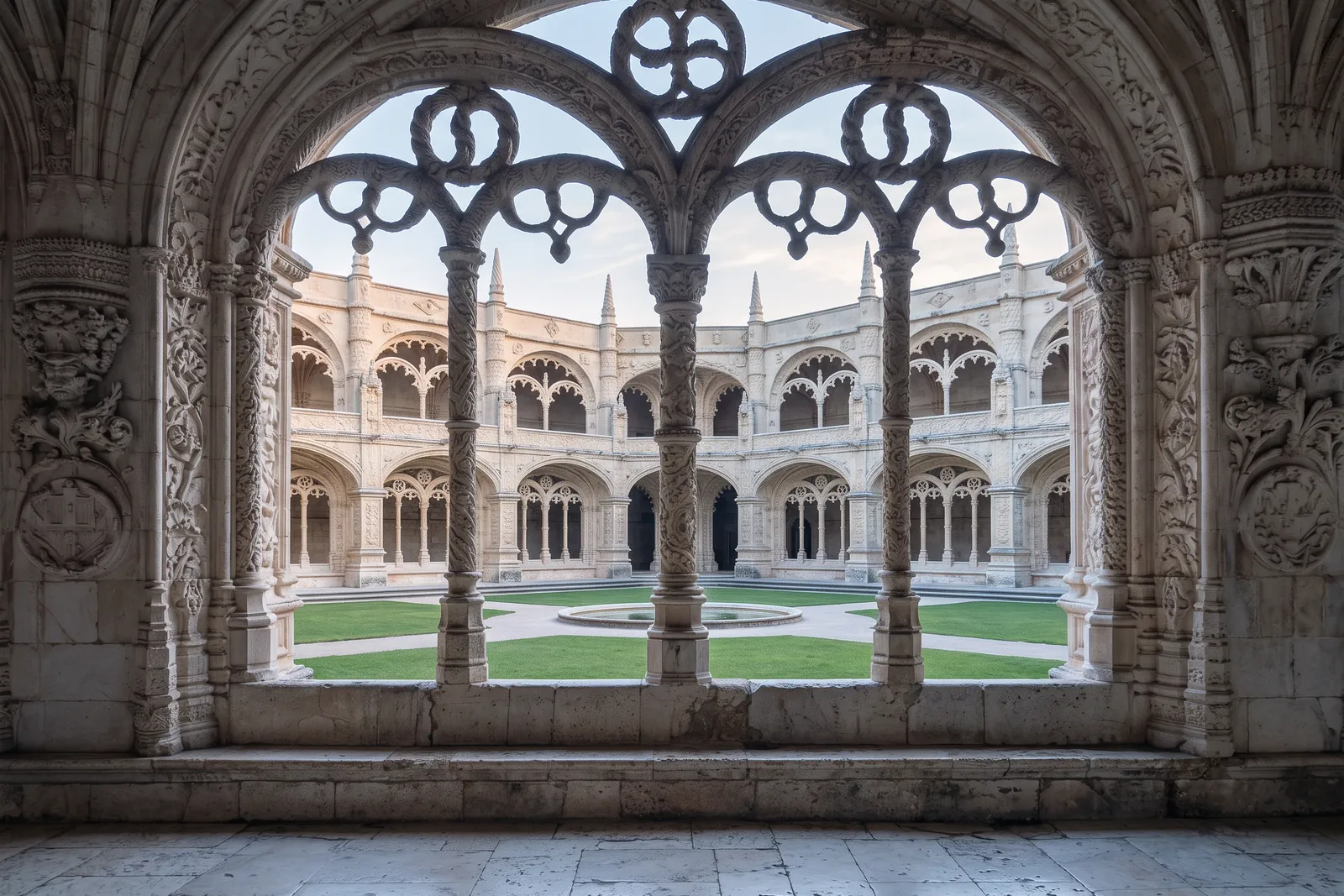
Morning. Start with the Mosteiro dos Jerónimos at 09:30, the first slot. The cloister costs €18 and is sold in hourly entry windows; the church next to it is free and opens at 10:30 from Tuesday to Saturday. Stone carved like lace, ropes and sea creatures worked into the columns: this is what Portugal built with the money from the spice route, and it reads best before the courtyard fills. Our Belém half-day guide has the tickets, the hours and a Monday plan.
The Torre de Belém is ten to fifteen minutes away on foot, by the water. It reopened in May 2026 after restoration and now works with half-hour entry slots, €15, last entry at 17:00. Book a slot about an hour and a half after your cloister slot and both fit without running. Tickets for both are on the official ticketing site; there is no ticket that combines the two.
Late morning. Pastéis de Belém opens at 08:00 every day. The queue on the pavement is for takeaway; walk past it, go inside and ask for a table, because the rooms behind seat hundreds and turn over fast. Cinnamon, yes; extra sugar, no. From there, walk down to the river to the Padrão dos Descobrimentos. The compass rose set into the pavement at its foot is free; the lift to the top, with the exhibition, is €10, and the view straight down onto the map is the reason to pay.
Afternoon. Follow the riverfront east. The MAAT, the museum of art, architecture and technology, is the white wave on the water, €16 inside and closed on Tuesdays, but its roof is the part people remember: a walkway above the river with the 25 de Abril bridge in front of you. From there you can take tram 15E back towards the centre and get off at Calvário for LX Factory, the old industrial complex under the bridge that is now bookshops, studios and restaurants. It is a better late afternoon than a morning, when half of it is still shut.
Evening. Two options, depending on your energy. Cross to Cacilhas on the ferry from Cais do Sodré, ten minutes on the water for €1.60 with zapping (€2 for a single ticket), and eat fish on the south bank looking back at the whole city lit up. Or go home early: the riverfront in Parque das Nações is flat and quiet at night, and after a Belém day that is not a small thing.
- Getting there: metro to Cais do Sodré, then the Cascais line to Belém, three stops; about an hour from Oriente.
- Paid tickets: Jerónimos cloister €18, Torre de Belém €15, Padrão €10, MAAT €16 (as of October 2026).
- Book ahead: the Jerónimos and tower slots, especially from Friday to Sunday.
- Closed: Jerónimos and the tower on Mondays; the MAAT on Tuesdays; the Padrão is open every day but a few holidays.
- Last entry: 17:00 at both the monastery and the tower.
- Evening: the Cacilhas ferry for dinner on the south bank, or back to the river in Parque das Nações.
Day 3: Príncipe Real, Estrela, Bairro Alto and Cais do Sodré
The third day is the one with no tickets to book, and that is the point. Two days of monuments show you Lisbon's history; this one shows you the neighbourhoods where it lives now, and it leaves time to simply walk.
Morning. Start at Estrela. The Basílica da Estrela, white and domed, faces the Jardim da Estrela, a garden with a bandstand, a duck pond and a kiosk where people from the neighbourhood have their first coffee. Tram 28 stops outside; ride it early, before 09:00, or not at all, because from mid-morning the queue at Martim Moniz can pass half an hour. Carris has replaced the western end of the line with buses several times in 2026, so check the route the week you travel.
Midday. Walk up towards Príncipe Real, the quiet, well-off quarter of independent shops, old palaces turned into concept stores and a square with a cedar so wide its branches are held up on a frame. It is a good place for lunch.
Afternoon. From Príncipe Real it is a short walk to the Miradouro de São Pedro de Alcântara, which looks across the Baixa to the castle you climbed on day 1. Below it is Bairro Alto, a grid of narrow streets that is half asleep in the afternoon and noisy after dark. Walk it now, in daylight, when you can see the tiled facades and the laundry instead of the crowd. Then drop down past Camões square and the Santa Catarina miradouro towards the river.
Evening. For a more relaxed night than fado, I prefer to have dinner in Chiado or Príncipe Real and then walk down to Cais do Sodré. The Time Out Market in the old Ribeira market hall is open until midnight and is convenient rather than memorable; Rua Nova do Carvalho, the street painted pink, is where the bars are. The last metro back to Oriente leaves around 01:00. For where to eat on each of the three days, see our Lisbon food and restaurant guide.
- Start: Estrela, by tram 28 early in the morning or by taxi.
- Paid tickets: none needed; the gardens and miradouros are free.
- Tram 28: before 09:00 or after 19:00; check Carris for the western section.
- Lunch: Príncipe Real.
- Evening: dinner in Chiado or Príncipe Real, then down to Cais do Sodré on foot.
Lisbon in 2 days, or Sintra and Lisbon in 3
With two days, keep day 1 as it is and merge the other two: Belém in the morning, then Chiado and the Carmo in the afternoon instead of the morning of day 1, and the evening in Cais do Sodré. You lose Príncipe Real and Estrela, and you lose the slack, but you keep the two days that explain the city.
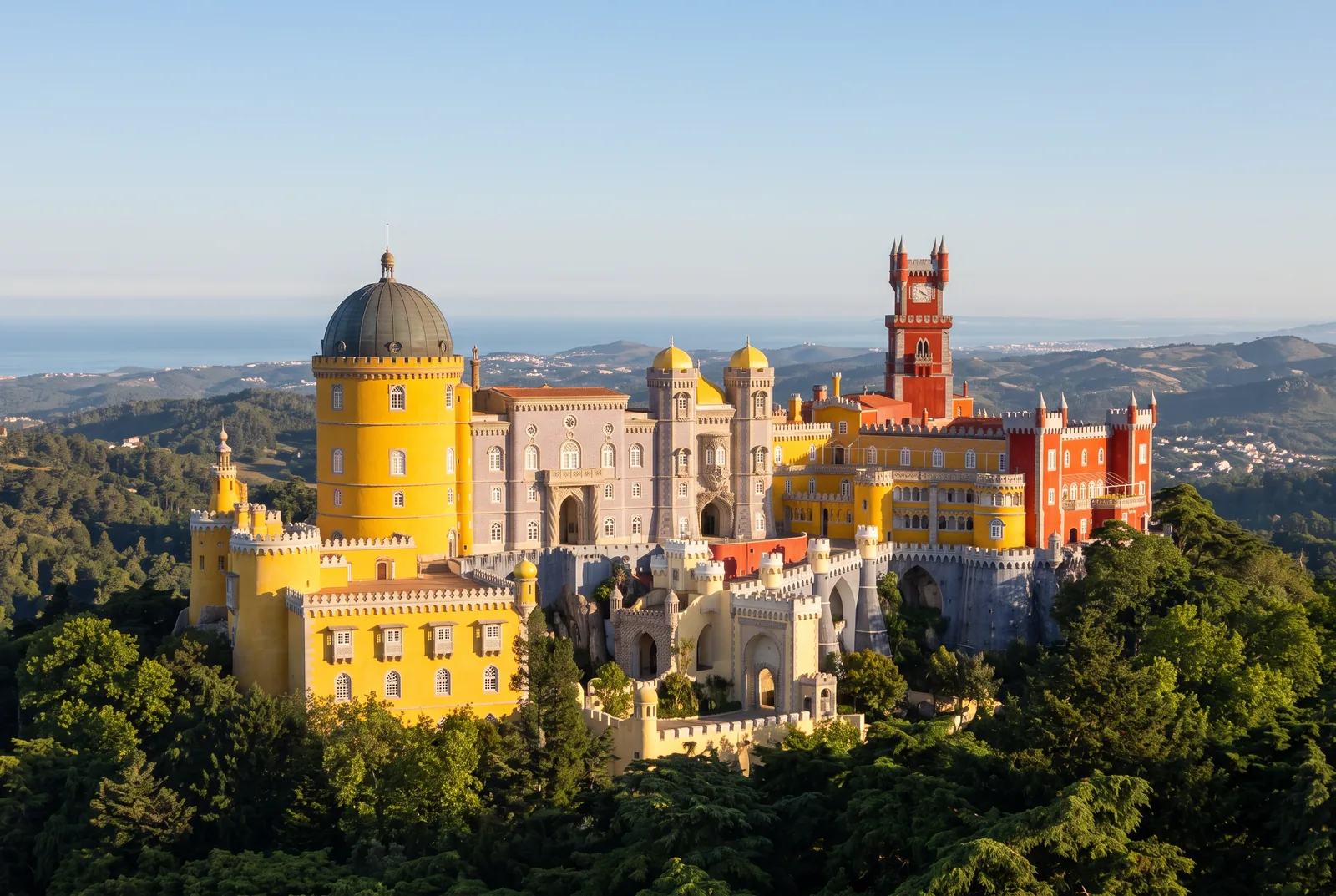
Another question I hear a lot is whether Sintra fits into three days. It does, and I always say it has a price: you are left with two days for Lisbon. In that case I would do a compact Baixa and Alfama day, a second day of Belém and Chiado, and give the third entirely to Sintra. I would not try to add Cascais on top. Sintra is a full day on its own, and half a day there means seeing the palaces through a queue.
- Day 1: Baixa and Alfama, compact: Praça do Comércio, the Sé, the castle, Santa Luzia at the end of the afternoon.
- Day 2: Belém in the morning, Chiado and the Carmo in the afternoon.
- Day 3: Sintra, all day.
- Train to Sintra: about 40 minutes from Rossio or 47 from Oriente; €2.55 each way, €5.10 return (as of October 2026).
- Skip: Cascais on the same trip, unless you add a day.
Everything you need for that day, from the train to which palaces fit, is in our Sintra day trip guide.
Lisbon in 4 days: Sintra, Cascais or more city
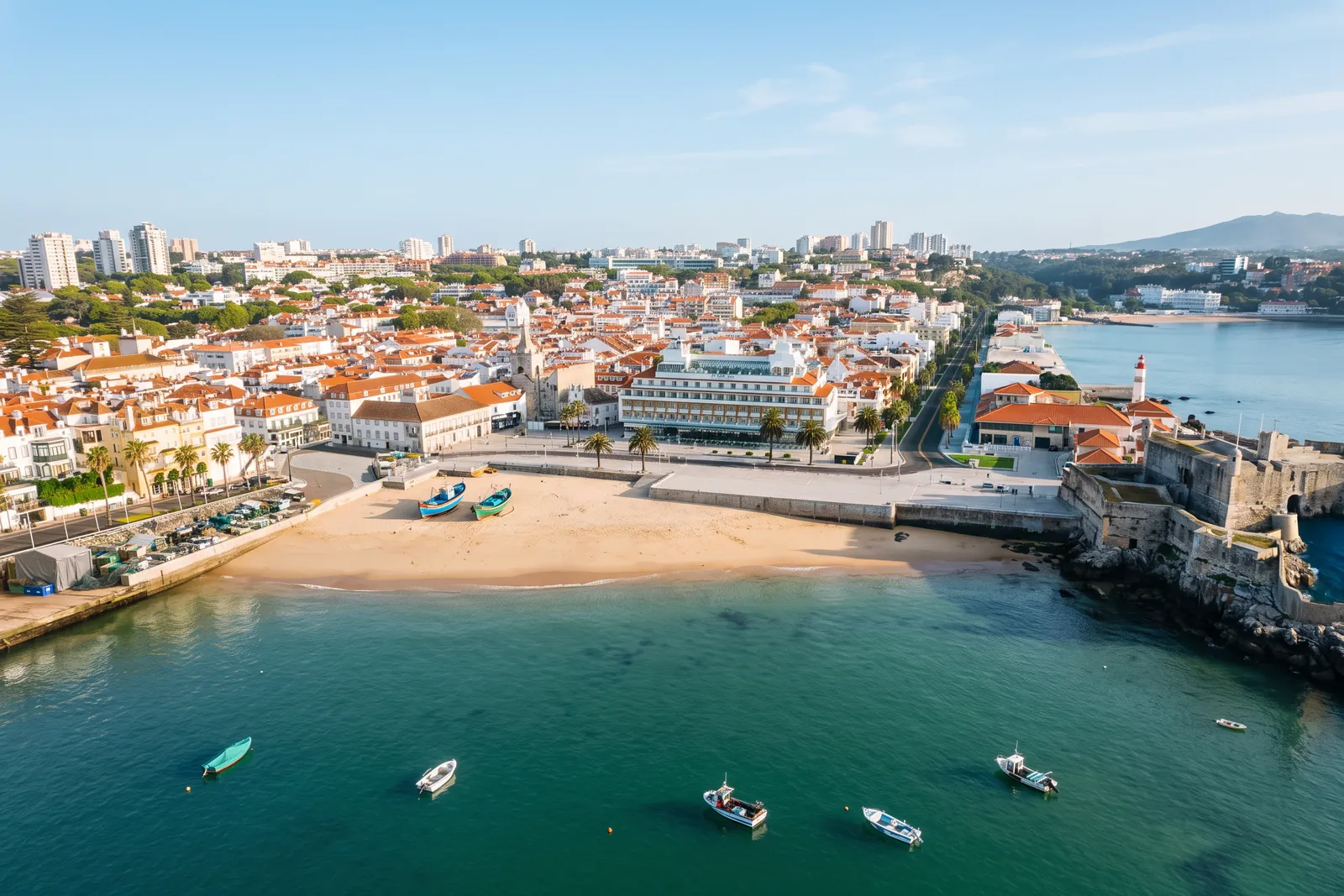
Four days is where Lisbon starts to feel like a place rather than a checklist, and it is the length I suggest when people ask. For a first trip, I would give the fourth day to Sintra. Cascais is lovely for a slower, more relaxed trip, with the train along the coast and the beaches at the end of the line; our Cascais guide has the details.
And if you would rather know the city better than see another town, stay. The Gulbenkian, a crossing to Cacilhas and an afternoon at LX Factory easily fill another full day.
- Sintra: the first choice for a first visit; a full day, from Rossio or Oriente by train.
- Cascais: the relaxed option, about 40 minutes by train from Cais do Sodré; €2.55 each way.
- The Gulbenkian: museum €16, open 10:00 to 18:00 (Saturday until 21:00), closed Tuesday; the garden is free.
- Cacilhas and Cristo Rei: ferry ten minutes from Cais do Sodré; the Cristo Rei terrace is €10, sold on site only.
- The beach: from May to September, a morning at Carcavelos or Caparica, see our Lisbon beaches guide.
There is also the afternoon you arrive or the one before you leave. From the Riverside apartment the Oceanário is ten minutes along the river; it is open every day until 20:00 and the tickets for the last entry window, from 16:00, are the cheapest of the day. The cable car runs along the water next to it, €9.50 return.
Getting around Lisbon in 3 days: tickets and the Lisboa Card
Buy a Navegante card at the first metro machine, €0.50 once, and load it. After that the choice is between paying per ride and buying a day ticket, and it depends on the day.
- Single ride: €1.90, or €1.72 with zapping (credit loaded on the Navegante).
- 24 hours, metro and Carris: €7.25; it pays for itself from the fifth ride.
- 24 hours with CP trains: €11.40, which covers the Cascais line to Belém and the trains to Sintra and Cascais.
- 24 hours with the Cacilhas ferry: €10.35.
- Tram 28 bought on board: €3.30, the most expensive way to ride it.
- Lisboa Card: €31 for 24 hours, €51 for 48, €62 for 72 (adults, valid until March 2027).
For this itinerary, zapping is the cheapest choice on all three days: even on the Belém day, the metro, the train, two tram rides and the metro home come to under €9, less than the €11.40 ticket with CP trains. All of that costs far less than a 72 hour Lisboa Card.
The card only really pays off when you concentrate several paid monuments and transport on the same day: the castle, Jerónimos and the tower, plus a train to Sintra or Cascais, inside 24 or 48 hours. If that is your plan, buy it; if your days are mostly walking and free viewpoints, it is not. One catch: with the card, the tower and monastery slots can only be booked once you have exchanged the voucher for the physical card.
Taxis and ride-hailing are cheap by European standards, roughly €8 to €16 from the centre to Belém, and more on a rainy Friday night. Our Lisbon neighbourhood guide has the full picture of the metro lines and travel times between areas.
What to skip on a short stay
Three days go fast, and some of the things on every list cost more time than they give back right now.
- The funiculars and the Santa Justa lift: the Glória has been out of service since the accident of 3 September 2025 and is expected back in 2029; the Bica and the Lavra are stopped too; the Santa Justa lift is closed with no date. Only the Graça funicular is running again.
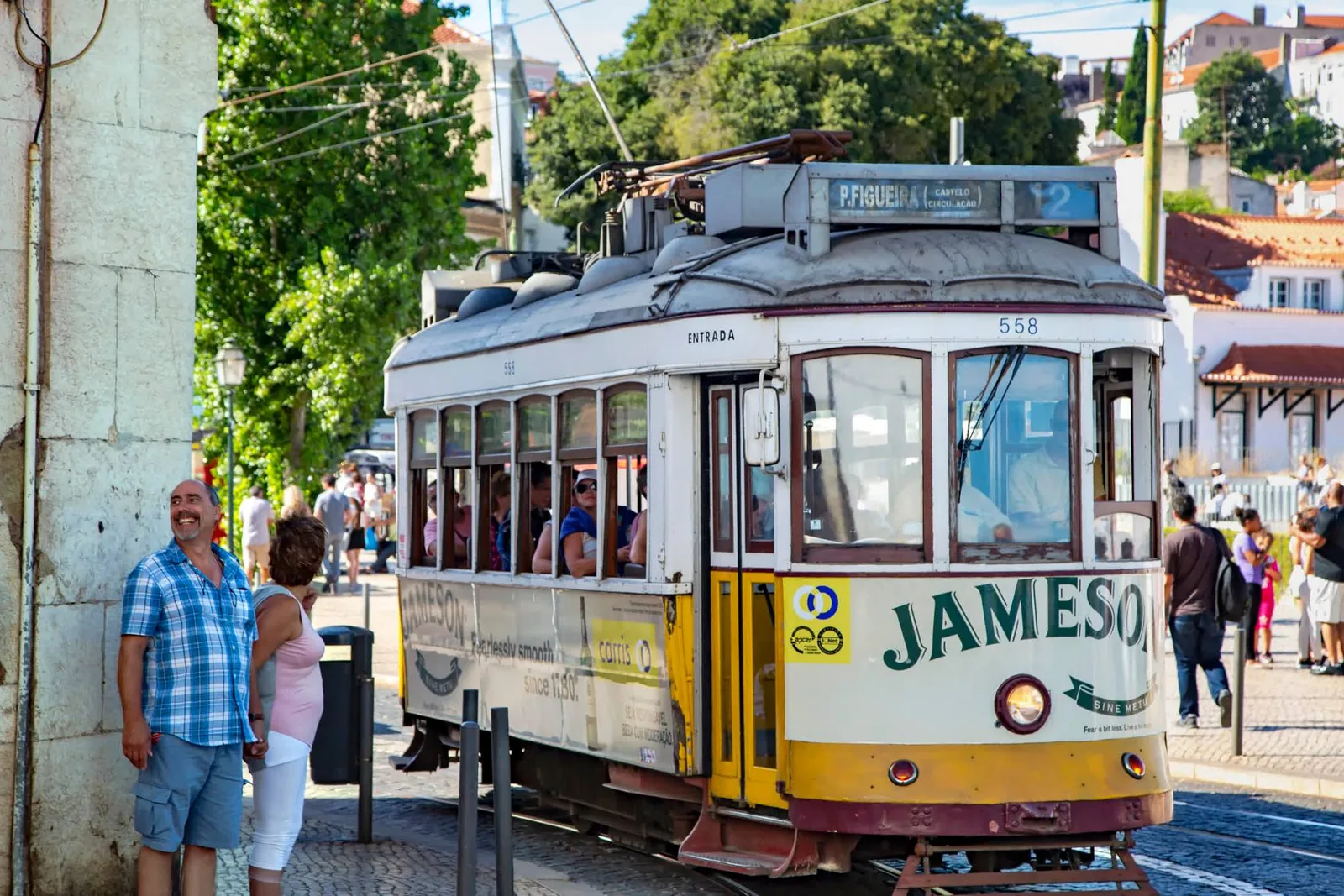
- Tram 28 in the middle of the day: long queues at Martim Moniz and pickpockets on board between the Sé and Portas do Sol. Ride early, or walk; the stretch it covers in Alfama is short.
- The Museu do Azulejo: closed for works since November 2025, with no reopening date.
- Restaurants on Rua Augusta and the waterfront of Praça do Comércio: look at the square, then eat two streets away.
- Fado sold on the street: a flyer and a set menu are not the same thing as a fado house.
- Sintra in half a day: a full day or not at all.
If it rains, swap days rather than cancel them. The Gulbenkian, the MAAT and the Oceanário are all indoors, and the Jerónimos cloister is covered. The miradouros and Bairro Alto can wait for the next dry afternoon; in winter there usually is one.
Lisbon in 3 days: your questions answered
Is 3 days enough in Lisbon?
For a first look, yes: three days covers the old centre and Alfama, Belém and one slower day in Príncipe Real, Estrela and Bairro Alto. It is not enough to add Sintra without dropping one of those. Four days is a very good minimum if you want Sintra too.
Is the Lisboa Card worth it for 3 days?
Only if you stack paid monuments and transport on the same days. For this itinerary, with most of day 1 and all of day 3 on foot, zapping on all three days comes out much cheaper than the €62 card.
Can you do Sintra and Lisbon in 3 days?
Yes, at the cost of one Lisbon day: a compact Baixa and Alfama day, a Belém and Chiado day, and Sintra on the third. Do not try to fit Cascais in as well.
What is closed on Mondays in Lisbon?
The Torre de Belém, the Mosteiro dos Jerónimos and the Panteão Nacional. The castle, the Sé, the Carmo, the MAAT, the Gulbenkian and the Oceanário are open, so Monday is a good day for the centre and a bad one for Belém.
Are the Lisbon funiculars running?
As of October 2026, only the Graça funicular. The Glória, the Bica and the Lavra are out of service after the accident of September 2025, and the Santa Justa lift is closed with no reopening date.
Where should I stay for 3 days in Lisbon?
Somewhere close to a metro station, because every day of this plan starts on the metro. Parque das Nações is about twenty minutes from Rossio, flat and quiet at night; Baixa and Chiado put you on foot from day 1 but are noisier and more expensive.
Where to stay for three days in Lisbon
Three days in Lisbon go further from a base where getting in and out is easy and the nights are quiet. Our Riverside apartment in Parque das Nações is five minutes on foot from Oriente, with the centre about twenty minutes away by metro and the Oceanário ten minutes along the river. For other options, the neighbourhood guide compares every area, and our Lisbon page and the Superior Rentals home page have the rest.
Related topics: Viewpoints, Attractions